
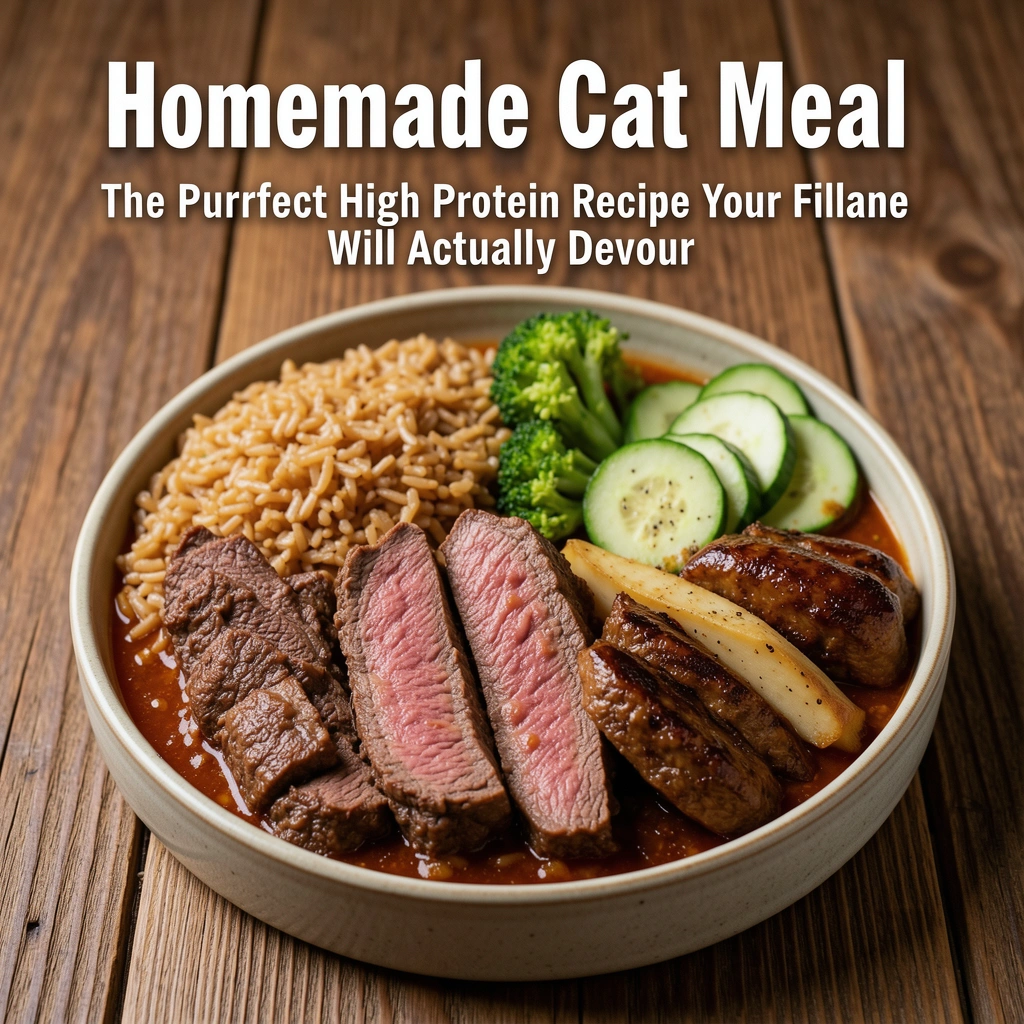
Hey friends, if you’re like me, you want the best for your feline friend, especially when it comes to their meals. I’ve spent years researching and testing recipes to find a homemade cat meal with beef that’s not only nutritious but also something your kitty will truly enjoy. In this article, I’ll share everything you need to know to make a delicious, high-protein beef dish that’s perfect for your cat’s health and taste buds.
So how do you make a homemade cat meal with beef that’s both safe and nutritious? Simply put, a balanced homemade cat meal with beef includes lean beef, essential vitamins, minerals, and fats in the right proportions tailored to feline dietary needs. This ensures your cat gets high-quality protein, taurine, and other nutrients necessary for optimal health.
Keep reading to discover detailed recipes, ingredient tips, and important safety guidelines that will help you prepare a meal your cat will actually devour, plus answers to common questions about homemade cat food with beef.
Why Choose Homemade Cat Food With Beef?
Making homemade cat food with beef is a fantastic way to control exactly what your feline eats. Commercial cat foods often include fillers, preservatives, and by-products that may not be ideal for your cat’s health. With homemade meals, you can prioritize fresh, high-quality ingredients tailored to your cat’s unique dietary needs.
Beef is an excellent source of high-quality protein, essential amino acids like taurine, and important vitamins such as B12 and iron, which support your cat’s muscle development, vision, and overall vitality. Moreover, preparing meals at home allows you to avoid common allergens or additives that might upset your cat’s stomach.
When designing your homemade beef meal, it’s important to balance protein with fats and vital nutrients that cats require. Since cats are obligate carnivores, a beef-based recipe aligns perfectly with their natural diet, making it highly digestible and satisfying.
Understanding Your Cat’s Nutritional Needs
Cats have very specific nutritional requirements that differ from many other pets. They require:
- High protein intake: Cats need at least 26-30% protein in their diet.
- Taurine: An essential amino acid found naturally in meat but absent in many plant-based foods.
- Fat: Provides energy and supports skin and coat health.
- Vitamins and minerals: Especially vitamin A, B vitamins, calcium, and phosphorus.
A homemade beef meal must be carefully balanced to meet these needs. Too much protein without enough fat or calcium can cause health issues, while missing taurine can lead to serious heart and eye problems.
In this article, I’ll also cover how to supplement your homemade cat food to ensure it’s complete and balanced.
What You’ll Learn About Homemade Beef Meals for Cats
By the end of this article, you’ll have a clear understanding of how to prepare a homemade cat meal with beef that’s safe, nutritious, and delicious. We’ll explore ingredient selection, recipe variations, supplementation tips, and safety precautions. Whether you’re a first-time homemade cat food cook or looking to improve your current recipe, these insights will help you feel confident in nourishing your feline friend.
The Basics of Making Homemade Cat Food With Beef
Before jumping into recipes, let’s chat about the foundation of a good homemade cat meal with beef. It’s not just about throwing some ground beef in a bowl; it’s about understanding the balance of ingredients that keep cats thriving.
Ingredient Selection and Quality
When choosing beef for your cat’s meal, opt for lean cuts like ground beef with about 80-90% lean content. Avoid processed beef products that contain additives, spices, or preservatives. Freshness is key — always use fresh or properly thawed beef.
Cats need more than just muscle meat. Including organ meats like liver is crucial because they provide essential vitamins and taurine. You can buy beef liver separately or from a trusted butcher.
Balancing Nutrients
Cats need calcium, which is often added by including finely ground eggshell or a calcium supplement. A typical homemade recipe combines beef, liver, a source of fat, and a calcium source to mimic the nutritional profile of a cat’s natural diet.
Avoiding Common Pitfalls
- No onions or garlic: These are toxic to cats.
- No seasoning or spices: Cats don’t need these and they can upset their stomachs.
- Avoid bones unless ground finely: Large bones can splinter and cause harm.
By following these principles, you’ll create a solid base for your homemade cat meal with beef.
High Protein Beef & Liver Cat Food Recipe
This recipe is a great starting point for a homemade beef meal that’s packed with protein and essential nutrients.
Ingredients:
- 1 lb lean ground beef (80-90% lean)
- 3 oz beef liver, finely chopped
- 1 large egg (including shell, ground finely)
- 1 tsp fish oil (for omega-3 fatty acids)
- 1/4 tsp taurine supplement (optional but recommended)
- 1/8 tsp vitamin E supplement (optional)
- Water as needed for consistency
Why This Recipe Works
This recipe mirrors a natural feline diet with muscle meat and organ meat. Beef provides high-quality protein and iron, liver delivers vitamins A and taurine, and the egg shell supplies calcium. Fish oil adds essential omega-3 fats for coat and brain health.
Practical Tip
Grind the egg shell to a very fine powder before adding it. This ensures your cat can digest the calcium properly. You can use a clean coffee grinder or mortar and pestle.
How This Recipe Benefits Your Cat
Cats fed this meal get balanced nutrition that supports muscle maintenance, healthy vision, strong bones, and a shiny coat. It’s also highly palatable, so picky cats usually devour it eagerly.
Beef & Pumpkin Cat Meal: A Fiber Boost
Adding pumpkin to your beef recipe is an excellent way to provide fiber that supports digestion without compromising on protein.
Ingredients:
- 1 lb lean ground beef
- 2 oz beef liver, finely chopped
- 2 tbsp pure canned pumpkin (no added sugar or spices)
- 1 large egg with ground shell
- 1 tsp fish oil
- Taurine and vitamin supplements as above
Health Benefits of Pumpkin
Pumpkin is rich in soluble fiber, which helps regulate your cat’s digestive system and can prevent constipation or diarrhea. It’s also low in calories and packed with vitamins A and C.
Tip for Implementation
Start with small amounts of pumpkin (1 teaspoon) and gradually increase to prevent any digestive upset. Always make sure the pumpkin is plain and not pie filling.
Suitability
This recipe suits cats with sensitive stomachs or those needing a bit more digestive support. It’s a great option for cats transitioning from commercial food to homemade meals.
Raw Beef Cat Food: Pros and Cons
Feeding raw beef is gaining popularity, but it’s important to understand the benefits and risks.
Why Raw Beef?
Raw meat preserves natural enzymes and nutrients that can be lost during cooking. Some cats prefer the taste and texture of raw food, which can improve appetite and hydration.
Considerations
- Risk of bacterial contamination (Salmonella, E. coli).
- Requires strict hygiene and sourcing from reputable suppliers.
- Must be properly balanced with organ meat, bone, and supplements.
Practical Safety Tip
If feeding raw, freeze the meat for at least 3 days to kill parasites. Always wash your hands and utensils thoroughly after handling raw meat.
Ideal For
Experienced pet parents who have researched raw diets extensively and are committed to strict preparation standards.
Supplementing Your Homemade Beef Cat Food
No homemade cat food is complete without proper supplementation. Cats require nutrients that are hard to replicate precisely at home.
Essential Supplements:
- Taurine: Critical for heart and eye health.
- Calcium: Usually from ground eggshell or commercial supplements.
- Vitamin E: Antioxidant support.
- Fish oil: Omega-3 fatty acids for coat and brain.
How to Add Supplements:
Mix powders or oils into the food just before serving. Consult your vet for exact dosages based on your cat’s weight and health status.
Avoiding Nutritional Deficiencies in Homemade Cat Food
One big gap in many homemade recipes is the risk of nutrient imbalance. Cats need a delicate balance of nutrients that can be tricky to get right without professional guidance.
Common Deficiencies:
- Taurine deficiency leading to heart disease.
- Calcium/phosphorus imbalance causing bone problems.
- Lack of vitamin A affecting vision and immunity.
How to Prevent Deficiencies:
- Use high-quality organ meats regularly.
- Add recommended supplements.
- Rotate meats to provide diverse nutrients.
- Consult a veterinary nutritionist if possible.
How to Transition Your Cat to Homemade Beef Meals
Cats can be finicky, so switching diets might take time.
Tips for a Smooth Transition:
- Mix homemade food with their current diet gradually over 7-10 days.
- Warm the food slightly to enhance aroma.
- Offer small portions frequently.
- Stay consistent and patient.
Storage and Safety Tips for Homemade Cat Food
Keeping homemade cat food safe is essential to prevent spoilage or illness.
Best Practices:
- Store food in airtight containers in the fridge for up to 3 days.
- Freeze portions for up to 2 weeks.
- Thaw frozen food in the fridge, not at room temperature.
- Discard any food left out over 2 hours.
Frequently Asked Questions About Homemade Beef Cat Meals
Q: Can I use other meats instead of beef?
A: Yes, but beef is a great starter protein. Chicken, turkey, or fish can be rotated for variety.
Q: How often should I feed homemade meals?
A: Ideally, twice daily to mimic natural feeding patterns.
Q: Can I add vegetables to the recipe?
A: Cats have limited ability to digest veggies. Small amounts of pumpkin or carrot are okay.
Final Thoughts on Homemade Cat Meals With Beef
Making a homemade cat meal with beef is a rewarding way to ensure your feline friend eats fresh, nutritious food tailored to their needs. By carefully selecting ingredients, balancing nutrients, and adding essential supplements, you can create a meal your cat will love and thrive on.
Remember, always consult your veterinarian before making major diet changes. Homemade meals are an excellent way to enhance your cat’s health, but they require diligence and knowledge.
Thanks for joining me on this journey to better feline nutrition. Your cat’s health and happiness are worth every effort!
Homemade cat meal with beef is the purrfect high protein recipe your feline will actually devour.