
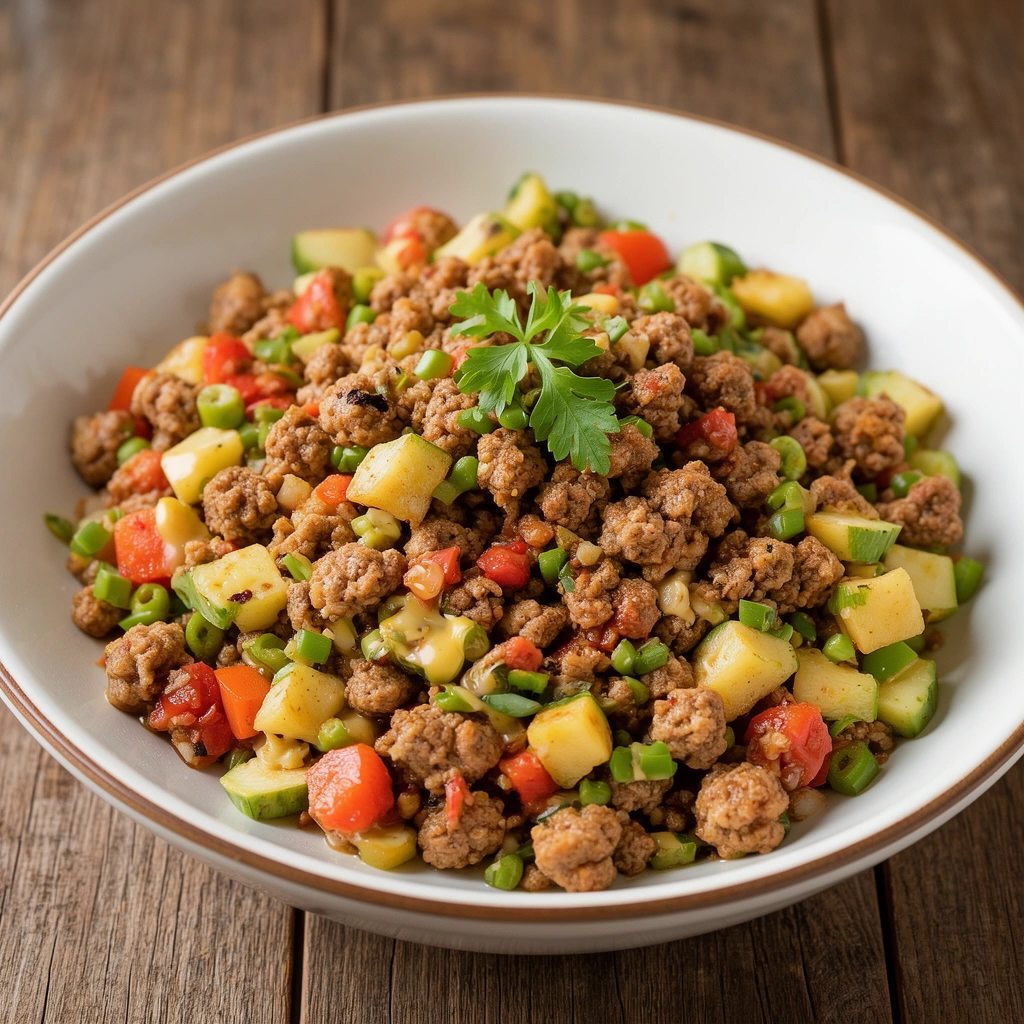
When it comes to feeding our furry friends, I know how important it is to get the nutrition just right. Over the years, I’ve researched and experimented with dog food recipes that are not only healthy but also convenient for busy pet parents. I’m confident that this guide will provide you with the clearest, most reliable information on homemade dog food recipes that you can freeze for later.
So, what are homemade dog food recipes you can freeze? These are carefully balanced meals prepared with wholesome ingredients that can be stored in the freezer to maintain freshness and nutritional value. Freezing homemade dog food helps save time, reduces waste, and ensures your dog always has a tasty, healthy meal ready to go.
Keep reading, and I’ll walk you through a variety of recipes, tips on freezing, ingredient choices, and how to customize meals for your dog’s unique needs. Whether you’re a beginner or looking to expand your homemade dog food repertoire, this article has you covered.
Why Freeze Homemade Dog Food?
Freezing homemade dog food is a game-changer for pet owners who want to provide nutritious meals without cooking daily. By preparing in bulk and freezing portions, you can:
- Save time during hectic weeks
- Maintain the nutritional integrity of the food
- Avoid preservatives and fillers found in commercial dog food
- Control ingredients to suit your dog’s dietary needs or allergies
Freezing also helps reduce spoilage and waste, ensuring that every batch you make is used efficiently and safely.
Now, let’s get into the delicious and healthy dog food recipes you can freeze!
Balanced Beef and Vegetable Medley
This recipe blends lean ground beef with nutrient-rich vegetables to create a balanced, protein-packed meal.
Why it works: Beef is a great protein source that supports muscle health, while veggies like carrots and green beans provide fiber and vitamins for digestion and immunity.
Ingredients:
- 2 pounds lean ground beef
- 1 cup chopped carrots
- 1 cup chopped green beans
- 1 cup cooked brown rice
- 1 tablespoon olive oil
- 1/2 cup peas (optional)
Health Benefits:
- Protein supports muscle repair and energy
- Fiber aids digestion and bowel regularity
- Antioxidants strengthen the immune system
Tips for success:
- Use lean beef to avoid excess fat calories.
- Steam or boil veggies instead of frying to preserve nutrients.
- Portion meals into airtight containers or freezer bags for easy thawing.
This recipe suits dogs of all sizes and can be adapted by swapping brown rice for quinoa or sweet potatoes for variety.
Chicken, Sweet Potato, and Spinach Bowl
Chicken is a lean protein that many dogs find easy to digest, making this recipe ideal for sensitive stomachs.
Why it works: Sweet potatoes are a great source of complex carbohydrates and beta-carotene, while spinach adds iron and vitamins.
Ingredients:
- 2 pounds boneless, skinless chicken breasts
- 2 cups cooked sweet potatoes, mashed
- 1 cup chopped spinach
- 1 cup cooked quinoa
- 1 tablespoon coconut oil
Health Benefits:
- Lean protein supports muscle maintenance
- Sweet potatoes provide sustained energy and digestive health
- Spinach boosts blood health and antioxidants
Practical tip:
Cook chicken thoroughly and shred it into bite-sized pieces before mixing. Make sure sweet potatoes are soft to aid digestion. Coconut oil adds healthy fats and supports skin and coat health.
This recipe is perfect for dogs needing a gentle diet or those with food sensitivities.
Turkey and Pumpkin Delight
This recipe combines lean turkey with pumpkin, a digestive superfood.
Why it works: Turkey is a low-fat protein, and pumpkin assists with both diarrhea and constipation thanks to its fiber content.
Ingredients:
- 2 pounds ground turkey
- 1 cup pure pumpkin puree (not pumpkin pie filling)
- 1 cup cooked barley or oats
- 1/2 cup chopped zucchini
- 1 tablespoon fish oil (optional)
Health Benefits:
- Turkey aids lean muscle growth
- Pumpkin regulates digestion and soothes the gut
- Barley adds fiber and B vitamins
Pro tip:
Avoid seasoning or adding salt. Always use plain pumpkin puree to prevent harmful spices or sugars. Fish oil is optional but great for omega-3 fatty acids.
This recipe is great for dogs with digestive issues or weight management goals.
Fish and Brown Rice Mix
Fish is an excellent protein source packed with omega-3 fatty acids to promote brain and coat health.
Why it works: Combining fish with brown rice creates a balanced meal that’s easy on digestion and supports overall wellness.
Ingredients:
- 2 pounds white fish (cod, haddock, or tilapia), cooked and flaked
- 1.5 cups cooked brown rice
- 1 cup cooked peas
- 1 cup chopped carrots
- 1 tablespoon flaxseed oil
Health Benefits:
- Omega-3s reduce inflammation and improve skin
- Brown rice provides digestible carbs and fiber
- Vegetables add vitamins and antioxidants
Freezing tip:
Cool the fish thoroughly before mixing to avoid texture changes. Store in small portions to defrost quickly without losing freshness.
This recipe suits dogs with allergies to common proteins like beef or chicken.
Lamb and Vegetable Stew
Lamb is a novel protein that’s great for dogs with allergies or food sensitivities.
Why it works: The combination of lamb and seasonal vegetables offers a nutrient-rich, flavorful meal.
Ingredients:
- 2 pounds ground lamb
- 1 cup chopped carrots
- 1 cup chopped green beans
- 1 cup cooked sweet potatoes
- 1/2 cup cooked quinoa
- 1 tablespoon olive oil
Health Benefits:
- Lamb supports muscle growth and repair
- Vegetables provide essential vitamins and minerals
- Sweet potatoes aid energy and digestion
Preparation tip:
Cook lamb thoroughly and drain excess fat if necessary. Mix ingredients while warm and portion into freezer-safe containers.
This recipe complements dogs requiring a change from common proteins or those with sensitive digestion.
Tips for Freezing Homemade Dog Food
Freezing dog food is simple but doing it right preserves nutrients and flavor:
- Use airtight containers or heavy-duty freezer bags labeled with dates.
- Cool food completely before freezing to avoid ice crystals.
- Portion meals based on your dog’s daily intake for easy thawing.
- Thaw in the refrigerator overnight; avoid microwaving as it can create hot spots.
- Use frozen meals within 2-3 months for best quality.
By following these steps, you’ll keep your dog’s meals fresh and safe.
Understanding Nutritional Balance in Homemade Dog Food
One gap I noticed in many homemade recipes is the lack of emphasis on nutritional balance. Dogs need a mix of:
- Proteins: For muscle repair and energy
- Carbohydrates: For digestible energy
- Fats: For skin, coat, and brain health
- Vitamins & Minerals: For overall body function
- Fiber: For digestive health
Including diverse ingredients like lean meats, grains or starchy veggies, healthy oils, and colorful vegetables ensures your dog gets complete nutrition. Supplementing with vitamins or minerals may be necessary, especially if you feed homemade food long-term, so consulting your vet is highly recommended.
How to Customize Recipes for Your Dog’s Needs
Every dog is different. Some have allergies, sensitivities, or specific health conditions like obesity or kidney disease. Here’s how you can tweak these recipes:
- Allergies: Swap common proteins like beef or chicken for lamb, turkey, or fish.
- Weight control: Use lean meats, reduce fats, and increase fibrous veggies.
- Sensitive stomach: Avoid grains and opt for sweet potatoes or pumpkin.
- Puppies: Add extra protein and fat for growth.
- Senior dogs: Include joint-supporting ingredients like fish oil or glucosamine.
Always consult your vet before making significant dietary changes.
Storage and Serving Best Practices
To maximize benefits of homemade frozen dog food:
- Serve at room temperature to prevent tummy upset.
- Mix frozen meals with fresh veggies or broth for variety.
- Monitor your dog’s weight and energy to adjust portions.
- Keep a feeding schedule consistent to maintain digestive health.
These little practices enhance your dog’s eating experience and health.
Final Thoughts on Homemade Dog Food Recipes You Can Freeze
Creating homemade dog food recipes you can freeze is a practical and healthy solution for busy dog owners. By preparing nutrient-rich meals ahead of time, you ensure your dog enjoys fresh, balanced nutrition every day. Recipes like Beef and Vegetable Medley or Chicken and Sweet Potato Bowl provide excellent templates that you can customize to your dog’s unique needs.
Freezing properly and understanding your dog’s dietary requirements are key. With these insights and recipes, you’re well-equipped to take control of your dog’s diet and health.
Remember, homemade dog food recipes you can freeze are a smart way to give your dog the best without the daily hassle. Ready to start cooking?
Thanks for sticking with me! I hope these recipes and tips inspire you to try homemade dog food for your furry friend. Feel free to experiment with ingredients and share what works best for your dog’s happiness and health. Happy cooking!