
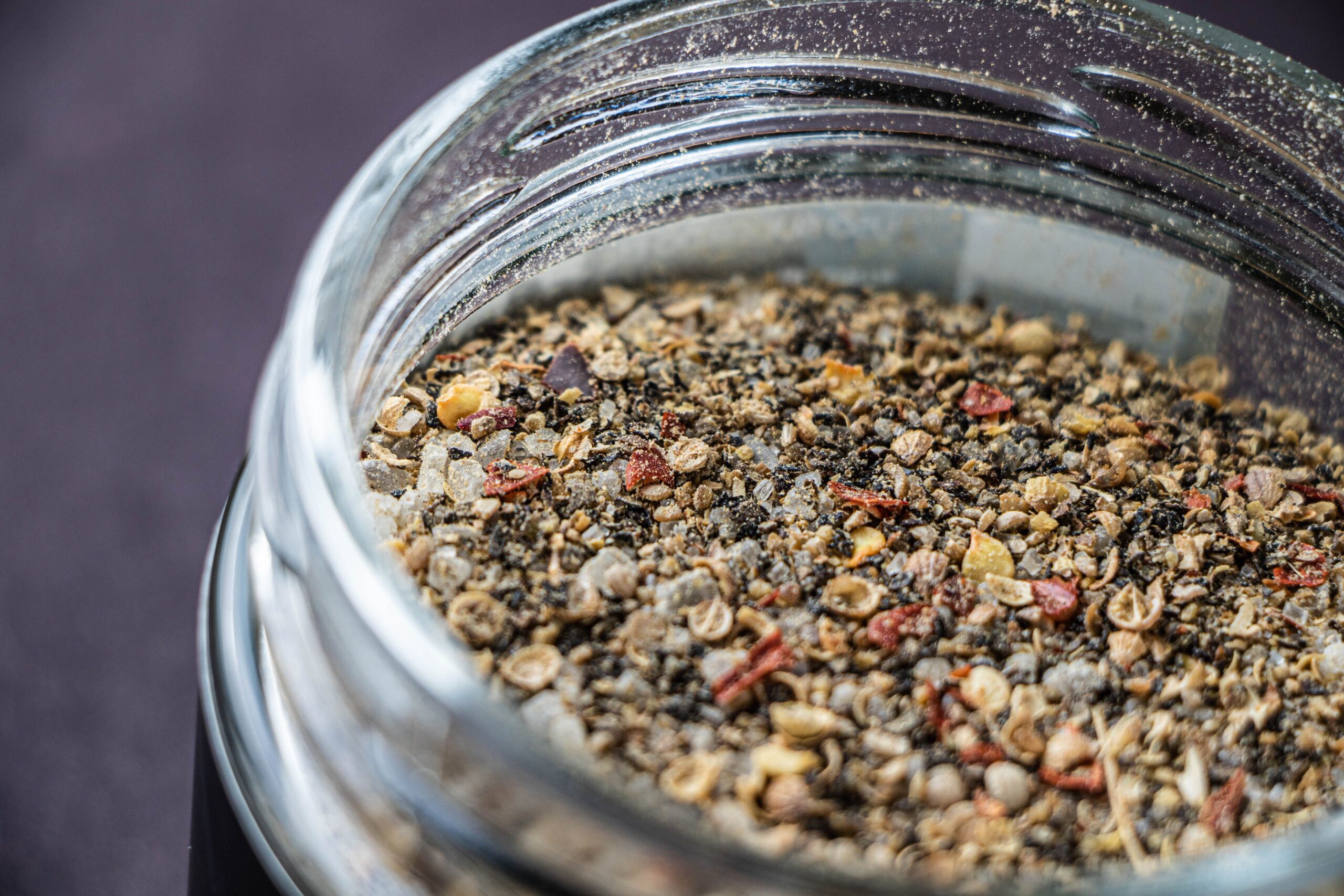
Ever watched your dog sniff their bowl, give you that sad puppy-eye look, then walk away without eating? I’ve been there. That’s exactly why I started making a homemade dog food seasoning recipe that turns boring kibble into something my dog actually gets excited about. No weird chemicals. No mystery ingredients. Just simple, dog-safe flavor that works.
I dug through a bunch of articles on this topic before writing my own, and honestly? Most of them skip the important stuff. They’ll give you a basic mix of herbs and call it done. But they don’t talk about which spices are dangerous, how long the seasoning actually lasts, how to adjust it for dogs with health issues, or what to do if your dog has allergies. That’s a problem. So I’m fixing it here.
What I’m Making: A Safe, Tasty Dog Food Seasoning Blend
Let’s talk about what this actually is. I’m creating a dry seasoning blend—kind of like a spice rub, but made entirely from dog-safe ingredients. You sprinkle it over your dog’s regular food, wet or dry, and it adds flavor, aroma, and even some nutritional perks depending on what you toss in.
This isn’t a treat. It’s not a meal replacement either. Think of it as a flavor enhancer, the same way you’d use seasoning on your own food to make it less bland. The difference is every single ingredient has to be checked for dog safety first. Some spices that are totally fine for us can be harmful, even toxic, for dogs.
I like this recipe because it’s cheap, it takes ten minutes to make, and it stores well. Plus, you control exactly what goes into your dog’s bowl. No fillers. No preservatives. No mystery “natural flavoring” that could mean almost anything.
Key Terms You Should Know
Before jumping into the recipe, let’s clear up a few terms. This helps you understand why certain ingredients made the cut and others didn’t.
Bioavailable
: This means a nutrient is in a form your dog’s body can actually absorb and use. Not all nutrients are created equal.
Anti-inflammatory herb
: A plant-based ingredient that may help reduce inflammation in the body. Turmeric is a common example used in dog seasoning blends.
Toxic threshold
: The amount of a substance that becomes harmful. Some ingredients are fine in tiny amounts but dangerous in larger quantities.
Filler
: An ingredient added to bulk up a product without adding nutritional value. Commercial seasoning blends often use these.
Palatability
: How appealing food tastes or smells to your dog. This is the whole point of a seasoning blend.
Ingredients You’ll Need
Here’s what goes into my basic homemade dog food seasoning recipe. I kept it simple on purpose. You don’t need twenty ingredients to make something your dog will love.
- 2 tablespoons dried parsley (freshens breath, supports kidney health)
- 1 tablespoon ground turmeric (anti-inflammatory properties)
- 1 tablespoon nutritional yeast (adds a cheesy flavor dogs go crazy for)
- 1 teaspoon ground ginger (settles upset stomachs)
- 1 teaspoon dried basil (mild flavor, safe in small amounts)
- 1/2 teaspoon cinnamon (optional, adds warmth and sweetness)
- A pinch of black pepper (helps the body absorb turmeric better)
That’s it. Seven ingredients, most of which are probably sitting in your kitchen cabinet right now.
Step-by-Step: How to Make It
I want to walk you through this carefully, because even a “simple” recipe can go wrong if you rush it.
- Step 1: Gather your ingredients. Double check each spice is fresh, not expired, and free of added salt or preservatives. Old spices lose potency and can sometimes develop mold if stored improperly.
- Step 2: Measure everything into a small bowl. Use a dry measuring spoon, not a wet one. Moisture is the enemy here since it causes clumping and can lead to spoilage.
- Step 3: Mix thoroughly. Use a whisk or fork to blend the powders evenly. You want every pinch of this seasoning to have a balanced mix, not one section that’s mostly cinnamon and another that’s mostly turmeric.
- Step 4: Transfer to an airtight container. A small glass jar with a tight lid works best. Avoid plastic bags since they let in air and moisture over time.
- Step 5: Label and date it. I know this sounds unnecessary, but trust me, you’ll forget when you made it. Write the date on a piece of tape and stick it on the jar.
- Step 6: Store in a cool, dry place. A pantry shelf away from sunlight works. Don’t store it near the stove where heat can degrade the spices faster.
- Step 7: Sprinkle a small amount over your dog’s food. Start with a quarter teaspoon for small dogs and up to one teaspoon for large breeds. Mix it into wet food or dampen dry kibble slightly so the seasoning sticks.
That’s the whole process. Ten minutes, maybe less once you’ve done it a couple times.
Tips for Success
A few things I learned the hard way that’ll save you some trouble:
- Always introduce new seasoning slowly. Add a tiny pinch the first day and watch for any reaction before increasing the amount.
- Use a dedicated spoon for scooping so you don’t introduce moisture from a wet spoon into the jar.
- Buy whole spices and grind them yourself when possible. Pre-ground spices sitting on store shelves lose potency faster.
- Rotate ingredients occasionally. Dogs can get bored with the same flavor profile, just like people do.
- Keep a small notebook or note on your phone tracking which batch worked best for your dog. This matters more than you’d think, especially if your dog has a sensitive stomach.
- Make small batches. A big jar sitting around for six months isn’t doing your dog any favors, freshness fades.
Common Mistakes and How to Avoid Them
This is the section most articles skip completely, and it’s honestly the most important part.
Mistake 1: Using onion or garlic powder. These are toxic to dogs even in small amounts. Onion and garlic damage red blood cells and can cause a condition called hemolytic anemia. Never, ever include these in a dog seasoning blend, no matter what a recipe online tells you.
Mistake 2: Adding salt. Dogs need way less sodium than humans. Regular table salt or seasoned salts can lead to sodium ion poisoning in extreme cases, and at minimum, they’re just unnecessary.
Mistake 3: Skipping the vet check for dogs with health conditions. If your dog has kidney disease, liver issues, or is on medication, some herbs (even “natural” ones like turmeric) can interact poorly. Always run new ingredients by your vet first, especially for senior dogs or dogs with existing health problems.
Mistake 4: Overdoing the amount. More seasoning doesn’t mean more flavor benefit. It can actually upset your dog’s stomach or throw off their regular nutrient balance if you use too much relative to their body weight.
Mistake 5: Not accounting for allergies. Dogs can be allergic to specific herbs just like humans can. If your dog has never had turmeric or ginger before, introduce it separately first, not as part of a mixed blend, so you can pinpoint the culprit if there’s a reaction.
Mistake 6: Storing it improperly. Humidity is the number one killer of homemade seasoning blends. If you notice clumping or a musty smell, toss the batch and start fresh.
Variations You Can Try
Once you’ve got the base recipe down, feel free to play around with it. Here are a few variations I’ve tested:
- Pumpkin Boost Blend: Add a tablespoon of pure pumpkin powder (not pumpkin pie mix) for extra fiber and digestive support.
- Joint Support Blend: Mix in a small amount of ground eggshell powder for calcium, plus extra turmeric for dogs with arthritis or joint stiffness.
- Calming Blend: Add a pinch of chamomile powder for dogs who get anxious during storms or car rides. Keep the amount very small since chamomile can have mild sedative effects.
- Puppy Growth Blend: Skip the turmeric and ginger, and instead focus on nutritional yeast and a small bit of ground flaxseed for omega-3s to support healthy development.
- Senior Dog Blend: Reduce spice intensity overall and add a bit of ground ginger for digestion plus turmeric for joint support, since older dogs often deal with both issues.
Each variation follows the same basic method: measure, mix, store, sprinkle. The only thing changing is which safe ingredients you’re swapping in based on your dog’s specific needs.
Wrapping It Up
Making your own dog food seasoning isn’t complicated, and honestly, it’s one of the easiest ways to get a picky eater excited about mealtime again. You control the ingredients, you know exactly what’s going into your dog’s bowl, and you can tweak the recipe based on your dog’s age, health, or taste preferences.
Just remember the big rule here: safety comes first. Skip the onion, garlic, and salt. Introduce new ingredients slowly. And when in doubt about a specific herb or spice, check with your vet before adding it to the mix.
I’ve been using this homemade dog food seasoning recipe for months now, and it’s made a real difference in how excited my dog gets at mealtime. Give it a try, keep it simple, and watch your own pup dig in with a whole lot more enthusiasm.