
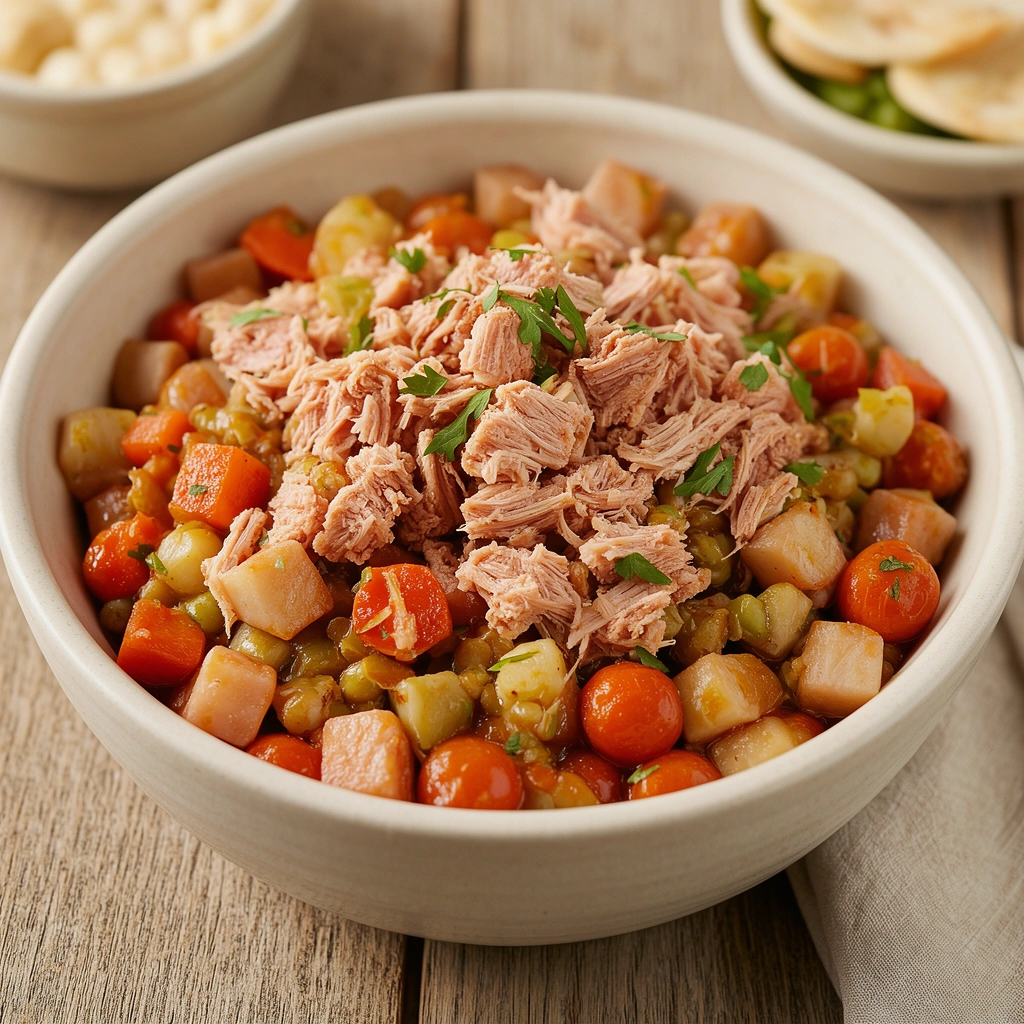
When it comes to feeding our beloved dogs, we all want the best. I’ve spent years researching and testing homemade dog food recipes to ensure you get the most accurate and helpful advice. Today, I’m sharing everything you need to know about homemade dog food with tuna, so you can confidently prepare nutritious meals your dog will love.
So, what makes homemade dog food with tuna a good choice? Tuna is a lean protein rich in omega-3 fatty acids, which support your dog’s skin, coat, and brain health. When combined with balanced ingredients like vegetables and grains, it creates a wholesome meal. This article will guide you through safe preparations, recipe ideas, and nutritional tips to keep your furry friend happy and healthy.
Keep reading, and I’ll walk you through multiple tasty recipes, the benefits of each ingredient, and important safety tips to make your homemade dog food journey simple and stress-free.
Why Choose Tuna for Homemade Dog Food?
Tuna is a fantastic protein source for dogs because it’s low in fat and packed with essential nutrients. It contains omega-3 fatty acids, which help reduce inflammation, support heart health, and improve cognitive function in dogs of all ages. Unlike some other fish, tuna has a firm texture and mild flavor that many dogs find appealing.
When making homemade dog food, tuna offers a lean protein alternative to chicken or beef. However, it’s important to use tuna that is low in mercury—typically chunk light tuna in water—and to feed it in moderation. Too much tuna can lead to mercury accumulation, so portion control is key.
Adding tuna to your dog’s diet can also be a great way to introduce variety and keep meals interesting, especially for picky eaters. Next, I’ll show you how to create balanced meals that combine tuna with vegetables, grains, and essential supplements.
Understanding Tuna Types and Safety Guidelines
Before diving into recipes, it’s crucial to understand the different types of tuna and how to safely incorporate them into your dog’s meals.
- Chunk Light Tuna: Usually made from smaller tuna species, it has lower mercury levels and is the safest choice for dogs.
- Albacore Tuna: Higher in mercury and should be given sparingly.
- Fresh Tuna: Can be used occasionally but must be cooked thoroughly to avoid parasites.
Safety Tips:
- Always choose tuna packed in water, not oil, to avoid unnecessary fats.
- Limit tuna to no more than twice a week to prevent mercury buildup.
- Remove any bones before feeding.
- Avoid adding salt or seasoning to tuna dishes.
- Consult your vet if your dog has specific health issues or allergies.
With these basics covered, you’re ready to explore delicious homemade dog food recipes featuring tuna that are both safe and nutritious.
Classic Tuna and Rice Dog Food Recipe
This simple recipe combines tuna with rice and vegetables, providing a balanced and easy-to-digest meal.
Ingredients:
- 1 can chunk light tuna in water (drained)
- 1 cup cooked brown rice
- 1/2 cup steamed carrots (chopped)
- 1/2 cup steamed green beans (chopped)
- 1 tablespoon olive oil
- Optional: 1/4 teaspoon ground flaxseed (for extra omega-3)
Why This Works:
The brown rice offers complex carbohydrates for sustained energy, while carrots and green beans provide fiber, vitamins, and antioxidants. Olive oil adds healthy fats, supporting skin and coat health. This recipe is gentle on the stomach and suitable for dogs with sensitive digestion.
Pro Tip:
Cook and cool all ingredients before mixing to preserve nutrients. Store leftovers in the fridge for up to three days. Serve at room temperature to avoid upsetting your dog’s stomach.
This classic tuna and rice dish is a great starting point for homemade meals and can be customized with different veggies.
Tuna and Sweet Potato Delight
Sweet potatoes are a nutrient-dense carb source packed with beta-carotene and fiber, making them an excellent companion to tuna.
Ingredients:
- 1 can chunk light tuna in water (drained)
- 1 cup cooked and mashed sweet potato
- 1/2 cup steamed peas
- 1/4 cup finely chopped spinach
- 1 teaspoon coconut oil
Health Benefits:
Sweet potatoes support digestive health and provide essential vitamins like A and C. Peas add protein and fiber, while spinach delivers iron and antioxidants. Coconut oil promotes a shiny coat and has antimicrobial properties.
Practical Tip:
Mash sweet potatoes without adding salt or sugar. Mix all ingredients thoroughly to ensure even nutrient distribution. This recipe suits dogs who enjoy softer textures or have dental issues.
Try rotating this meal with the classic rice recipe for variety in your dog’s diet.
Tuna and Quinoa Power Bowl
Quinoa is a gluten-free grain that offers a complete protein profile, making it a fantastic choice for dogs with grain sensitivities.
Ingredients:
- 1 can chunk light tuna in water (drained)
- 1 cup cooked quinoa
- 1/2 cup steamed broccoli florets (chopped)
- 1/2 cup grated zucchini
- 1 tablespoon flaxseed oil
Why It’s Great:
Quinoa contains all nine essential amino acids, supporting muscle growth and repair. Broccoli provides vitamin C and fiber, while zucchini adds hydration and antioxidants. Flaxseed oil boosts omega-3 intake for heart and joint health.
Implementation Tip:
Cook quinoa until fluffy and allow it to cool completely before adding other ingredients. Avoid overfeeding broccoli as it can cause gas in some dogs; start with small portions.
This power bowl fits well into modern or health-conscious feeding routines and is ideal for active dogs needing extra nutrients.
Tuna Salad with Egg and Veggies
Adding eggs to tuna meals enhances protein quality and provides essential fatty acids and vitamins.
Ingredients:
- 1 can chunk light tuna in water (drained)
- 1 hard-boiled egg (chopped)
- 1/2 cup diced cucumber
- 1/4 cup shredded carrot
- 1 teaspoon olive oil
Nutritional Highlights:
Eggs offer biotin for healthy skin and coat, and combined with tuna, they form a complete protein source. Cucumbers add hydration and crunch, while carrots contribute beta-carotene.
Serving Tip:
Chop all ingredients finely for easy chewing. This refreshing salad is perfect for warmer months or as a light meal option.
It’s a simple recipe that can be adapted with seasonal vegetables for variety.
Tuna and Pumpkin Stew for Sensitive Stomachs
Pumpkin is well-known for aiding digestion and soothing upset stomachs, making it an excellent addition to tuna meals.
Ingredients:
- 1 can chunk light tuna in water (drained)
- 1/2 cup canned pure pumpkin (no spices)
- 1/2 cup cooked oatmeal
- 1/4 cup steamed green beans
- 1 teaspoon fish oil
Why It Works:
Pumpkin regulates digestion and provides soluble fiber to ease constipation or diarrhea. Oatmeal is gentle on the stomach and helps maintain energy. Fish oil enhances omega-3 fatty acid intake.
Pro Tip:
Use plain pumpkin, not pie filling. Mix all ingredients thoroughly and serve warm. This stew is ideal for dogs recovering from digestive issues or those with sensitive tummies.
Rotate this with other recipes to maintain a balanced diet.
How to Store and Serve Homemade Tuna Dog Food
Preparing homemade dog food with tuna is rewarding, but proper storage and serving are essential to maintain freshness and safety.
- Storage: Refrigerate leftovers in airtight containers for up to three days. For longer storage, freeze portions in meal-sized containers for up to two weeks.
- Serving Temperature: Serve meals at room temperature or slightly warmed. Avoid feeding cold food straight from the fridge.
- Portion Control: Adjust portion sizes based on your dog’s weight, age, and activity level. Consult your vet for personalized guidance.
These tips ensure your dog enjoys fresh, tasty meals every time.
Common Questions About Tuna in Dog Food
Can dogs eat raw tuna?
Raw tuna is not recommended due to the risk of parasites and bacteria. Always cook or use canned tuna safely.
How often can I feed my dog tuna?
Limit tuna meals to two or three times per week to avoid mercury toxicity.
Is tuna better than other fish for dogs?
Tuna is great for its omega-3 content but should be balanced with other fish and proteins for variety.
Can puppies eat tuna?
Yes, but in small, controlled portions and only after consulting your vet.
Final Thoughts on Homemade Dog Food With Tuna
Making homemade dog food with tuna can be a nutritious and delicious way to care for your pet. By combining tuna with wholesome vegetables, grains, and healthy oils, you provide a balanced diet rich in protein and essential fatty acids. Remember to follow safety guidelines around mercury and portion sizes to keep your dog happy and healthy.
Feel free to experiment with the recipes shared here, and always observe your dog’s reactions to new foods. Homemade dog food with tuna isn’t just convenient—it’s a loving way to nourish your furry friend with meals made from scratch.
Thanks for sticking with me through this comprehensive guide on homemade dog food with tuna. With these recipes and tips, you’re well on your way to creating tasty, healthy meals that your dog will enjoy every day. Happy cooking!