
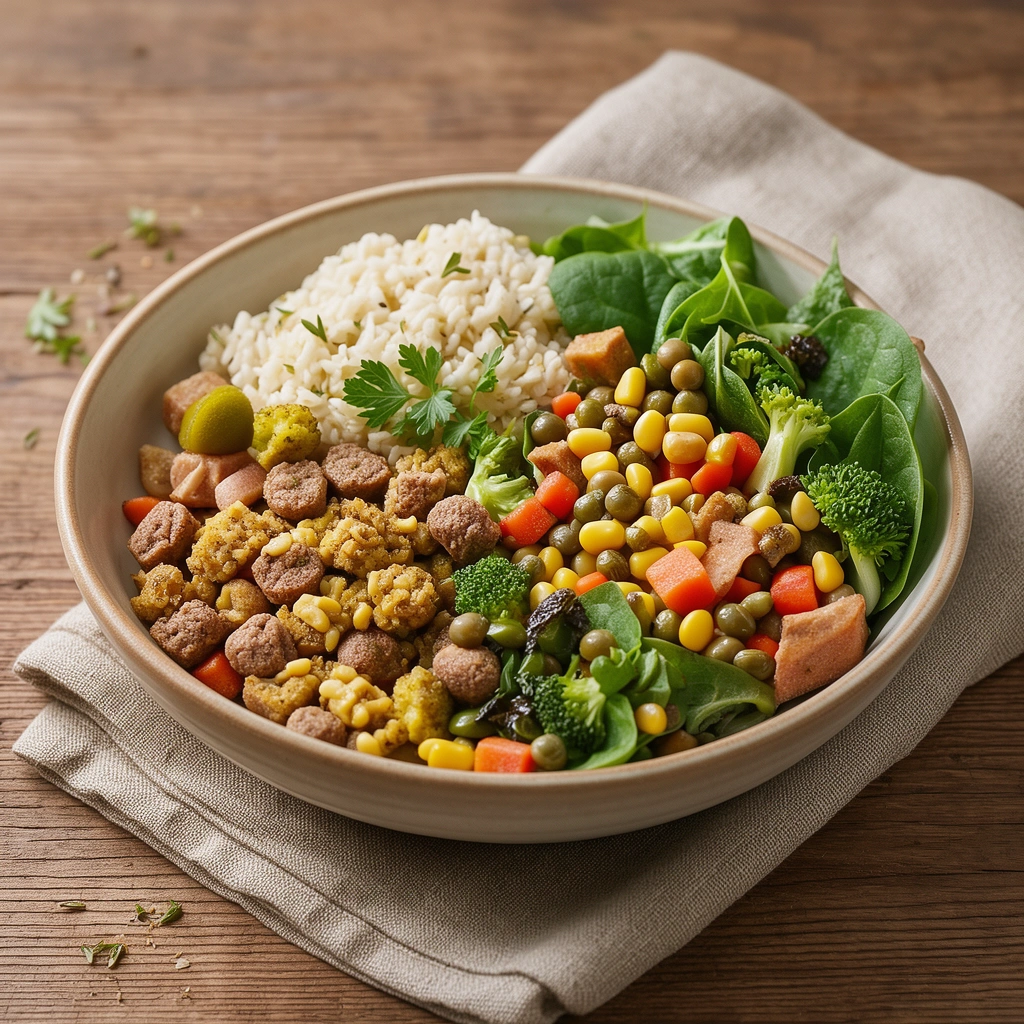
Hey friends! Today I’m diving deep into organic homemade dog food, sharing everything you need to know about making healthy, natural meals for your dog right at home. I’ve researched inside out to provide you with the most accurate, trustworthy info that’ll help you feel confident in what you’re feeding your pup.
So what exactly is organic homemade dog food? It’s dog food made from scratch using organic ingredients—no artificial preservatives, fillers, or chemicals. It’s packed with natural nutrients that promote your dog’s health, energy, and longevity. By choosing this option, you control what goes into each meal, ensuring quality and freshness every time.
Stick around as I reveal the best recipes, tips, and nutritional insights to make organic homemade dog food easy and enjoyable. Whether you’re a newbie or a seasoned dog parent, you’ll find something valuable here that your dog will love.
What Is Organic Homemade Dog Food?
Organic homemade dog food is crafted using fresh, natural ingredients grown without synthetic pesticides, herbicides, or fertilizers. It avoids processed additives and focuses on whole foods like organic meats, vegetables, and grains. This approach ensures your dog gets all essential nutrients in their purest form.
Making dog food at home lets you tailor meals to your dog’s specific needs—age, breed, allergies, and activity level. Plus, it’s a great way to avoid questionable ingredients found in some commercial foods, such as by-products and artificial colors.
Many dog owners find that switching to organic homemade meals improves their dog’s digestion, coat shine, energy, and even reduces allergy symptoms. It’s not just food; it’s a holistic approach to canine wellness.
Next, let’s chat about how to get started with organic homemade dog food and what you need to know before cooking.
Why Choose Organic Homemade Dog Food?
Choosing organic homemade dog food means prioritizing your dog’s health with fresh, minimally processed ingredients. Commercial dog foods often contain fillers like corn, soy, and wheat that provide little nutritional value and can cause allergies or digestive issues.
Organic homemade meals give you:
- Full control over ingredients
- Higher nutrient density
- No artificial preservatives or chemicals
- Better taste and appeal for picky eaters
- The ability to customize for allergies or sensitivities
Feeding your dog this way can lead to:
- Improved digestion and stool quality
- A shinier, healthier coat
- Increased energy and vitality
- Reduced risk of chronic diseases
Now that you understand the benefits, let’s explore what you’ll need to prepare organic homemade dog food safely and effectively.
Getting Started: Essential Tips Before You Cook
Before you jump into cooking, consider these key points to ensure your dog’s meals are safe and balanced:
- Consult Your Vet: Always check with your vet to understand your dog’s dietary needs, especially if they have health issues.
- Balance Is Key: Dogs need protein, fats, carbohydrates, vitamins, and minerals. Research or use recipes that cover these bases.
- Avoid Toxic Foods: Steer clear of onions, garlic, grapes, chocolate, and artificial sweeteners like xylitol.
- Use Quality Ingredients: Opt for USDA-certified organic meats and produce when possible.
- Proper Storage: Store homemade meals in airtight containers and freeze portions to maintain freshness.
Keeping these in mind will make your homemade dog food journey smoother and safer.
Next up, I’ll share some fantastic organic homemade dog food recipe ideas that you can start making today.
Organic Chicken and Veggie Delight
This recipe is a classic for a reason. Chicken is a lean, easily digestible protein packed with essential amino acids. Paired with organic veggies, it creates a balanced meal rich in vitamins and fiber.
Health Benefits:
Chicken supports muscle health and energy levels. Vegetables like carrots and peas provide antioxidants and fiber, promoting digestion and immune function.
Ingredients:
- 2 cups organic chicken breast, cooked and shredded
- 1 cup organic carrots, diced
- 1 cup organic peas
- 1/2 cup organic brown rice, cooked
- 1 tbsp organic olive oil
Practical Tip:
Cook the chicken thoroughly and steam the veggies lightly to preserve nutrients. Mix everything well before serving.
This recipe works well for most breeds and can be adapted for small or large dogs by adjusting portion sizes. Its wholesome ingredients make it a perfect everyday meal.
Ready for something with a bit more variety? Let’s move on to a fish-based recipe.
Salmon and Sweet Potato Feast
Salmon is an excellent source of omega-3 fatty acids, great for skin, coat, and brain health. Sweet potatoes add complex carbs and fiber, providing long-lasting energy.
Health Benefits:
Omega-3s reduce inflammation and support joint health. Sweet potatoes aid digestion and stabilize blood sugar.
Ingredients:
- 2 cups organic wild-caught salmon, cooked and flaked
- 1 cup organic sweet potatoes, mashed
- 1/2 cup organic green beans, chopped
- 1 tbsp organic flaxseed oil
Practical Tip:
Make sure all bones are removed from the salmon. Flaxseed oil adds extra omega-3s but should be added after cooking to retain benefits.
This meal suits active dogs needing joint support and a shiny coat. It also has a mild flavor that even picky eaters enjoy.
Next, I’ll show you a recipe designed for dogs with sensitive stomachs.
Turkey and Pumpkin Recipe for Sensitive Stomachs
Turkey is a gentle protein that’s easy on digestion. Pumpkin is known for its digestive soothing properties, helping with both diarrhea and constipation.
Health Benefits:
Pumpkin adds fiber and helps regulate digestion. Turkey provides lean protein without excess fat.
Ingredients:
- 2 cups organic ground turkey, cooked
- 1 cup organic pumpkin puree (unsweetened)
- 1/2 cup organic quinoa, cooked
- 1/2 cup organic zucchini, diced
Practical Tip:
Pumpkin should be pure and unsweetened—never pumpkin pie filling. Quinoa is a great gluten-free grain alternative.
This recipe is ideal for dogs recovering from digestive upset or with sensitive stomachs. It’s gentle yet nourishing.
Now, how about a meal packed with superfoods?
Beef and Superfood Mix
Beef offers rich iron and protein. Adding superfoods like kale and blueberries boosts antioxidants and vitamins, supporting overall health.
Health Benefits:
Iron supports blood health. Antioxidants fight free radicals, reducing chronic disease risk.
Ingredients:
- 2 cups organic ground beef, cooked
- 1/2 cup organic kale, finely chopped
- 1/4 cup organic blueberries
- 1/2 cup organic barley, cooked
- 1 tbsp organic coconut oil
Practical Tip:
Cook beef thoroughly and rinse kale to remove grit. Blueberries can be added fresh or frozen.
This hearty meal is great for adult dogs needing extra nutrition and energy. The vibrant colors also make the food visually appealing.
Next, a vegetarian-inspired dog food recipe for those exploring plant-based options.
Lentil and Veggie Medley for Plant-Based Diets
Not all dogs can tolerate meat well; some do well on vegetarian diets when carefully balanced. Lentils provide protein and fiber, while veggies add vitamins.
Health Benefits:
Lentils improve digestion and provide slow-release energy. Vegetables supply antioxidants and micronutrients.
Ingredients:
- 1 cup organic lentils, cooked
- 1 cup organic sweet corn
- 1/2 cup organic carrots, diced
- 1/2 cup organic spinach, chopped
- 1 tbsp organic sunflower oil
Practical Tip:
Soak lentils before cooking to reduce anti-nutrients. Add oil for healthy fats.
This recipe fits dogs on vegetarian diets but should be discussed with a vet to ensure nutritional completeness.
Moving on, let’s talk about how to store and serve these meals effectively.
Best Practices for Storing Organic Homemade Dog Food
To maintain freshness and safety:
- Divide meals into daily portions and store in airtight containers.
- Refrigerate for up to 3 days or freeze for up to 2 weeks.
- Thaw frozen meals in the fridge overnight, not at room temperature.
- Reheat gently to avoid nutrient loss; never microwave directly.
- Always check for spoilage before serving.
These steps keep your dog’s food tasty and safe, ensuring every bite is beneficial.
How to Transition Your Dog to Homemade Food
Sudden diet changes can upset your dog’s stomach. Here’s a simple transition plan:
- Days 1-3: Mix 25% homemade food with 75% current diet.
- Days 4-6: Mix 50% homemade food with 50% current diet.
- Days 7-9: Mix 75% homemade food with 25% current diet.
- Day 10 onwards: 100% homemade food.
Monitor your dog’s stool, energy, and appetite during this period. Adjust if needed.
Common Mistakes to Avoid When Making Homemade Dog Food
- Ignoring Nutritional Balance: Dogs need a range of nutrients, not just protein.
- Using Toxic Ingredients: Onions, garlic, chocolate, grapes are harmful.
- Overfeeding or Underfeeding: Portion control is crucial to prevent obesity or malnutrition.
- Skipping Vet Advice: Always consult a professional before major diet changes.
- Poor Food Hygiene: Always cook and store meals properly to avoid contamination.
By avoiding these, you ensure your dog’s homemade meals are safe and effective.
Supplements to Consider with Homemade Dog Food
Sometimes, homemade meals need a little boost. Common supplements include:
| Supplement | Purpose |
|---|---|
| Fish Oil | Omega-3 fatty acids for coat health |
| Calcium Powder | Bone health |
| Multivitamins | Fill nutrient gaps |
| Probiotics | Digestive health |
Always talk to your vet before adding supplements, as overdosing can be harmful.
Frequently Asked Questions (FAQs)
Q: Can I freeze homemade dog food?
A: Yes, freezing in portioned containers preserves freshness for up to two weeks.
Q: How do I know if my dog likes the food?
A: Watch for enthusiasm during mealtime, good digestion, and healthy energy levels.
Q: Can puppies eat homemade food?
A: With vet approval, yes. Nutritional needs differ, so recipes must be adjusted accordingly.
Wrapping It Up: Why Organic Homemade Dog Food Is Worth It
Making organic homemade dog food isn’t just a trend—it’s a commitment to your dog’s health and happiness. With proper planning, you can provide meals free from harmful additives, tailored to your dog’s unique needs. The benefits—better digestion, shinier coat, higher energy—are well worth the effort.
Start simple with the recipes above, experiment with ingredients, and enjoy the process of nourishing your best friend naturally. Your dog deserves the best, and organic homemade dog food is one of the most loving choices you can make.
Thanks for sticking with me! I hope this guide empowers you to confidently create wholesome, organic homemade dog food that your dog will thrive on. Remember, great food is the foundation of a happy, healthy pup. Happy cooking!