
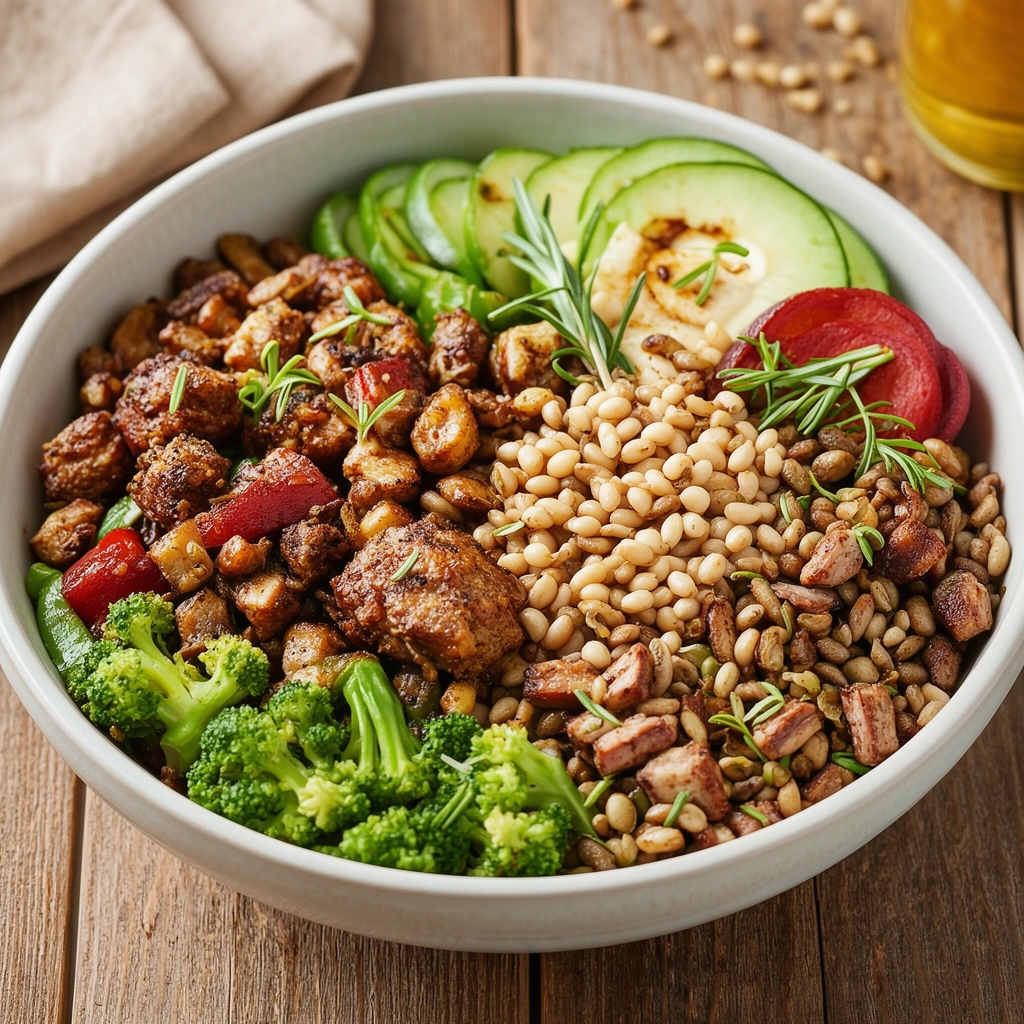
Hey friends! If you’ve ever wondered how to whip up simple, healthy meals for your furry buddy, you’re in the right place. I’ve spent a good deal of time digging into the best, easiest homemade dog food recipes that only need three ingredients but pack a nutritional punch. I’m here to share the most accurate, practical tips you’ll find anywhere.
So how do you make homemade dog food with just three ingredients? The answer is straightforward: Use wholesome, balanced ingredients combining protein, carbs, and fiber to provide essential nutrients in a simple recipe. These meals should be easy to prepare, digestible, and safe for your dog. No fancy extras needed.
Ready to discover delicious, nutritious, and easy-to-make recipes? Keep reading and I’ll walk you through the best three ingredient homemade dog food ideas, including how to choose the right ingredients for your dog’s health and taste buds.
Why Choose Three Ingredient Homemade Dog Food?
Making dog food at home with only three ingredients might sound too simple, but it works really well. The trick is picking the right ingredients that cover your dog’s basic nutritional needs: protein for muscle health, carbohydrates for energy, and fiber for digestion. This approach keeps things clean, avoids fillers and preservatives, and lets you control exactly what your dog eats.
When I cook for my dog, I want meals that are quick to make, easy on the stomach, and full of natural goodness. Using three solid ingredients also makes it budget-friendly and reduces the chance of allergies or sensitivities. Plus, homemade dog food can be customized to suit your dog’s size, age, and health conditions.
Now, let’s jump into the recipes! I’ll explain why each one works, the health benefits behind the ingredients, and share practical tips to make the cooking process smooth and stress-free.
Chicken, Sweet Potato, and Peas
This combo is a classic go-to because it balances protein, complex carbs, and fiber in a way dogs love. Chicken provides lean protein essential for building and repairing muscles. Sweet potatoes are great for steady energy release and are packed with vitamins A and C. Peas add fiber and antioxidants, supporting digestive health and immunity.
Why it works:
- Chicken is easily digestible and high in quality protein.
- Sweet potatoes offer slow-burning carbohydrates, preventing blood sugar spikes.
- Peas contribute fiber and important micronutrients.
Practical Tip:
Use skinless, boneless chicken breasts or thighs to avoid excess fat. Boil or bake the sweet potatoes until soft, and steam the peas lightly to preserve nutrients. Mix the ingredients in equal parts and let cool before serving.
Ideal for: Dogs of all ages who need a balanced, wholesome meal with simple ingredients. This recipe is especially good for dogs with sensitive stomachs or allergies to grains.
Next up, we’ll explore a recipe that’s perfect if your dog needs a little more fat for energy or coat health.
Beef, Brown Rice, and Carrots
This recipe packs a bit more punch with beef’s rich protein and fat content, brown rice for slow-digesting carbs, and carrots for added fiber and beta-carotene. It’s a hearty meal that’s easy to digest and supports healthy skin and eyes.
Health benefits:
- Beef delivers iron and B vitamins, boosting energy and red blood cell production.
- Brown rice is gluten-free and gentle on digestion, providing sustained energy.
- Carrots are low-calorie and promote dental health with their natural crunch.
Practical Tip:
Choose lean ground beef to avoid excess fat, and cook rice fully to aid digestion. Grate or chop carrots finely or steam them to make them easier to chew and absorb nutrients.
Best suited for: Active dogs needing more protein and energy, or those with grain sensitivities who tolerate brown rice well.
Stay tuned, because the next recipe is a fantastic option for dogs requiring a low-fat, high-fiber diet.
Turkey, Pumpkin, and Quinoa
Turkey is a lean protein that’s gentle on the stomach, making it ideal for dogs with food allergies or weight management needs. Pumpkin is a fantastic source of fiber and helps regulate digestion. Quinoa, a complete protein grain, adds essential amino acids and is naturally gluten-free.
Why this works:
- Turkey supports lean muscle and is less likely to cause allergies.
- Pumpkin soothes the digestive tract and relieves constipation or diarrhea.
- Quinoa provides a balanced source of carbs and proteins with vitamins and minerals.
Helpful tip:
Cook quinoa thoroughly before mixing it with cooked turkey and mashed pumpkin. Avoid canned pumpkin with additives—use pure pumpkin puree.
Perfect for: Dogs with sensitive digestive systems, weight concerns, or those on elimination diets.
Now that you’ve got three stellar recipes, let’s talk about some general tips to keep your homemade dog food safe and nutritious.
Tips for Safe and Healthy Homemade Dog Food
Making your dog’s meals at home is rewarding but requires care to avoid common pitfalls. Here are some essentials:
- Avoid toxic ingredients: No onions, garlic, chocolate, grapes, or artificial sweeteners.
- Balance nutrients: Protein, carbs, and fiber must be included for a complete meal.
- Portion control: Adjust portion sizes based on your dog’s weight, age, and activity.
- Storage: Refrigerate leftovers for up to 3 days or freeze in portions for convenience.
- Consult your vet: Before switching diets, especially if your dog has health conditions.
By following these guidelines, you can ensure your dog enjoys tasty meals without compromising health.
Common Nutritional Gaps in Homemade Dog Food
Many homemade dog food recipes overlook certain nutrients crucial to your dog’s well-being. For example:
- Calcium: Essential for strong bones and teeth; add ground eggshell or a supplement.
- Omega-3 fatty acids: Important for coat and brain health; consider adding fish oil or flaxseed oil.
- Vitamins and minerals: Sometimes homemade meals lack enough vitamins A, D, E, or zinc. A multivitamin recommended by your vet can help.
Addressing these gaps makes your homemade dog food more balanced and complete.
How to Customize Recipes for Your Dog’s Needs
Every dog is unique. Age, activity level, allergies, and health issues influence what diet suits them best. Here’s how to tweak recipes:
- For puppies: Increase protein and fat for growth.
- For senior dogs: Use easily digestible proteins and add joint-support supplements.
- For weight management: Reduce carbs and fats, add fiber-rich veggies.
- For allergies: Substitute proteins or carbs that your dog tolerates.
Customizing recipes ensures your pup gets exactly what they need to thrive.
Conclusion
Cooking three ingredient homemade dog food recipes is easier and healthier than you might think. By choosing the right proteins, carbohydrates, and vegetables, you provide balanced nutrition in a simple, wholesome way. Whether you go for chicken and sweet potato, beef and brown rice, or turkey and pumpkin, your dog will benefit from fresh, natural meals made with love.
Remember, homemade dog food lets you control quality and tailor meals to your dog’s needs. Give it a try and see the difference it makes in your furry friend’s health and happiness!
Thanks for sticking with me! I hope you feel confident to start cooking these easy, nutritious meals for your dog. Homemade dog food with three ingredients is a fantastic way to keep your pup healthy, happy, and wagging their tail for more!