
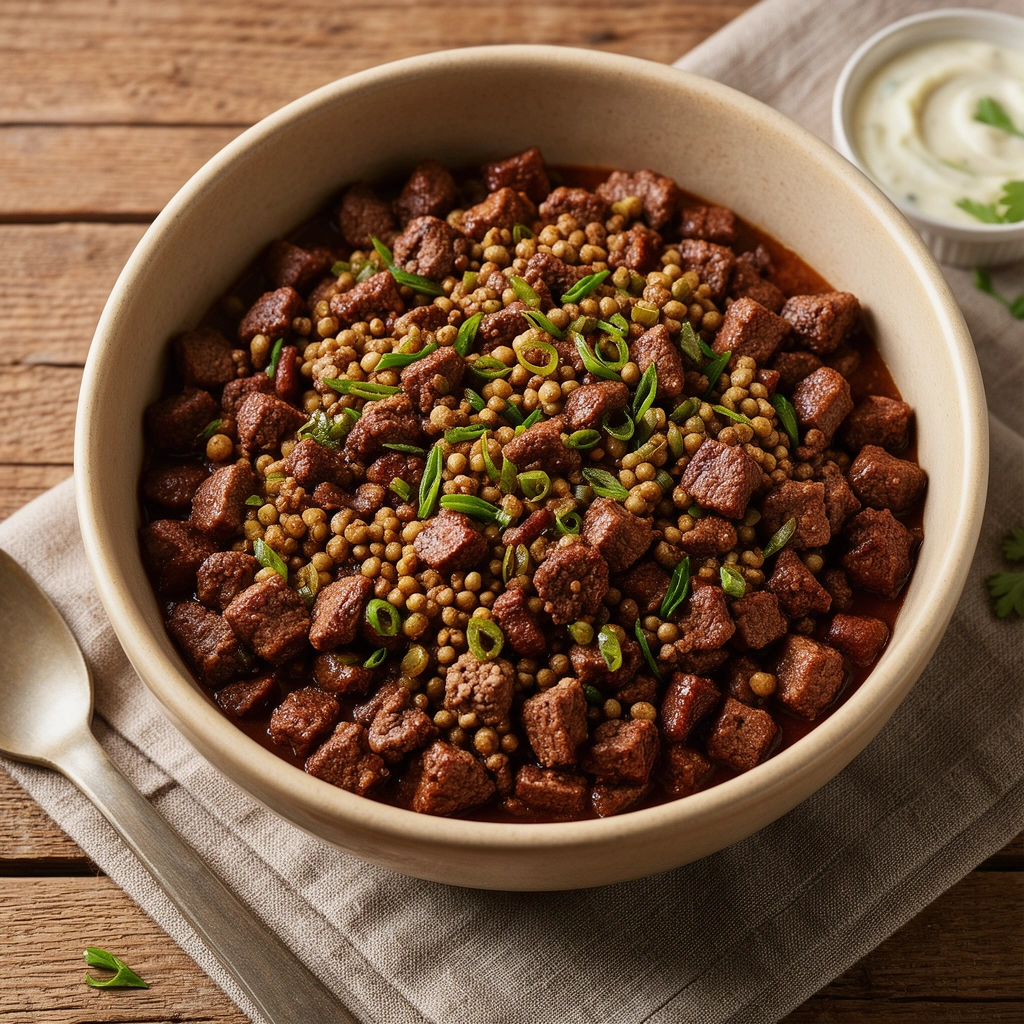
When it comes to feeding our furry friends, I know how important it is to get the recipe just right. After years of experience with dog nutrition and homemade meals, I’m confident that I can provide you with the most accurate and helpful information about venison dog food recipes. You’ll find everything you need to know here, from basics to expert tips, all in one place.
So, what exactly is a venison dog food recipe? Simply put, it’s a homemade dog meal using venison as the main protein source. Venison is lean, nutrient-rich, and an excellent alternative to common proteins like chicken or beef. This recipe balances meat, vegetables, and supplements to give your dog a healthy, tasty meal every time.
Stick around, because I’ll walk you through different venison dog food recipes, their health benefits, ingredient selection, and how to prepare them. By the end, you’ll be ready to whip up meals that your dog will love and thrive on!
Why Choose Venison Dog Food?
Let’s chat about why venison is an awesome choice for your dog’s diet. Venison isn’t just tasty; it’s packed with protein and low in fat, making it perfect for dogs with allergies or sensitive stomachs. It’s also rich in essential vitamins and minerals like iron, zinc, and B vitamins, which support overall health and energy levels.
Venison is a great hypoallergenic option because it’s less likely to cause food reactions compared to common proteins like beef or chicken. Plus, it’s naturally lean, which helps in maintaining a healthy weight. Whether your dog is active or a bit more sedentary, venison can fit nicely into their diet plan.
If you’re curious about how to integrate venison into your dog’s meals or want recipes that are easy to prepare and balanced, keep reading. I’ll cover everything from ingredient choices to cooking tips and storage advice.
Understanding Venison: What Makes It Special?
Before diving into recipes, let’s take a closer look at venison itself. Venison is meat from deer and other wild game, known for its rich flavor and nutritional benefits. Unlike conventional meats, venison is less processed and often free-range, which can mean fewer additives and hormones.
Venison’s low fat content means it’s less greasy and easier to digest. Its high protein level helps with muscle maintenance and energy. It also has a good amount of omega-3 fatty acids, which promote a shiny coat and healthy skin.
When selecting venison for your dog’s food, opt for fresh, lean cuts without added preservatives or seasoning. If you source wild venison, ensure it has been properly handled and is safe for consumption.
The Basics of a Venison Dog Food Recipe
When making venison dog food at home, balance is key. Your recipe should include:
- Venison meat: The main protein source, providing essential amino acids.
- Carbohydrates: Such as sweet potatoes, brown rice, or oats for energy.
- Vegetables: Like carrots, peas, spinach, and green beans for fiber and vitamins.
- Supplements: Including fish oil (for omega-3s), calcium (from ground eggshells or supplements), and a multivitamin designed for dogs.
A balanced mix ensures your dog gets all the nutrients they need without relying on commercial dog food additives.
How to Prepare Venison Dog Food Safely
Food safety is crucial when preparing homemade meals for your dog. Here are my top tips:
- Use fresh, high-quality venison that’s free from spoilage.
- Cook the meat thoroughly to kill any harmful bacteria.
- Avoid adding onions, garlic, or excessive salt — these are toxic to dogs.
- Wash all vegetables and cook them slightly to aid digestion.
- Store leftovers in airtight containers in the fridge for up to 3 days or freeze for longer storage.
- Introduce new recipes gradually to monitor your dog’s tolerance.
By following these steps, you’ll keep mealtime safe and enjoyable for your dog.
Venison and Sweet Potato Dog Food: A Classic Combo
This classic recipe combines lean venison with sweet potatoes for a nutrient-rich, balanced meal.
Sweet potatoes provide complex carbs, fiber, and beta-carotene, while venison supplies the protein. Add some green beans or peas for extra vitamins and a sprinkle of fish oil for omega-3s.
- Health benefits: Supports digestion, muscle development, and immune health.
- Ingredients to include:
- 2 pounds ground venison
- 1 large sweet potato, peeled and diced
- 1 cup green beans, chopped
- 1 tablespoon fish oil
- Calcium supplement or ground eggshell powder
Tip: Cook the sweet potatoes until soft, then mix with cooked venison and veggies. Let cool before serving.
This recipe suits most dogs, especially those with sensitive stomachs or food allergies.
Venison and Brown Rice Dog Food: For Digestive Health
Brown rice is a great grain option because it’s nutritious and easy on digestion. Paired with venison, it creates a meal that’s filling and balanced.
- Health benefits: Brown rice provides fiber for digestion and steady energy release. Venison adds lean protein critical for muscle repair.
- Ingredients:
- 2 pounds ground venison
- 1 cup cooked brown rice
- 1 cup carrots, finely chopped
- ½ cup peas
- 1 teaspoon fish oil or flaxseed oil
- Multivitamin supplement for dogs
Tip: Cook the rice and vegetables well, then combine with browned venison. Avoid seasoning to keep it healthy.
This recipe works well for dogs needing extra fiber or those with moderate activity levels.
Venison Stew with Vegetables: A Hearty Treat
If you want to spoil your dog, try a venison stew packed with wholesome veggies. This slow-cooked meal is easy to digest and great for cold days.
- Health benefits: The recipe is rich in vitamins, antioxidants, and protein for overall vitality.
- Ingredients:
- 2 pounds venison stew meat, cut into cubes
- 2 carrots, sliced
- 1 cup chopped celery
- 1 cup pumpkin puree
- 1 cup water or low-sodium broth
- 1 teaspoon fish oil
Tip: Simmer all ingredients together on low heat for 2-3 hours. Cool before serving.
Venison stew is ideal for dogs that need a softer diet or extra hydration.
Raw Venison Diet: Pros and Cons
Some dog owners prefer feeding raw diets, believing it mimics natural canine eating habits. Raw venison can be part of this, but it requires caution.
- Pros: High nutrient retention, natural enzymes, and often better palatability.
- Cons: Risk of pathogens, need for strict hygiene, and balanced supplementation is critical.
If you choose raw, work with your vet to ensure your dog gets all necessary nutrients and monitor for any health issues.
How to Supplement Venison Dog Food for Complete Nutrition
Venison alone doesn’t cover every nutrient your dog needs. You’ll want to add:
- Calcium: From ground eggshells or bone meal to support bones and teeth.
- Omega-3 fatty acids: Via fish oil or flaxseed oil for skin and coat health.
- Multivitamins: To fill any gaps in vitamins and minerals.
- Probiotics: Optional but helpful for gut health.
Consider consulting a canine nutritionist to tailor supplements for your dog’s specific needs.
Storing and Serving Homemade Venison Dog Food
Proper storage preserves freshness and safety:
- Refrigerate portions you’ll use within 3 days.
- Freeze extra batches in meal-sized containers for up to 3 months.
- Thaw frozen food in the fridge overnight before serving.
- Serve at room temperature to avoid digestive upset.
Feeding amounts depend on your dog’s weight, age, and activity. Start with about 2-3% of your dog’s body weight per day, split into two meals.
Signs Your Dog Loves Venison Dog Food
You’ll notice some great signs when your dog enjoys and benefits from venison meals:
- Increased energy and vitality
- Healthy, shiny coat and skin
- Improved digestion and stool quality
- Keen appetite and excitement at mealtime
If you see any adverse reactions like vomiting or diarrhea, stop the recipe and check with your vet.
Common Mistakes to Avoid When Making Venison Dog Food
To keep your cooking successful, avoid these pitfalls:
- Using fatty cuts that can cause upset stomachs
- Skipping supplements and causing nutrient deficiencies
- Adding harmful ingredients like onions or garlic
- Serving food that’s too hot or raw without vet guidance
- Switching diets too abruptly, upsetting digestion
Taking time to prepare well-balanced meals keeps your dog happy and healthy.
How to Transition Your Dog to Venison Dog Food
Switching your dog’s diet should be gradual for best results:
- Start by mixing 25% venison food with 75% old food.
- Increase venison food by 25% every 3-4 days.
- Watch for digestive changes or allergies.
- Once fully transitioned, feed venison dog food exclusively.
This slow approach helps your dog adjust without tummy troubles.
Venison Dog Food for Allergic Dogs
Many dogs suffer from food allergies to common proteins like chicken or beef. Venison, being a novel protein, can reduce allergic reactions.
- Venison is less likely to trigger immune responses.
- Helps alleviate symptoms like itching, ear infections, and digestive upset.
- Always consult your vet before switching diets for allergies.
Homemade venison dog food can be a game-changer for dogs with sensitivities.
Cost and Availability of Venison for Dog Food
Venison can be pricier and harder to find than other meats. Here’s some advice:
- Check local butchers or specialty meat shops.
- Purchase frozen venison to save money.
- Consider venison from trusted hunters or farms.
- Balance cost by mixing venison with affordable carbs and veggies.
Though it’s a bit more expensive, the health benefits can justify the investment.
Final Thoughts on Venison Dog Food Recipes
Making venison dog food at home is a fantastic way to provide your dog with a nutritious, balanced diet that supports their health and energy. With a little planning, fresh ingredients, and careful preparation, you’ll be able to serve meals your dog will love and thrive on.
Remember, venison is a lean, hypoallergenic protein that pairs well with nutrient-rich vegetables and supplements. Whether you choose cooked, raw, or stew recipes, always prioritize safety and balance. Your dog deserves the best, and homemade venison meals can be just that.
I hope this guide helps you confidently create delicious and healthy venison meals for your dog. Happy cooking and tail wags!
If you’re ready to try making venison dog food, start with the simple recipes above and adjust based on your dog’s preferences and needs. Don’t hesitate to consult your vet or a canine nutritionist for personalized advice.
Thanks for reading! Remember, venison dog food can transform your dog’s mealtime into a nourishing, joyful experience.