
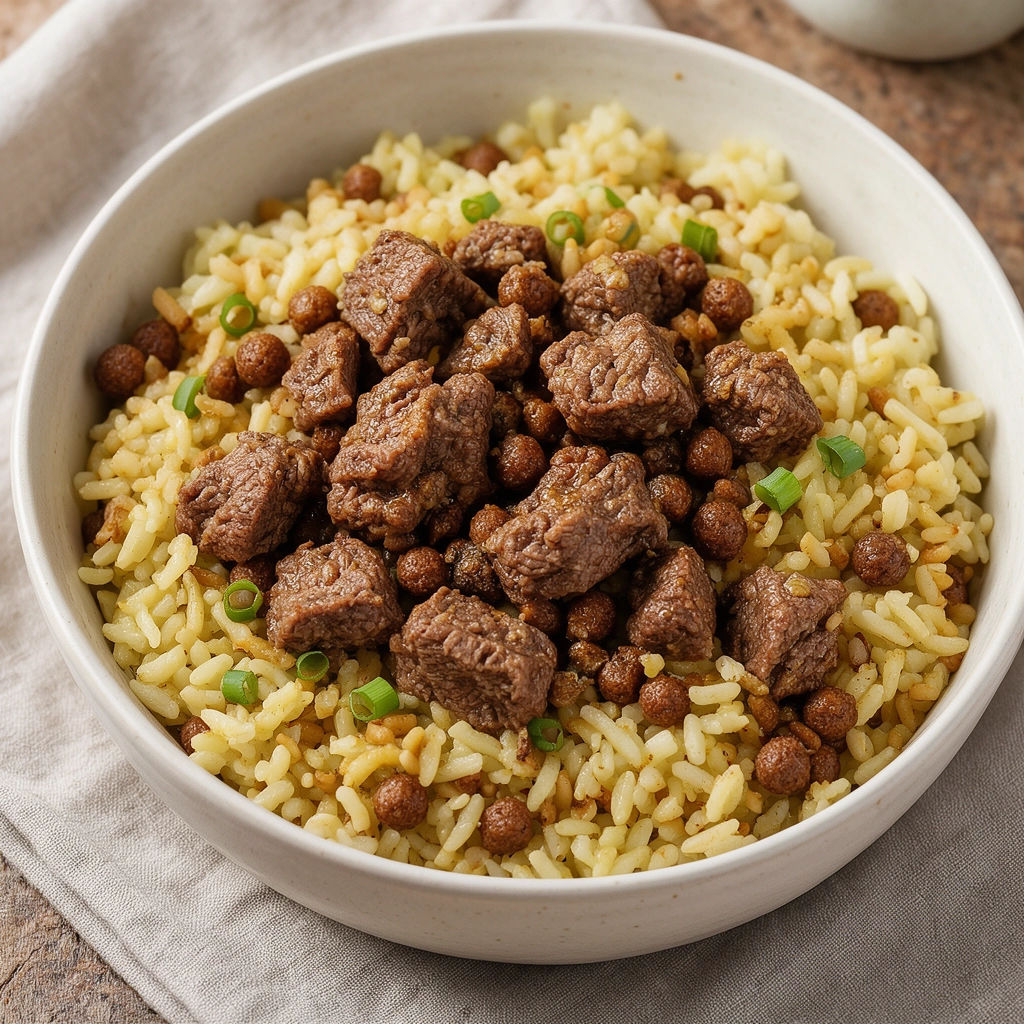
When it comes to feeding our furry friends, I know how important it is to provide accurate, trustworthy information. Over the years, I’ve helped countless dog owners craft nutritious homemade meals that keep their pets happy and healthy. Today, I’m excited to share everything you need to know about making simple homemade beef and rice dog food, a recipe beloved by many dog lovers for being both wholesome and easy to prepare.
So what is simple homemade beef and rice dog food? It’s a balanced dog meal made primarily from lean beef and rice, designed to provide essential nutrients, protein, and energy for your dog’s well-being. This recipe is straightforward, digestible, and gentle on your dog’s stomach, making it ideal for pets with sensitive digestion or those needing a nutritious, homemade diet.
If you’re curious about how to prepare this meal, what ingredients to choose, and how to customize it for your dog’s needs, keep reading. I’ll walk you through every step, plus share some tips to ensure your pup loves every bite.
What is Simple Homemade Beef and Rice Dog Food?
Let’s start by talking about what makes this dog food recipe so popular. Homemade beef and rice dog food combines two staple ingredients: lean beef and rice. These ingredients are often recommended by veterinarians for dogs because they’re easy to digest and provide high-quality protein and carbohydrates. This combination is especially helpful for dogs who suffer from food sensitivities or digestive issues, as it’s gentle on their system.
The recipe is simple enough for beginners but versatile enough for dog owners who want to customize meals with added veggies or supplements. It’s a great way to control what your dog eats, avoid fillers and preservatives found in commercial dog foods, and ensure fresh ingredients are used.
Why Choose Homemade Beef and Rice Dog Food?
If you’re like me, you want the best for your dog without breaking the bank or spending hours in the kitchen. Homemade beef and rice dog food ticks both boxes. Not only is it affordable and easy to prepare, but it also lets you avoid common allergens and artificial additives that may be present in store-bought dog foods.
Plus, cooking for your dog means you can tailor the recipe to their unique health needs, whether that’s adding glucosamine for joint health, fiber for digestion, or omega-3s for a shiny coat. Homemade meals show your dog extra love, and many pups respond with better energy, healthier skin, and improved digestion.
Main Ingredients and Their Benefits
When making simple homemade beef and rice dog food, it’s important to understand the role of each ingredient:
- Lean Ground Beef: Provides high-quality protein essential for muscle maintenance and repair. Choose lean options (90% lean or more) to avoid excess fat.
- Rice: A great source of easily digestible carbohydrates that supply energy. White rice is gentle on sensitive stomachs, while brown rice offers more fiber and nutrients.
- Vegetables (optional): Carrots, peas, green beans, or spinach add vitamins, minerals, and fiber to support overall health.
- Supplements: Adding fish oil, calcium, or specific vitamins can balance the meal for complete nutrition.
This balance of protein, carbs, and vitamins helps support your dog’s digestive system, energy levels, and immune function.
Step-By-Step Guide to Making Homemade Beef and Rice Dog Food
Here’s how you can prepare a simple, nutritious beef and rice meal for your dog at home:
Ingredients
- 1 ½ cups of brown rice (or white rice for sensitive stomachs)
- 1 tablespoon olive oil or coconut oil
- 3 pounds of lean ground beef (90% lean or higher)
- 3 cups of mixed vegetables (carrots, peas, green beans)
- Optional: 1 teaspoon fish oil (for omega-3 fatty acids)
- Optional: calcium supplement (consult your vet)
Instructions
- Cook the rice: Start by rinsing the rice until the water runs clear. Cook it according to package instructions without adding salt or seasonings.
- Brown the beef: Heat the oil in a large pan over medium heat. Add the ground beef and cook until fully browned, breaking it up with a spoon. Drain any excess fat.
- Cook the veggies: Lightly steam or boil the vegetables until tender but not mushy.
- Combine ingredients: In a large bowl, mix the cooked rice, beef, and vegetables evenly.
- Add supplements: Stir in fish oil or any vet-recommended supplements.
- Cool and serve: Let the food cool completely before serving to your dog.
Tips for Customizing Your Beef and Rice Dog Food
Every dog is different, so you might want to tweak this recipe based on your dog’s specific needs:
- For puppies: Increase protein slightly and add puppy-safe supplements.
- For seniors: Add joint-supporting ingredients like glucosamine or turmeric.
- For dogs with allergies: Avoid common allergens and introduce hypoallergenic vegetables.
- For weight management: Use leaner beef and reduce portion size accordingly.
Always introduce new ingredients gradually and consult your veterinarian, especially when adding supplements.
Why Lean Beef is the Best Protein Choice
Lean beef is a fantastic protein source because it contains essential amino acids that help your dog build and maintain muscle. It’s also rich in iron and B-vitamins, which support energy metabolism and blood health. When selecting beef, always opt for lean cuts to avoid unnecessary fat that could lead to weight gain or pancreatitis in sensitive dogs.
Choosing grass-fed or organic beef can also provide better nutrient profiles and reduce exposure to hormones or antibiotics.
Rice: The Powerhouse Carb for Dogs
Rice is a key ingredient in this recipe because of its digestibility and energy content. Here’s why it works well:
- White rice: Easy on the stomach, ideal for dogs recovering from illness or with digestive issues.
- Brown rice: Contains more fiber, vitamins, and minerals. Suitable for healthy dogs needing added nutrition.
Rice should be cooked thoroughly and served plain to avoid upsetting your dog’s stomach.
Adding Vegetables for Extra Nutrition
Vegetables are an excellent addition to homemade dog food because they provide fiber, antioxidants, and vitamins without adding many calories. Great choices include:
- Carrots: Rich in beta-carotene and fiber.
- Green beans: Low-calorie and good for weight control.
- Peas: Provide vitamins A, K, and B.
- Spinach: Loaded with iron and antioxidants (in small amounts).
Always cook vegetables well and chop or mash them for easy digestion.
How to Transition Your Dog to Homemade Food
Switching your dog to homemade beef and rice food requires patience. Abrupt changes can cause digestive upset, so follow these tips:
- Start by mixing a small portion of homemade food with your dog’s current diet.
- Gradually increase the homemade portion over 7-10 days.
- Monitor your dog’s stool, appetite, and energy levels.
- Consult your vet if you notice digestive issues or allergies.
Storage and Serving Tips
Preparing homemade dog food in bulk can save time, but proper storage is essential:
- Store cooked food in airtight containers in the refrigerator for up to 4 days.
- Freeze portions in meal-sized containers for up to 2 months.
- Always thaw frozen food in the refrigerator or microwave before serving.
- Serve food at room temperature to avoid digestive discomfort.
Common Mistakes to Avoid When Making Homemade Dog Food
Even simple recipes can be tricky if you don’t know what to watch for. Avoid these common pitfalls:
- Using fatty beef cuts that can cause digestive upset.
- Adding salt, spices, or ingredients toxic to dogs like onions or garlic.
- Not balancing the meal with necessary supplements like calcium.
- Feeding homemade food exclusively without vet approval for complete nutrition.
How to Ensure Nutritional Balance in Homemade Meals
Homemade beef and rice dog food covers many basics, but dogs need a balanced diet to thrive long-term. To achieve this:
- Include a variety of vegetables for micronutrients.
- Add omega-3 fatty acids for healthy skin and joints.
- Use calcium sources like ground eggshells or supplements to support bones.
- Consider a multivitamin or mineral supplement recommended by your vet.
Regular check-ups can help track your dog’s health and adjust diet as needed.
Can Homemade Beef and Rice Food Replace Commercial Dog Food?
Many dog owners ask whether homemade recipes like beef and rice can fully replace commercial kibble. The answer depends on how well you balance the diet and your dog’s unique health needs.
Homemade food can be a great alternative or supplement, but it requires careful planning to avoid nutrient gaps. Consulting a veterinary nutritionist can help you create a complete meal plan. For many, combining homemade meals with high-quality commercial food offers the best of both worlds.
Benefits of Homemade Dog Food Beyond Nutrition
Feeding your dog homemade beef and rice food isn’t just about nutrition. It can also:
- Strengthen the bond between you and your pet.
- Allow you to control ingredient quality and avoid fillers.
- Help manage food allergies and sensitivities.
- Provide variety and excitement in your dog’s meals.
For many pet parents, these benefits make the extra effort worthwhile.
Troubleshooting Your Dog’s Reaction to Homemade Food
If your dog experiences digestive upset, allergies, or weight changes after switching to homemade food, try these steps:
- Eliminate new ingredients one at a time to identify allergens.
- Make sure portion sizes match your dog’s activity level.
- Add probiotics or digestive enzymes if recommended.
- Consult your vet before making any drastic changes.
Final Thoughts on Simple Homemade Beef and Rice Dog Food
Making simple homemade beef and rice dog food is a fantastic way to give your dog fresh, wholesome meals tailored to their needs. By following the recipe and tips above, you can ensure your dog enjoys a balanced diet that supports their health and happiness.
Remember, the key to success is choosing quality ingredients, introducing changes gradually, and consulting your vet for personalized advice. Your dog deserves the best, and homemade meals are a wonderful way to provide it.
Summary
In this guide, we explored how simple homemade beef and rice dog food offers a nutritious, digestible, and customizable meal option for dogs of all ages. We covered the benefits of each ingredient, step-by-step preparation, tips for customization, and common mistakes to avoid. By understanding how to balance this homemade recipe, you can confidently feed your dog a fresh diet that promotes optimal health. Try this recipe today, and watch your pup thrive on wholesome, homemade goodness!