
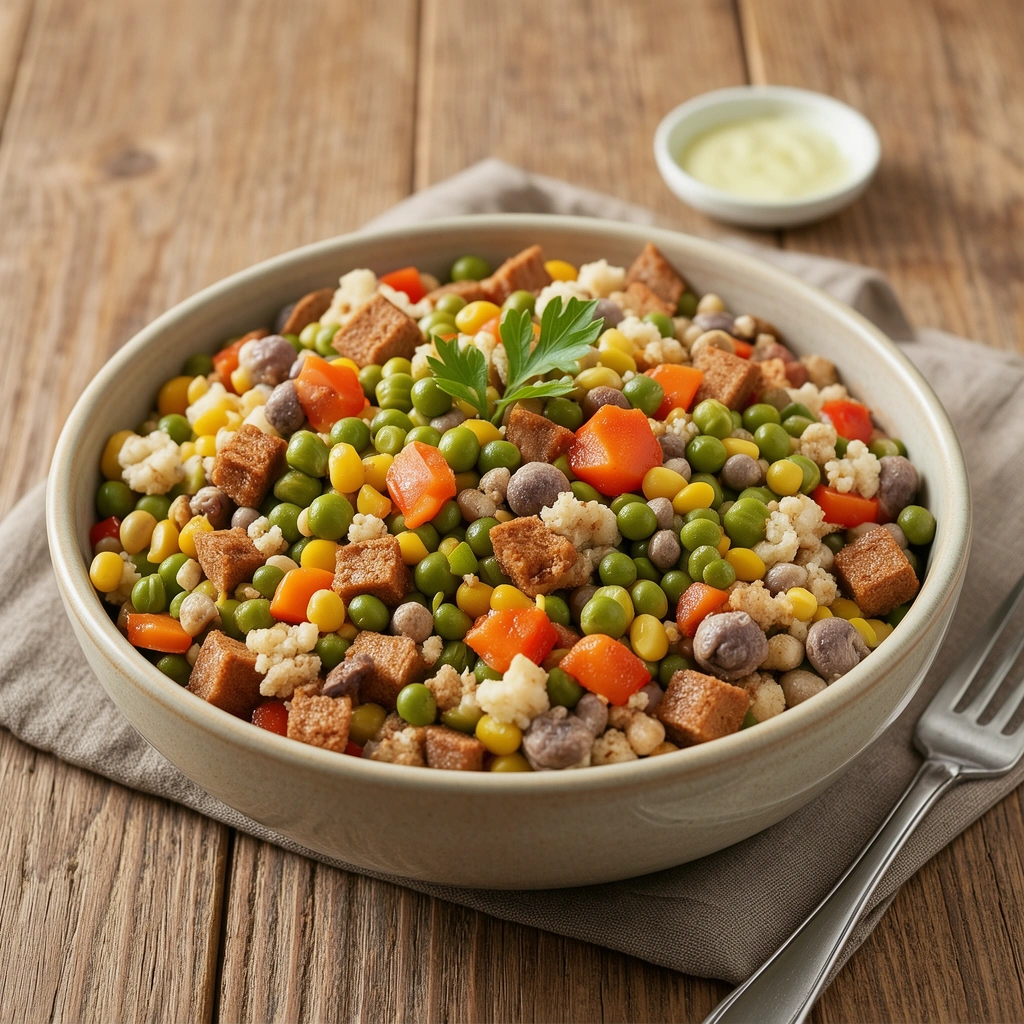
When it comes to feeding our furry friends, finding the right balance between quality nutrition and affordability can feel like a tricky puzzle. As someone who’s passionate about dogs and practical solutions, I’ve researched and tested numerous approaches to homemade dog food that won’t break the bank. I’m here to share the most accurate, useful tips so you can confidently prepare healthy meals for your dog without overspending.
So, what’s the best way to make homemade dog food on a budget? The answer is simple: Focus on nutrient-rich, affordable ingredients combined in balanced recipes tailored to your dog’s needs. This approach ensures your dog gets essential vitamins and minerals while keeping costs low. Homemade dog food can be both healthy and economical when you plan smartly and shop wisely.
Stick around as I walk you through budget-friendly recipe ideas, ingredient hacks, and practical advice to keep your dog’s meals nutritious and your wallet happy. You’ll learn how to save money and feed your dog well without sacrificing quality.
Why Homemade Dog Food Can Be Budget-Friendly and Healthy
Making your dog’s food at home might seem expensive at first glance, but it’s often more affordable than premium commercial dog food brands. By choosing whole foods and cooking in batches, you can control the ingredients, avoid unnecessary additives, and tailor meals to your dog’s health needs.
A budget-friendly homemade dog food plan relies on selecting ingredients that are both nutritious and cost-effective. For instance, using chicken thighs instead of breasts, incorporating seasonal vegetables, and buying grains in bulk can drastically cut costs. Plus, homemade meals often reduce vet bills by promoting better health.
Besides saving money, homemade dog food gives you peace of mind. You know exactly what goes into each meal, ensuring your dog avoids fillers, preservatives, and allergens. This control helps maintain your dog’s weight, energy, and overall wellbeing.
Understanding Your Dog’s Nutritional Needs on a Budget
Before diving into recipes, it’s crucial to understand what your dog needs nutritionally. Dogs require a balanced mix of proteins, fats, carbohydrates, vitamins, and minerals to thrive. Homemade meals must include these components in the right proportions to avoid deficiencies or excesses.
Proteins support muscle health and repair. Affordable sources include eggs, chicken, turkey, and certain fish. Fats provide energy and support coat health, commonly found in fish oil or flaxseed. Carbohydrates offer fuel and fiber, often coming from brown rice, oats, or sweet potatoes.
Vitamins and minerals are essential for immune function, bone strength, and metabolism. Leafy greens, carrots, and pumpkin are budget-friendly veggies loaded with nutrients. Supplementing with dog-safe vitamins can fill any gaps, but whole foods should be your primary source.
Now that we’ve covered the basics let’s explore some tasty, nutritious homemade dog food recipes that keep costs low without compromising health.
Bulk Cooking: How Batch Preparation Saves Time and Money
Batch cooking is a game-changer when making homemade dog food on a budget. Preparing large quantities at once reduces energy costs, saves time, and prevents last-minute expensive takeout temptations.
Start by choosing recipes that freeze well, such as stews or casseroles. Invest in airtight containers or freezer bags to portion meals. Label each batch with the date and ingredients to track freshness and dietary variety.
Batch cooking also allows you to buy ingredients in bulk, which is almost always cheaper. For example, purchasing a large bag of rice or a whole chicken can significantly lower your per-meal cost. Plus, having meals ready avoids impulse buys of costly commercial treats or supplements.
This method suits any home style, from small apartments with minimal kitchen space to larger houses with full kitchens. It’s practical, budget-friendly, and a smart way to keep your dog’s diet consistent.
Using Affordable Protein Sources: Eggs, Chicken, and More
Protein is the cornerstone of your dog’s diet, but it doesn’t have to be pricey. Eggs are an excellent, inexpensive protein source packed with essential amino acids, vitamins, and minerals. Scrambled or boiled eggs mixed with grains and veggies make a perfect base.
Chicken thighs and drumsticks are cheaper than breasts and still provide plenty of protein and healthy fats. Buying whole chickens and butchering them yourself further cuts costs. Turkey necks and livers are also nutritious and wallet-friendly options, rich in vitamins A and B.
When selecting proteins, consider rotating sources to provide variety and reduce allergen risk. Frozen fish like mackerel or sardines can also be affordable and boost omega-3 intake, supporting your dog’s skin and coat health.
A practical tip: shop sales and use coupons for meat purchases. Freeze portions immediately to extend shelf life. This strategy ensures your dog gets quality protein without overspending.
Budget-Friendly Carbohydrates and Fiber: Rice, Oats, and Sweet Potatoes
Carbohydrates provide energy and fiber essential for digestive health. Brown rice, rolled oats, and sweet potatoes are excellent, low-cost options packed with nutrients.
Brown rice is easy to cook, digestible, and affordable when bought in bulk. Rolled oats add fiber and help regulate blood sugar. Sweet potatoes are rich in beta-carotene and vitamins, plus they add natural sweetness that dogs often love.
Including a variety of carbs not only balances the diet but also helps with portion control, preventing overeating and obesity. You can prepare these in large batches and mix them with proteins and veggies.
To save money, buy these staples in bulk from warehouse stores or online retailers. Cook grains in large pots and refrigerate or freeze leftovers for easy meal prep.
Incorporating Vegetables and Fruits for Essential Nutrients
Vegetables and fruits supply antioxidants, vitamins, and minerals dogs need for immunity and overall health. Budget-friendly choices include carrots, green beans, spinach, pumpkin, and apples.
Carrots and green beans are inexpensive, widely available, and easy to prepare—simply steam or lightly cook to maximize nutrient absorption. Pumpkin is excellent for digestive health, helping with both diarrhea and constipation.
Fruits like apples offer fiber and vitamin C but remember to remove seeds and cores before feeding. Avoid grapes, raisins, onions, and garlic as they are toxic to dogs.
A helpful tip: buy seasonal produce or frozen vegetables, which are often cheaper and just as nutritious. Incorporate these into your dog’s meals regularly to boost dietary variety and health benefits.
Using Supplements Wisely to Fill Nutritional Gaps
Even the best homemade dog food recipes may lack some micronutrients. Supplements can help fill these gaps without adding much to your budget.
Common supplements include fish oil for omega-3 fatty acids, calcium (especially if you don’t use bone-in meats), and multivitamins designed specifically for dogs. Before adding supplements, consult your vet to avoid overdosing.
A practical approach is to rotate supplements based on your dog’s current diet and health status. For example, if your dog eats lots of fish, additional omega-3 might not be necessary.
Keeping supplements minimal and targeted ensures your homemade dog food stays cost-effective and nutritionally complete.
How to Shop Smart: Tips for Saving on Ingredients
Smart shopping is key to making homemade dog food affordable. Here are some actionable tips:
- Buy in Bulk: Purchase staples like rice, oats, and frozen meats in larger quantities.
- Shop Sales and Discounts: Monitor local grocery flyers and online deals.
- Use Store Brands: Often cheaper but just as nutritious as name brands.
- Visit Farmers’ Markets: Great for seasonal produce, sometimes at lower prices.
- Freeze Leftovers: Prevent waste by freezing portions that won’t be used immediately.
- Consider Local Butchers: They may offer discounted meat cuts perfect for dog food.
Implementing these shopping habits will stretch your budget further and provide fresh ingredients for your dog’s meals.
Simple Homemade Dog Food Recipes on a Budget
Chicken and Rice Stew: A Classic and Affordable Meal
Chicken and rice stew is a staple homemade dog food recipe for good reason. It’s simple, nutritious, and uses inexpensive ingredients. Chicken provides protein, rice delivers energy, and adding vegetables like carrots boosts vitamins.
Ingredients:
- 2 chicken thighs, skin removed and chopped
- 1 cup brown rice
- 1 cup chopped carrots
- 1/2 cup green beans
- 4 cups water or low-sodium chicken broth
Health Benefits: Balanced proteins, carbs, and fiber promote digestion and energy.
Tip: Cook in a slow cooker to save time and enhance flavors. Freeze in portions for weekly use.
This recipe suits most dog breeds and can be customized by swapping veggies or adding a splash of fish oil.
Beef and Sweet Potato Mix: Nutrient-Dense and Cost-Effective
Beef can be pricey but using ground beef mixed with sweet potatoes offers a nutrient-dense, budget-friendly option. Sweet potatoes add fiber and antioxidants, making the meal wholesome.
Ingredients:
- 1 lb ground beef (lean or regular)
- 2 medium sweet potatoes, peeled and cubed
- 1 cup spinach, chopped
- 1 tablespoon olive oil
Health Benefits: Protein supports muscle health; sweet potatoes aid digestion and immunity.
Tip: Brown the beef first, then simmer sweet potatoes until tender. Add spinach last to preserve nutrients.
This recipe is adaptable for dogs with moderate exercise needs and supports a shiny coat.
Egg and Oat Mash: Quick, Healthy, and Cheap
Egg and oat mash is perfect for busy days. It’s quick to prepare, inexpensive, and packed with essential nutrients like proteins, vitamins, and fiber.
Ingredients:
- 3 eggs
- 1 cup rolled oats
- 1/2 cup pumpkin puree
- 1/4 cup finely chopped carrots
Health Benefits: Eggs provide complete protein; oats add fiber and regulate blood sugar.
Tip: Scramble eggs lightly and mix with cooked oats and veggies. Serve warm.
Great for small to medium dogs needing a light but nutritious meal.
Fish and Veggie Delight: Omega-3 Boost on a Budget
Using canned sardines or mackerel is an affordable way to add omega-3 fatty acids to your dog’s diet. Pairing fish with affordable veggies creates a balanced meal.
Ingredients:
- 1 can sardines in water
- 1 cup cooked brown rice
- 1/2 cup steamed green beans
- 1/2 cup cooked carrots
Health Benefits: Omega-3 fatty acids support skin and joint health.
Tip: Drain the sardines and mash them before mixing to avoid bones.
Ideal for dogs with dry skin or joint concerns, this recipe delivers nutrients without high costs.
Avoiding Common Pitfalls in Homemade Dog Food Preparation
Homemade dog food can be fantastic, but some mistakes can lead to nutritional imbalances or safety risks.
- Avoid Toxic Foods: Never include onions, garlic, grapes, raisins, chocolate, or excessive salt.
- Balance Nutrients: Too much protein or fat can cause health issues; follow balanced recipes.
- Proper Storage: Refrigerate leftovers promptly and discard after 3-4 days or freeze.
- Consult Your Vet: Regular check-ups ensure your dog’s diet meets evolving needs.
- Introduce New Foods Slowly: Prevent digestive upset by gradually changing meals.
Being mindful of these pitfalls helps maintain your dog’s health while enjoying homemade meals.
Tailoring Homemade Dog Food to Different Life Stages and Breeds
Different dogs have different nutritional needs based on age, breed, and activity level. Puppies require more calories and nutrients for growth, while senior dogs may need fewer calories but more joint support.
Small breeds often need calorie-dense meals in smaller portions; large breeds benefit from controlled calcium and phosphorus intake to support joints.
Adjust recipes by increasing or decreasing ingredient quantities and adding supplements like glucosamine for seniors or DHA for puppies.
This customization ensures your homemade dog food supports your dog’s unique health and lifestyle.
How to Transition Your Dog to Homemade Food Smoothly
Switching to homemade dog food requires patience and care. Sudden changes can cause digestive upset.
Begin by mixing 25% homemade food with 75% current diet for a few days. Gradually increase homemade portions over 7-10 days while decreasing commercial food.
Watch for signs of intolerance such as diarrhea or vomiting. If they occur, slow the transition or consult your vet.
This gradual approach helps your dog adapt comfortably and enjoy the benefits of homemade meals.
Keeping Homemade Dog Food Safe and Hygienic
Food safety is critical when preparing homemade dog food.
- Wash Hands and Surfaces: Avoid cross-contamination.
- Cook Meats Thoroughly: Prevent bacterial infections.
- Store Properly: Refrigerate or freeze immediately.
- Use Clean Utensils: Prevent mold and bacteria growth.
Following these hygiene practices ensures your dog’s meals are safe and healthy.
Final Thoughts: Homemade Dog Food On A Budget
Making homemade dog food on a budget is not only doable but rewarding. By understanding your dog’s nutritional needs, shopping smart, and cooking in batches, you can feed your dog wholesome meals without overspending.
The recipes and tips shared here provide a roadmap to affordable, nutritious homemade dog food. With a little planning and effort, your dog will enjoy meals that are tasty, safe, and tailored to their health needs.
Remember, homemade dog food is a journey. Adjust, experiment, and most importantly, watch your furry friend thrive with every bite. Homemade dog food on a budget is truly within your reach!
Thank you for reading! I hope these ideas inspire you to create delicious, healthy homemade meals for your dog without hurting your wallet. Your dog deserves the best, and now you have the tools to make it happen.