
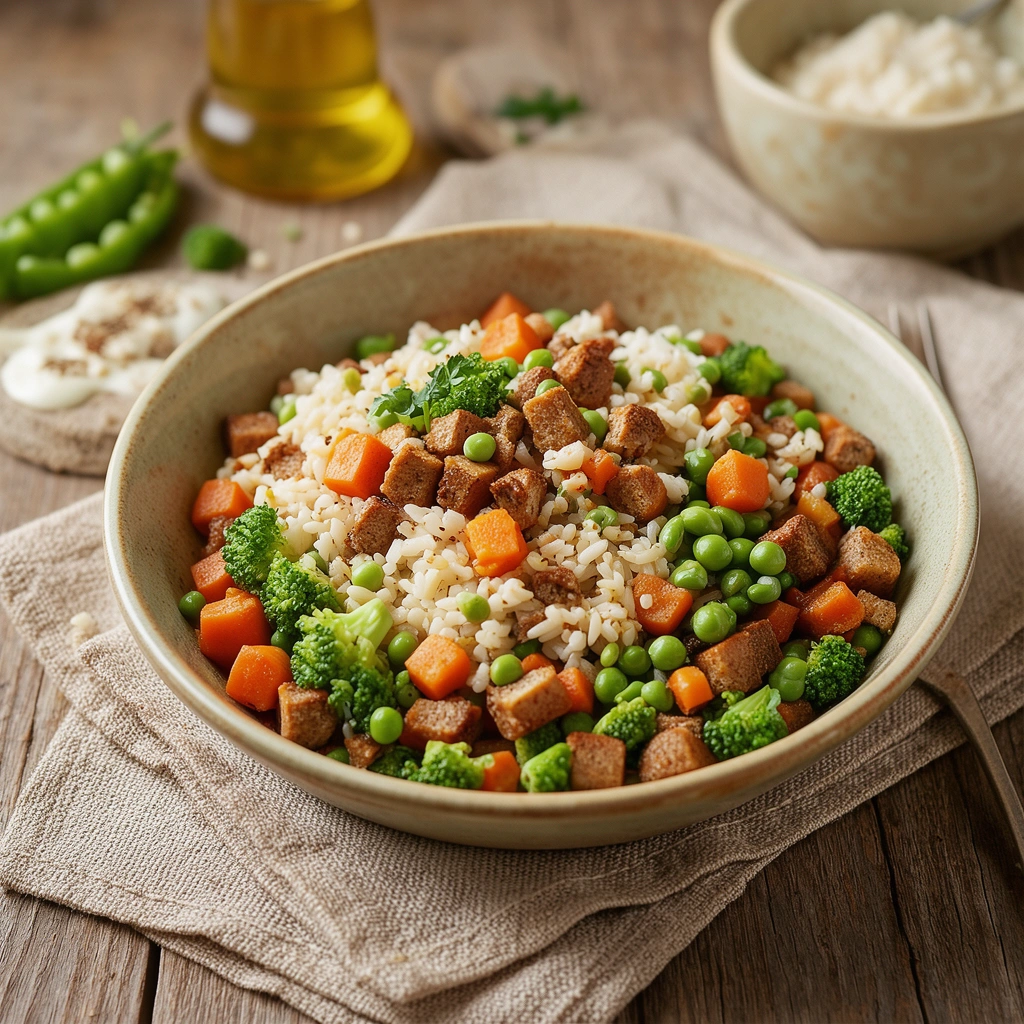
Hey friends! If you’ve ever wondered about feeding your furry pal homemade dog food, you’re in the right place. I’m here to share with you the most accurate, trustworthy info to make healthy, delicious meals your dog will love—and that you can feel good about serving.
So, what exactly is healthy homemade dog food? It’s a balanced, nutrient-rich meal made from whole, natural ingredients tailored to your dog’s dietary needs. This approach helps avoid additives and fillers found in some commercial dog foods, giving your dog wholesome nutrition and better health.
Stick around, because in this article, I’ll walk you through some top homemade dog food recipes, explain why they work, and share tips for making your dog’s meals both tasty and nutritious. Ready to make your dog’s dinner something special? Let’s dive in!
Why Choose Homemade Dog Food?
Homemade dog food offers you full control over what goes into your dog’s bowl. You can tailor meals to your dog’s specific health needs, allergies, and preferences. Unlike commercial dog food, which can contain preservatives, artificial colors, and fillers, homemade options rely on fresh, whole ingredients.
When making homemade dog food, the key is balance. Dogs need a mix of proteins, carbohydrates, fats, vitamins, and minerals to stay healthy. Paying attention to these ensures your dog gets all the nutrients they need. Plus, homemade meals can be adjusted for dogs of all ages and breeds.
The best part? You get to bond with your dog through cooking and feeding them meals made with love. Now, let’s explore some fantastic homemade dog food recipes that check all these boxes.
Understanding the Basics of Healthy Homemade Dog Food
Before diving into recipes, it’s essential to understand what makes dog food healthy and safe. Dogs require:
- Protein: For muscle maintenance and energy. Good sources include chicken, turkey, beef, and fish.
- Carbohydrates: For energy and fiber. Brown rice, sweet potatoes, and oats are excellent.
- Fats: For a shiny coat and brain function. Sources like fish oil, flaxseed oil, and chicken fat work well.
- Vitamins and Minerals: Essential for overall health. Vegetables like carrots, spinach, and peas provide these nutrients.
Avoid ingredients toxic to dogs such as onions, garlic, chocolate, grapes, and raisins. Also, steer clear of excessive salt, sugar, and processed foods.
As you prepare homemade meals, balance these ingredients carefully. Consulting your vet for your dog’s specific needs is always a smart move.
Classic Chicken and Rice Dog Food Recipe: Simple and Nutritious
Chicken and rice is a tried-and-true homemade dog food recipe that works wonders for digestion and overall health. It’s gentle on the stomach and packed with protein and easy-to-digest carbs.
Ingredients:
- 2 ½ cups cooked chicken, shredded (boneless, skinless)
- 1 ½ cups cooked brown rice
- 1 cup steamed carrots, chopped
- ½ cup peas (fresh or frozen)
- 1 tablespoon fish oil (optional for omega-3s)
Health Benefits:
Chicken provides lean protein essential for muscle repair. Brown rice offers fiber and energy. Carrots and peas add antioxidants, vitamins, and fiber. Fish oil supports skin and coat health.
Practical Tip:
Cook all ingredients plainly—no seasoning or oil. Introduce the new food gradually to your dog’s diet to avoid stomach upset.
This recipe suits dogs of all sizes and ages, especially those with sensitive stomachs or food allergies. Next, we’ll explore a more protein-rich option for active dogs.
Beef and Vegetable Medley: Protein-Packed and Flavorful
If your dog loves a hearty meal, beef and vegetable medley is a great choice. It delivers robust protein and a variety of nutrients from fresh veggies.
Ingredients:
- 3 cups lean ground beef, cooked and drained
- 1 ½ cups cooked quinoa or brown rice
- 1 cup chopped green beans
- 1 cup chopped sweet potatoes (cooked)
- 1 tablespoon olive oil
Health Benefits:
Beef is rich in iron and protein, supporting energy and muscle health. Quinoa provides complete protein and fiber. Sweet potatoes are excellent for digestion and vitamin A. Olive oil adds healthy fats and antioxidants.
Practical Tip:
Ensure all vegetables are chopped finely or pureed for easier digestion, especially in smaller dogs.
This recipe works well for active dogs needing extra protein and energy, fitting both traditional and modern home feeding styles.
Turkey and Pumpkin Stew: Immune Boosting and Digestive Health
Turkey and pumpkin stew combines lean protein and fiber-rich pumpkin for a tasty, gut-friendly meal.
Ingredients:
- 3 cups ground turkey, cooked
- 1 cup pureed pumpkin (not pie filling)
- 1 cup cooked barley or brown rice
- ½ cup chopped spinach or kale
- 1 tablespoon coconut oil
Health Benefits:
Turkey provides lean protein with less fat. Pumpkin is high in fiber and antioxidants, easing digestion. Leafy greens like spinach offer vitamins and minerals. Coconut oil supports skin health and immunity.
Practical Tip:
Use fresh or frozen greens, and cook them lightly to retain nutrients.
This stew is perfect for dogs with sensitive digestion or those recovering from illness. Let’s move on to a recipe with a fishy twist that’s great for skin and coat.
Salmon and Sweet Potato Delight: Omega-3 Rich Meal for a Shiny Coat
Salmon and sweet potato make a tasty, nutrient-dense meal rich in omega-3 fatty acids essential for skin, coat, and brain health.
Ingredients:
- 2 cups cooked salmon (deboned)
- 1 ½ cups cooked sweet potato, mashed
- 1 cup steamed broccoli florets
- ½ cup cooked peas
- 1 teaspoon flaxseed oil
Health Benefits:
Salmon is an excellent source of omega-3s and protein. Sweet potatoes provide complex carbs and fiber. Broccoli and peas add vitamins C and K, along with antioxidants.
Practical Tip:
Always remove all bones from fish before serving. Serve at room temperature for best flavor.
This recipe suits dogs with dry or itchy skin and those needing brain-supporting nutrients. Next, we’ll look at a vegetarian option ideal for dogs with meat allergies.
Lentil and Vegetable Mix: A Plant-Based Powerhouse
For dogs sensitive to meat or on a vegetarian diet, lentils and vegetables provide plenty of protein, fiber, and vitamins.
Ingredients:
- 2 cups cooked lentils
- 1 cup cooked quinoa
- 1 cup chopped carrots
- 1 cup chopped zucchini
- 1 tablespoon olive oil
Health Benefits:
Lentils are a great protein source packed with fiber and iron. Quinoa adds complete protein and essential amino acids. Carrots and zucchini offer antioxidants and support digestion.
Practical Tip:
Rinse lentils well before cooking to reduce gas and bloating.
This recipe works well for dogs with meat allergies and owners seeking sustainable meal options. Let’s round out with a recipe packed with superfoods.
Superfood Dog Meal: Kale, Blueberries, and Chicken Power Bowl
This superfood bowl combines nutrient-dense ingredients to boost immunity, energy, and overall health.
Ingredients:
- 2 cups shredded cooked chicken
- 1 cup cooked brown rice
- ½ cup chopped kale (lightly steamed)
- ½ cup blueberries (fresh or frozen)
- 1 tablespoon chia seeds
Health Benefits:
Chicken offers lean protein. Kale provides vitamins A, C, and K plus antioxidants. Blueberries are rich in antioxidants. Chia seeds add omega-3 fatty acids and fiber.
Practical Tip:
Add blueberries fresh or thawed, never frozen solid, to avoid choking hazards.
This meal suits dogs needing an immune boost and fits well in both modern and traditional feeding styles.
Tips for Transitioning Your Dog to Homemade Food
Switching your dog’s diet requires care. Sudden changes can upset their stomach. Here’s how to do it smoothly:
- Start by mixing 25% homemade food with 75% current food.
- Gradually increase the homemade portion over 7-10 days.
- Watch for any signs of digestive upset.
- Keep fresh water available at all times.
Consult your vet before major diet changes, especially if your dog has health issues.
Storing and Serving Homemade Dog Food Safely
Safety is key when preparing homemade meals:
- Store cooked food in airtight containers in the fridge for up to 3 days.
- Freeze portions for longer storage and thaw before serving.
- Avoid seasoning and additives that are harmful to dogs.
- Serve meals at room temperature for best acceptance.
These tips help keep your dog’s food fresh, tasty, and safe.
Balancing Homemade Dog Food with Supplements
Sometimes homemade meals need a nutritional boost. Common supplements include:
- Calcium: Important for bones. Use ground eggshells or supplements.
- Fish oil: For omega-3 fatty acids.
- Multivitamins: To cover any missing nutrients.
Check with your vet before adding supplements to ensure the right dosage and necessity.
Conclusion
Making healthy homemade dog food is a rewarding way to care for your furry friend. With balanced recipes like chicken and rice, beef medley, or salmon delight, your dog gets fresh, nutritious meals without harmful additives. Remember to transition gradually and consult your vet to meet your dog’s unique needs.
Feeding homemade food means you’re giving your dog the best—nutrient-rich, delicious meals made just for them. Start with these recipes, tweak as needed, and watch your dog thrive!
Thanks for sticking with me! If you want to learn more about dog nutrition or specialty diets, keep exploring—your dog’s health is worth it. And remember, healthy homemade dog food is one of the best gifts you can give your loyal companion.