
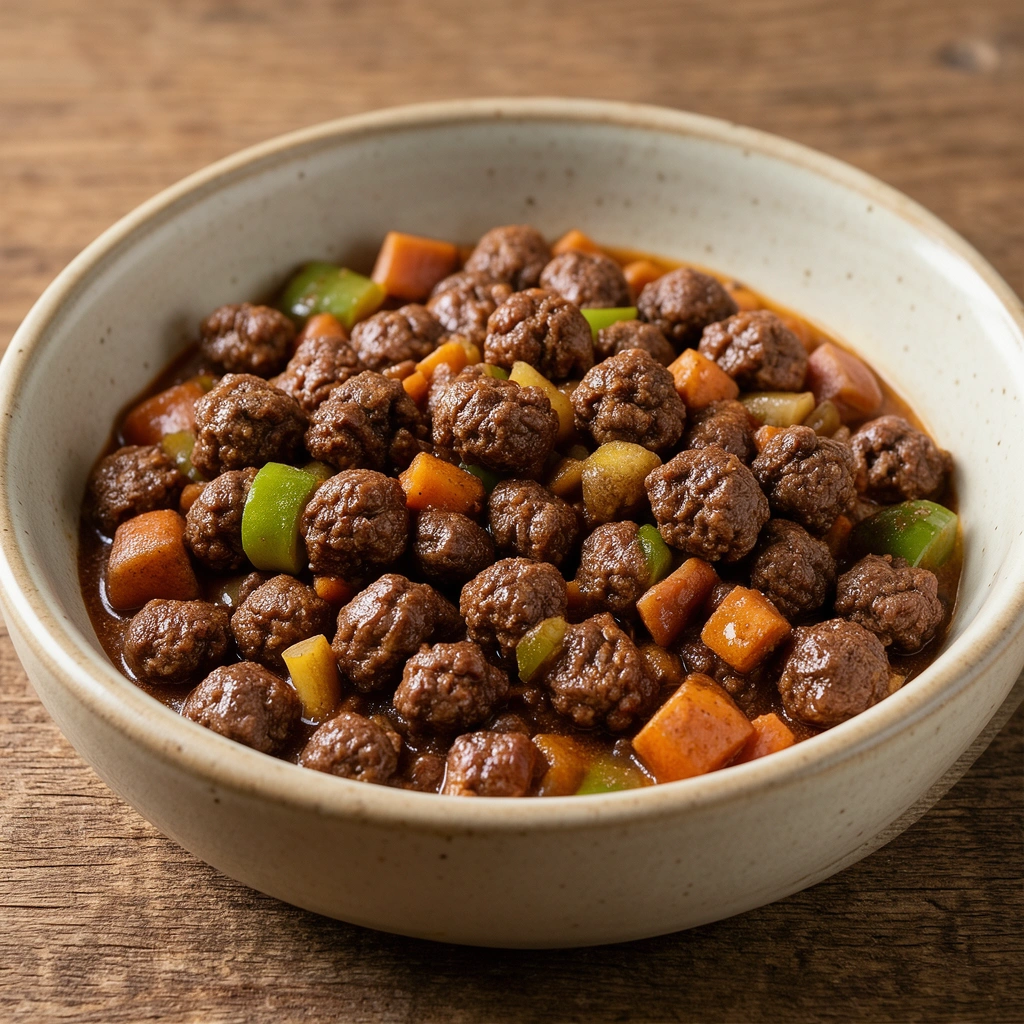
Hey friends, if you’ve ever wondered about making homemade beef dog food, you’re in the right place. I’ve spent years researching and testing recipes to ensure that your furry friend gets the best nutrition without any guesswork. I’m here to give you the most accurate and reliable information on this topic.
So, what exactly is homemade beef dog food? Simply put, it’s a dog meal you prepare yourself using fresh beef and other wholesome ingredients tailored to meet your dog’s dietary needs. This approach offers control over quality, avoids fillers found in commercial food, and can be customized for your dog’s health.
Stick around, and I’ll walk you through everything—from the benefits to recipes, ingredient choices, preparation tips, and how to balance your dog’s diet properly. Let’s dive into making your dog’s meals both delicious and healthy!
Why Choose Homemade Beef Dog Food?
Making homemade beef dog food is more than just cooking meat for your dog. It’s about providing a balanced, wholesome meal tailored to your pet’s unique needs. Unlike many commercial dog foods that often contain fillers, artificial flavors, and preservatives, homemade meals let you control every ingredient.
Beef is a rich source of high-quality protein, essential amino acids, and important nutrients like iron and zinc, which are vital for your dog’s muscle health and immune system. When combined with the right vegetables and grains, it creates a well-rounded diet that supports energy, digestion, and overall wellness.
Plus, preparing food at home means you can accommodate allergies, sensitivities, or specific health conditions by adjusting ingredients. It’s a flexible, rewarding way to care for your dog, and it often leads to happier, healthier pets.
Understanding Your Dog’s Nutritional Needs
Before you start cooking, it’s crucial to understand what your dog needs nutritionally. Dogs require a balance of protein, fats, carbohydrates, vitamins, and minerals for optimal health. Protein (like beef) supports muscle and tissue repair, fats provide energy and help absorb vitamins, carbohydrates offer fiber for digestion, and vitamins and minerals keep bodily functions running smoothly.
Dogs also need specific amino acids like taurine and arginine, which are abundant in meat. However, some nutrients like calcium and certain vitamins might need to be supplemented depending on your recipe.
Knowing these basics helps you create meals that won’t just fill your dog up but promote long-term health. Keep this in mind as we explore recipes and tips ahead.
What You Need to Know Before Making Homemade Beef Dog Food
Making homemade beef dog food isn’t just about tossing some meat and veggies together. You need to ensure your dog gets all necessary nutrients in the right amounts. This includes understanding safe ingredients, avoiding toxic ones, and balancing meals properly.
Also, consider your dog’s age, size, activity level, and any health issues. Puppies, adults, and senior dogs have different dietary requirements. For example, puppies need more calories and calcium, while seniors may require easily digestible meals.
Lastly, consult your vet before switching to homemade food. They can help you tailor recipes, recommend supplements, and monitor your dog’s health during the transition.
How to Make Homemade Beef Dog Food: Key Ingredients and Tips
Let’s chat about the core components of a great homemade beef dog food recipe. We’ll break down the essential ingredients and how to choose the best ones for your furry friend.
Beef (Protein Source):
Choose lean cuts like ground beef, beef chuck, or stew meat. Avoid fatty or processed beef to prevent excess fat intake. Beef provides protein and essential amino acids vital for muscle health and energy.
Vegetables:
Carrots, green beans, peas, and sweet potatoes are excellent choices. They add fiber, vitamins, and antioxidants. Avoid onions, garlic, and chives, which are toxic to dogs.
Carbohydrates:
Brown rice, oatmeal, and quinoa can supply energy and fiber. These complex carbs help with digestion and keep your dog feeling full longer.
Fats:
Healthy fats like fish oil or flaxseed oil boost coat health and provide essential fatty acids. Beef naturally contains fats, but supplementation may be necessary for omega-3s.
Supplements:
Calcium is crucial since homemade meals often lack bones. Use bone meal powder or ground eggshells. Multivitamins designed for dogs can fill any nutritional gaps.
Practical Tips:
- Use fresh, high-quality ingredients.
- Cook beef thoroughly to kill bacteria.
- Steam or boil vegetables to aid digestion.
- Avoid seasoning or salt; dogs don’t need it.
- Store cooked food properly in airtight containers in the fridge or freezer.
Next, we’ll explore specific recipes that put these ingredients to work for your dog.
Classic Homemade Beef and Vegetable Dog Food Recipe
This recipe nails the balance between protein, carbs, and veggies, making it a perfect everyday meal for most adult dogs.
Why it Works:
It combines lean beef with fibrous veggies and wholesome carbs, providing a full spectrum of nutrients. The fiber supports digestion, while the protein fuels muscles.
Ingredients:
- 2 ½ cups lean ground beef
- 1 cup brown rice
- 1 ½ cups chopped carrots
- 1 cup chopped green beans
- 1 tablespoon fish oil
- Calcium supplement (bone meal or eggshell powder)
Health Benefits:
- Protein for muscle maintenance
- Fiber-rich veggies for gut health
- Omega-3 fatty acids for skin and coat
- Balanced carbs for energy
Cooking Instructions:
- Cook brown rice according to package instructions.
- In a large pan, brown the ground beef thoroughly.
- Steam carrots and green beans until soft.
- Mix beef, rice, and veggies in a large bowl.
- Add fish oil and calcium supplement, stir well.
- Let cool before serving.
Practical Tip:
Make multiple portions and freeze them in dog-sized servings for convenience. Always thaw completely before feeding.
This recipe suits most dog breeds and can be adapted by swapping veggies or adjusting portion sizes based on your dog’s needs.
Beef and Sweet Potato Stew: A Gourmet Twist for Your Dog
If you want to treat your dog to a hearty, flavorful meal, this beef and sweet potato stew is a winner. It’s especially good for dogs with sensitive digestion.
Why it Works:
Sweet potatoes are gentle on the stomach and packed with vitamin A and fiber. Combined with beef and a few veggies, this stew supports digestive health and boosts immunity.
Ingredients:
- 3 cups lean beef stew meat, cubed
- 2 cups peeled and diced sweet potatoes
- 1 cup chopped spinach
- 1 cup peas
- 1 tablespoon olive oil
- Calcium supplement
Health Benefits:
- High antioxidant content from sweet potatoes and spinach
- Protein for muscle repair
- Healthy fats for energy and coat shine
- Vitamins and minerals for immune support
Cooking Instructions:
- Brown beef cubes in olive oil over medium heat.
- Add sweet potatoes, spinach, and peas to the pot.
- Pour in enough water to cover ingredients.
- Simmer for 30-40 minutes until beef is tender and vegetables are soft.
- Stir in calcium supplement and cool before serving.
Practical Tip:
Use bone broth instead of water for extra flavor and nutrition. Just ensure it’s low sodium and free of onions or garlic.
This stew works well for dogs with allergies to grains or common fillers and can be adjusted for senior dogs by mashing the ingredients for easier eating.
Beef and Quinoa Medley: Protein-Packed and Gluten-Free
Quinoa is a fantastic grain substitute that’s gluten-free and rich in essential amino acids, complementing beef’s protein profile perfectly.
Why it Works:
This recipe combines two powerhouse proteins—beef and quinoa—offering a highly digestible and nutrient-dense meal. It’s especially good for dogs with grain sensitivities.
Ingredients:
- 2 cups ground lean beef
- 1 cup cooked quinoa
- 1 cup diced zucchini
- 1 cup chopped kale
- 1 tablespoon flaxseed oil
- Calcium supplement
Health Benefits:
- Complete protein from quinoa and beef
- Antioxidants and vitamins from kale and zucchini
- Omega-3 fatty acids for joint and coat health
- Fiber for digestion
Cooking Instructions:
- Cook quinoa as per package instructions.
- Brown ground beef in a skillet.
- Steam zucchini and kale until tender.
- Combine all ingredients in a bowl, add flaxseed oil and calcium.
- Mix well and serve once cooled.
Practical Tip:
Introduce quinoa gradually to your dog’s diet to ensure no digestive upset. This dish is great for active dogs needing extra protein and energy.
This medley suits dogs with dietary restrictions and those requiring a balanced, hypoallergenic meal option.
Important Considerations When Feeding Homemade Beef Dog Food
While homemade beef dog food has many benefits, there are important factors to keep in mind to ensure your dog stays healthy.
Balanced Nutrition:
Homemade meals must meet all your dog’s nutrient requirements. Deficiencies in calcium, vitamins, or fatty acids can lead to serious health problems over time. Consult a vet or canine nutritionist to develop a balanced diet plan.
Food Safety:
Always cook beef thoroughly to avoid bacterial infections like salmonella. Use fresh ingredients and store food properly. Avoid ingredients toxic to dogs such as onions, garlic, grapes, and chocolate.
Transitioning:
Switch your dog gradually to homemade food over 7-10 days to prevent digestive upset. Mix increasing amounts of homemade food with their regular diet.
Portion Control:
Adjust portions based on your dog’s weight, age, and activity level. Overfeeding can cause obesity, while underfeeding leads to malnutrition.
Regular Vet Checks:
Schedule routine vet visits to monitor your dog’s health and adjust dietary plans as needed.
How to Store and Serve Homemade Beef Dog Food Safely
Preparing homemade dog food in bulk is convenient but requires proper storage to maintain freshness and safety.
- Refrigeration: Store cooked meals in airtight containers in the fridge for up to 3 days.
- Freezing: Portion meals for freezing in single servings. Use freezer-safe containers or bags and label with dates. Freeze for up to 3 months.
- Thawing: Thaw frozen meals overnight in the fridge or use a microwave on the defrost setting. Serve at room temperature.
- Serving: Always stir the food well before serving to redistribute fats and nutrients.
Avoid leaving homemade food out for more than 2 hours to prevent bacterial growth.
Common Questions About Homemade Beef Dog Food
Q: Can all dogs eat beef-based homemade food?
A: Most dogs can, but those with beef allergies or sensitivities should avoid it. Consult your vet if unsure.
Q: How often should I feed homemade beef dog food?
A: Typically, twice a day for adult dogs. Puppies may require 3-4 meals daily.
Q: Can I use raw beef in homemade dog food?
A: Raw diets are controversial and carry risks of pathogens. Always consult a vet before feeding raw meat.
Q: What if my dog refuses homemade food?
A: Try mixing it with their regular food gradually or adding tasty toppings like a small amount of broth.
Final Thoughts on Homemade Beef Dog Food
Making homemade beef dog food is a fantastic way to take control of your dog’s nutrition and health. It allows you to serve fresh, wholesome meals tailored to your dog’s needs and preferences. With the right balance of ingredients and careful preparation, you can support your dog’s longevity and happiness.
Remember, always consult your veterinarian before making significant dietary changes and monitor your dog’s health regularly. Homemade beef dog food isn’t just food; it’s a labor of love that can bring great rewards.
Give it a try today—you and your dog will love the results!
Thanks for reading my comprehensive guide on homemade beef dog food. If you found this helpful, stay tuned for more recipes and tips to keep your furry friend happy and healthy.