
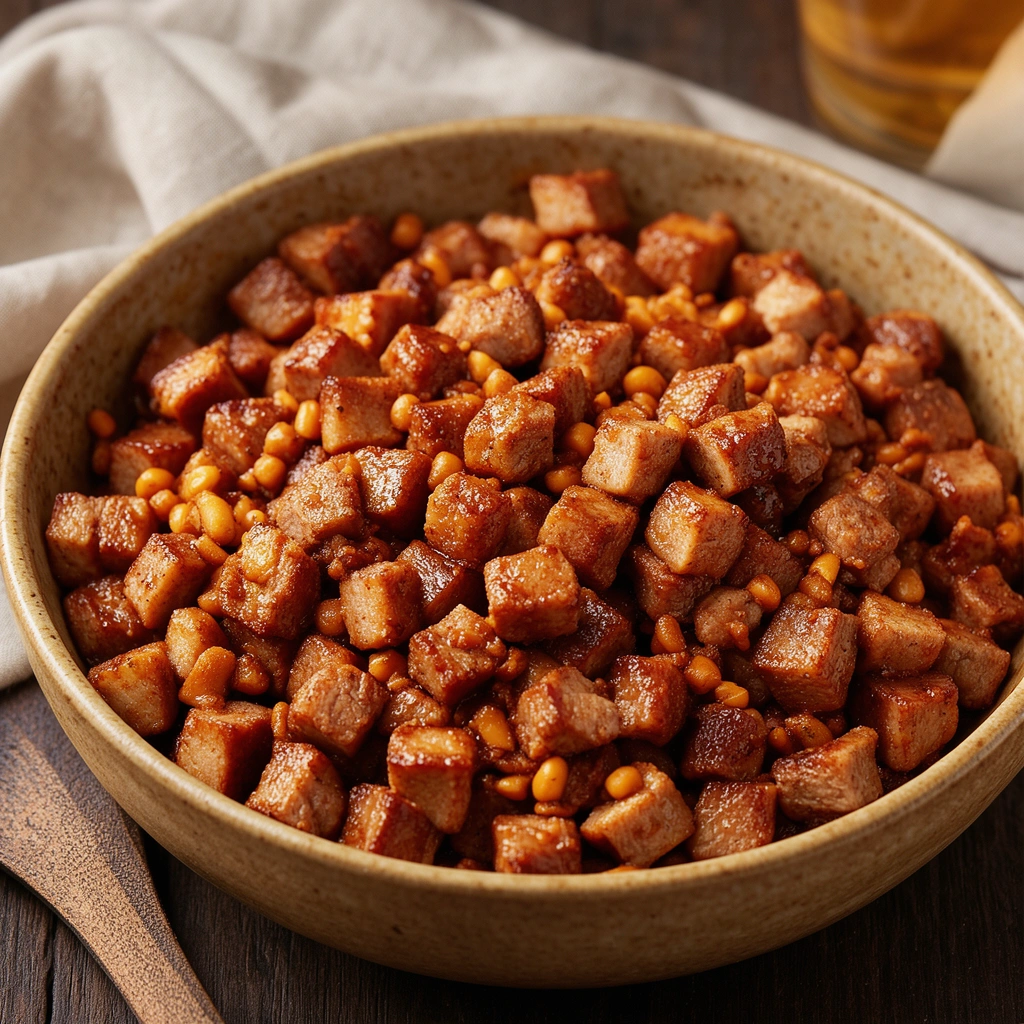
Hey friends, if you’ve ever wondered whether pork dog food is a good choice for your furry buddy, you’re in the right place. I’ve spent a lot of time researching and testing different dog food options, and I’m here to give you the clearest, most accurate info on pork as a dog food ingredient.
So, what is pork dog food all about? Simply put, pork dog food is a type of dog diet that includes pork meat or pork-based ingredients as a primary protein source. It can be found in dry kibble, canned food, or homemade recipes and is often praised for its rich taste and nutritional profile.
Ready to find out if pork dog food is right for your pooch, what benefits it offers, and how to serve it safely? Keep reading as we dive into everything you need to know about feeding pork to dogs.
What Is Pork Dog Food and Why Choose It?
Pork dog food refers to any dog food product where pork is the main meat ingredient. It can come as fresh pork, pork meal, or pork by-products, and is used in both commercial and homemade dog diets. Pork provides a rich source of high-quality protein that supports muscle growth, repair, and overall energy.
Choosing pork dog food can be a great option for dogs with allergies or sensitivities to more common proteins like chicken or beef. Pork is often well-tolerated and offers a different flavor profile that many dogs find irresistible. Plus, it’s rich in essential nutrients like B vitamins, iron, zinc, and fatty acids.
When picking pork dog food, always check for quality. Look for products with named pork cuts (like pork loin or pork shoulder) rather than vague “pork by-products.” Also, consider the balance of other nutrients to ensure a complete diet.
If you want to explore more on how pork fits into your dog’s diet, keep reading for benefits, risks, and recipe ideas.
Nutritional Benefits of Pork for Dogs
Pork is packed full of nutrients that dogs need to stay healthy. Here’s what makes pork a solid protein choice:
- High-Quality Protein: Supports muscle maintenance and growth.
- B Vitamins: Especially B1 (thiamine), B6, and B12, which aid metabolism and nervous system health.
- Minerals: Iron helps transport oxygen in blood, zinc supports immune function, and phosphorus is crucial for bones.
- Fat Content: Provides energy and helps absorb fat-soluble vitamins A, D, E, and K.
- Amino Acids: Contains all essential amino acids dogs require.
Feeding pork can boost your dog’s energy levels, aid in their coat health, and maintain strong muscles. It’s especially useful for active dogs or those recovering from illness.
However, pork’s fat content can vary—lean cuts are best to avoid excess calories or digestive upset. Also, pork contains thiaminase enzymes that destroy vitamin B1, so it should be cooked properly to neutralize these enzymes.
Next, we’ll look at how to safely prepare pork dog food at home.
Is Pork Safe for Dogs? Common Concerns and Precautions
Many dog parents worry if pork is safe to feed. The good news is, yes, pork can be safe and healthy when prepared correctly. Here are key safety tips:
- Cook Thoroughly: Raw or undercooked pork may contain parasites like Trichinella spiralis, which causes trichinosis. Cooking pork to at least 145°F (63°C) kills harmful parasites and bacteria.
- Avoid Seasoning: Never feed pork with added salt, garlic, onions, or spices that can harm dogs.
- Lean Cuts Are Better: Trim visible fat to prevent pancreatitis or digestive upset.
- Watch for Allergies: Some dogs may be allergic or sensitive to pork protein. Introduce it slowly and monitor reactions.
- Avoid Processed Pork: Bacon, ham, and sausages often contain additives and high sodium—keep those off your dog’s menu.
By following these precautions, pork can be a safe, nutritious part of your dog’s meals. Next, I’ll share some tasty homemade pork dog food recipes you can try.
Homemade Pork Dog Food: Easy and Nutritious Recipes
Making pork dog food at home lets you control ingredients and ensure freshness. Here are three simple recipes that work great for dogs of all sizes.
1. Pork and Rice Delight
This recipe balances protein and carbs for energy and digestion.
Ingredients:
- 1 lb lean pork loin, diced
- 1 cup cooked brown rice
- 1/2 cup chopped carrots
- 1/2 cup green beans, chopped
- 1 tbsp olive oil
Instructions:
- Cook pork pieces in a pan with olive oil until fully cooked.
- Steam carrots and green beans until tender.
- Mix pork, rice, and veggies together.
- Let cool before serving.
Health Benefits:
- Lean pork provides protein without excess fat.
- Brown rice is a great source of fiber and energy.
- Veggies add vitamins and antioxidants.
Tip: Add a teaspoon of fish oil occasionally for omega-3 fatty acids to support coat and joint health.
2. Pork and Sweet Potato Stew
Sweet potatoes are gentle on digestion and rich in vitamins.
Ingredients:
- 1 lb ground pork
- 1 large sweet potato, peeled and diced
- 1/2 cup peas
- 1/2 cup pumpkin puree
- 1 tsp turmeric powder
Instructions:
- Brown ground pork in a pan.
- Boil sweet potatoes until soft.
- Mix pork, sweet potato, peas, and pumpkin puree in a pot.
- Simmer for 10 minutes, then stir in turmeric.
- Cool and serve.
Health Benefits:
- Sweet potatoes provide fiber and beta-carotene.
- Pumpkin supports digestion.
- Turmeric has anti-inflammatory properties.
Tip: Turmeric enhances immune function but use sparingly to avoid stomach upset.
3. Pork and Quinoa Power Bowl
Quinoa is a complete protein and great for dogs with grain sensitivities.
Ingredients:
- 1 lb pork shoulder, cubed
- 1 cup cooked quinoa
- 1/2 cup chopped spinach
- 1/4 cup blueberries
Instructions:
- Cook pork cubes thoroughly.
- Rinse and cook quinoa as per package.
- Lightly steam spinach.
- Combine pork, quinoa, spinach, and blueberries.
- Serve once cooled.
Health Benefits:
- Quinoa offers protein and essential amino acids.
- Blueberries provide antioxidants.
- Spinach adds iron and vitamins.
Tip: Rotate ingredients with other veggies to keep meals interesting.
Commercial Pork Dog Food: What to Look For
If homemade isn’t your thing, commercial pork dog food can be a convenient option. Here’s what to check:
- Named Pork Sources: Look for “pork,” “pork meal,” or “pork liver” in the ingredient list.
- Complete and Balanced: Ensure the food meets AAFCO standards for your dog’s life stage.
- Minimal Fillers: Avoid excessive corn, wheat, or soy.
- No Artificial Additives: Skip foods with artificial colors, flavors, or preservatives.
- Grain-Free vs. Grain-Inclusive: Choose based on your dog’s needs and allergies.
- Reputable Brands: Pick brands with transparent sourcing and quality control.
Commercial pork dog food can offer balanced nutrition and convenience but always double-check labels and consult your vet.
Are There Any Risks Feeding Pork Dog Food?
While pork is tasty and nutritious, some risks exist:
- Pancreatitis: High fat pork cuts can trigger pancreatitis in sensitive dogs.
- Allergic Reactions: Some dogs develop allergies to pork protein.
- Digestive Upset: Sudden introduction or spoiled pork can cause vomiting or diarrhea.
- Parasites: Raw pork can harbor parasites if not cooked properly.
To minimize risks:
- Transition slowly to pork-based foods.
- Use lean cuts and cook thoroughly.
- Monitor your dog’s health and consult your vet if unsure.
Pork Dog Food for Dogs with Allergies
Pork dog food is often recommended for dogs allergic to chicken or beef. Pork is considered a novel protein for many dogs, meaning it’s less likely to cause allergic reactions.
When switching to pork for allergies:
- Confirm allergy through vet testing.
- Introduce pork slowly to avoid digestive upset.
- Use limited ingredient diets focused on pork and a single carbohydrate source.
- Avoid cross-contamination with other proteins.
Pork-based diets can improve skin health, reduce itching, and support overall well-being in allergic dogs.
How to Transition Your Dog to Pork Dog Food
Switching your dog’s diet requires patience to avoid tummy troubles. Here’s a simple 7-day plan:
- Days 1-2: Mix 25% pork dog food with 75% old food.
- Days 3-4: Mix 50% pork dog food with 50% old food.
- Days 5-6: Mix 75% pork dog food with 25% old food.
- Day 7: Serve 100% pork dog food.
Watch for any signs of allergies or digestive issues during the transition. If problems occur, slow down or consult your vet.
Storing and Serving Pork Dog Food Safely
To keep pork dog food fresh and safe:
- Store homemade pork dog food in airtight containers in the fridge for up to 3 days.
- Freeze portions for longer storage (up to 3 months).
- Avoid leaving pork food out at room temperature for more than 2 hours.
- Always wash hands and surfaces after handling raw pork.
- Serve pork dog food at room temperature to avoid stomach upset.
Proper storage ensures your dog gets all the benefits of pork without risking foodborne illnesses.
Frequently Asked Questions About Pork Dog Food
Is pork a good protein for dogs?
Yes. Pork is a high-quality protein rich in essential nutrients, suitable for most dogs when cooked properly.
Can dogs eat raw pork?
It’s not recommended due to risk of parasites and bacteria. Always cook pork thoroughly before feeding.
Is pork better than chicken or beef for dogs?
It depends on your dog’s needs and allergies. Pork can be a great alternative for dogs allergic to common proteins.
How much pork can I feed my dog?
Pork should be part of a balanced diet. Typically, protein should make up 18-30% of your dog’s daily calories, but consult your vet for personalized advice.
Conclusion
Pork dog food is an excellent protein choice for many dogs, especially those with allergies or looking for variety in their meals. It offers rich nutrition, delicious flavor, and can be safely included in both homemade and commercial diets when prepared correctly.
Remember to choose lean cuts, cook pork thoroughly, and introduce it gradually to your dog’s diet. Whether you go for homemade recipes or trusted commercial options, pork can keep your dog happy, healthy, and full of energy.
So next time you’re shopping or cooking for your dog, consider pork dog food as a nutritious and tasty option that your furry friend will love.