
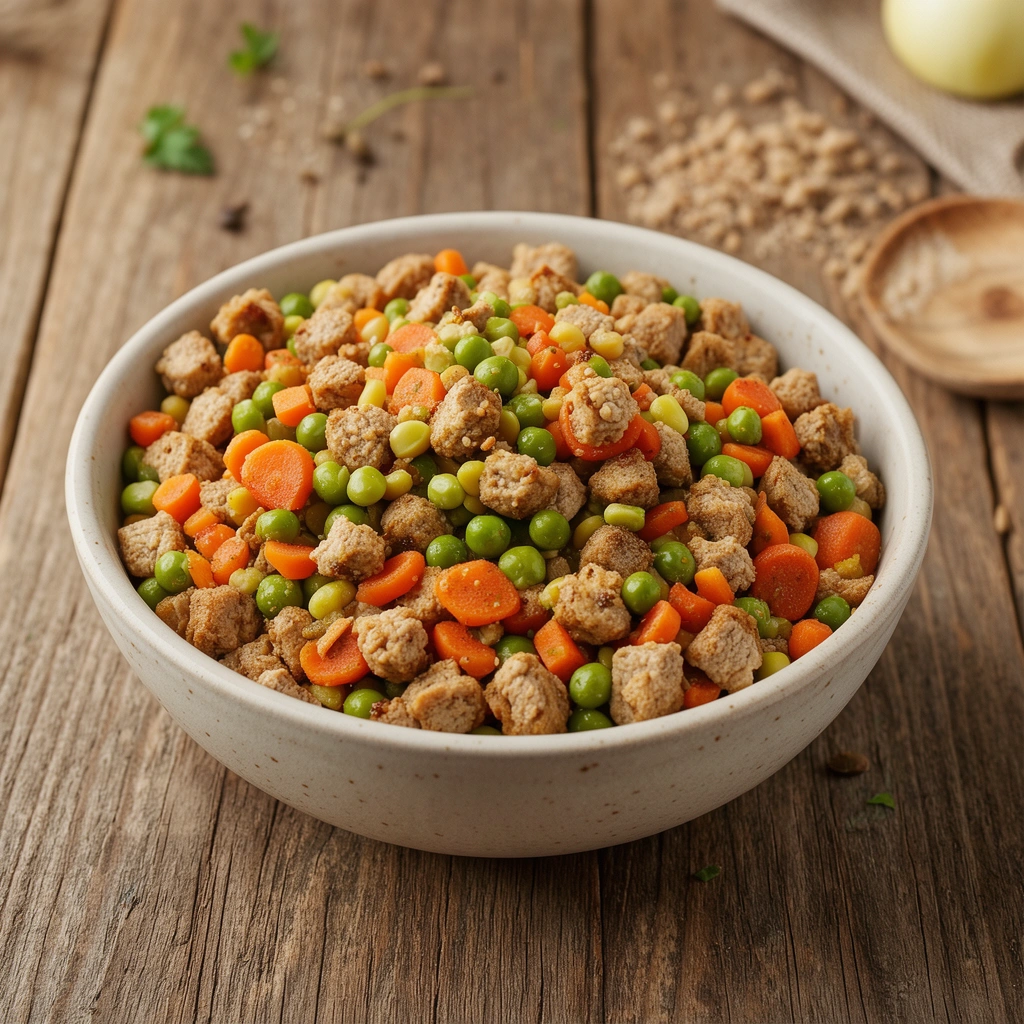
When it comes to feeding our dogs, I know how important it is to find the most accurate and trustworthy information. You want to provide your pup with the best nutrition possible, and I’m here to guide you through all the essentials of home cooked dog food. Together, we’ll explore everything from basic benefits to the nitty-gritty of safe, balanced recipes.
So, what exactly is home cooked dog food? It simply means preparing meals for your dog using fresh, whole ingredients instead of commercial kibble or canned food. This approach can offer tailored nutrition, better ingredient control, and often greater palatability for your furry friend.
In this guide, I’ll walk you through the benefits, key nutrients, common pitfalls to avoid, and simple recipes you can try at home. Let’s dive in and make mealtime healthier and happier for your dog!
Why Choose Home Cooked Dog Food?
Many dog owners ask: Why should I bother with home cooked dog food when commercial options are so convenient? The truth is, cooking for your dog gives you control over every ingredient. You can avoid preservatives, fillers, and allergens that might be in mass-produced products.
Home cooking allows you to customize meals to your dog’s specific health needs, age, and preferences. For example, if your dog has allergies or digestive sensitivities, you can tailor recipes without guesswork. Plus, fresh food often tastes better, encouraging picky eaters to enjoy their meals.
Choosing home cooked dog food also means you’re involved in more than just feeding—you’re actively contributing to your dog’s wellbeing. This connection can improve your bond and give you peace of mind about what your dog consumes daily.
Understanding the Basics of Balanced Dog Nutrition
Before you start cooking, it’s crucial to understand what makes a meal balanced for dogs. Dogs need a mix of protein, fats, carbohydrates, vitamins, and minerals to thrive. Unlike humans, dogs require a higher proportion of protein and fat, with carbohydrates playing a smaller but still useful role.
Proteins supply essential amino acids for muscle, skin, and coat health. Healthy fats provide energy and support brain and skin function. Carbohydrates offer fiber and energy but should not dominate the diet. Vitamins and minerals are vital for immune health, bone growth, and cellular functions.
Balancing these nutrients can be tricky without proper guidance. That’s why consulting a vet or a canine nutritionist before drastically changing your dog’s diet is highly recommended. They can help you avoid deficiencies or excesses that could harm your dog.
Getting Started with Home Cooked Dog Food: What You Need to Know
Starting to cook for your dog may feel overwhelming at first, but it’s simpler than you think. You’ll need basic kitchen tools like pots, pans, and measuring cups — plus some knowledge about ingredients that are safe for dogs.
Remember, some human foods are toxic to dogs (like onions, garlic, chocolate, grapes, and certain artificial sweeteners), so always double-check before adding something new. Always prioritize fresh, whole foods over processed items.
Planning meals in advance helps maintain consistency and ensures your dog gets all necessary nutrients. Keep track of portion sizes based on your dog’s weight, activity level, and age. Routine and predictability will help your dog adjust to the new diet smoothly.
The Core Components of a Healthy Home Cooked Dog Meal
A balanced dog meal typically includes:
- Protein: Chicken, turkey, beef, lamb, fish, eggs
- Carbohydrates: Brown rice, sweet potatoes, quinoa, oats
- Vegetables: Carrots, green beans, pumpkin, spinach (cooked or steamed)
- Fats: Olive oil, fish oil, flaxseed oil (in moderation)
- Supplements: Calcium (eggshell powder or bone meal), vitamins as advised by your vet
Each component plays a specific role in your dog’s health:
| Component | Role in Dog’s Health |
|---|---|
| Protein | Muscle repair, growth, immune support |
| Carbs | Energy, fiber for digestion |
| Vegetables | Antioxidants, vitamins, minerals |
| Fats | Energy, healthy skin and coat, brain function |
| Supplements | Prevent nutrient deficiencies, promote bone health |
How to Safely Prepare Home Cooked Dog Food
Safety is key when preparing homemade meals for your dog. Here are some important tips:
- Cook all meats thoroughly to eliminate harmful bacteria.
- Avoid seasoning with salt, garlic, or onion powder, which are toxic to dogs.
- Wash vegetables thoroughly and cook them to improve digestibility.
- Store cooked food properly, refrigerate leftovers, and avoid moldy or spoiled ingredients.
- Introduce new foods gradually to monitor for allergies or sensitivities.
By following these precautions, you reduce the risk of foodborne illness and digestive upset.
The Importance of Portion Control and Meal Frequency
Unlike humans, dogs don’t need multiple snacks throughout the day if their meals are balanced and sufficient. Portion control depends on your dog’s size, breed, age, and activity level.
- Puppies require more frequent meals (3-4 times daily).
- Adult dogs usually do well with 2 meals a day.
- Senior dogs may need smaller, more frequent meals due to digestion changes.
Consult your vet for exact portion recommendations. Overfeeding can lead to obesity, while underfeeding causes nutrient deficiencies.
Common Mistakes to Avoid When Cooking for Your Dog
Many dog owners unintentionally make errors when switching to homemade meals. Here are the most common pitfalls:
- Unbalanced nutrition: Missing key nutrients like calcium or vitamins.
- Using toxic foods: Onion, garlic, grapes, chocolate, and artificial sweeteners.
- Improper cooking methods: Feeding raw meat without vet approval.
- Lack of variety: Feeding the same ingredients every day may cause deficiencies.
- Ignoring vet advice: Skipping professional guidance can risk your dog’s health.
Avoiding these mistakes ensures your dog’s diet supports long-term health and happiness.
Recipe Idea 1: Classic Chicken and Rice Delight
Chicken and rice is a tried-and-true recipe that works well for dogs with sensitive stomachs. It’s easy to digest and provides essential nutrients.
Chicken offers lean protein for muscle maintenance, while rice provides gentle carbohydrates for energy. Adding steamed carrots or green beans supplies fiber and vitamins. A teaspoon of olive oil adds healthy fats for a shiny coat.
Tip: Use boneless, skinless chicken breast and cook thoroughly. Avoid seasoning. Serve at room temperature.
This recipe is perfect for dogs recovering from illness or digestive upset and suits both traditional and modern home styles.
Recipe Idea 2: Beef and Sweet Potato Stew
This hearty stew combines nutrient-rich beef with sweet potatoes, a great source of fiber and antioxidants. Beef is an excellent source of iron and zinc, supporting immune function and energy levels.
Sweet potatoes provide complex carbs and beta-carotene, promoting eye and skin health. Adding peas or spinach boosts vitamin content. A dash of fish oil can enhance omega-3 fatty acids.
Tip: Chop ingredients into bite-sized pieces and simmer until tender. Store leftovers in airtight containers.
This robust meal suits active dogs or those needing extra calories, especially in colder months or more traditional homes.
Recipe Idea 3: Salmon and Quinoa Power Bowl
If you want to boost your dog’s omega-3 intake, salmon is a fantastic choice. Rich in healthy fats and protein, it supports brain and joint health.
Quinoa is a gluten-free grain packed with protein and fiber, making it an excellent alternative carbohydrate. Adding steamed broccoli or zucchini adds vitamins C and K.
Tip: Always cook salmon fully and remove all bones. Mix in a teaspoon of flaxseed oil for extra shine and digestion aid.
This recipe blends modern superfoods with balanced nutrition, great for dogs with allergies or sensitive digestion.
Recipe Idea 4: Turkey and Pumpkin Mash
Turkey is a lean protein that’s gentle on the stomach, ideal for dogs with allergies. Pumpkin adds fiber and helps regulate digestion, making this recipe great for dogs with constipation or diarrhea.
Add cooked green beans or carrots for antioxidants and vitamins A and C. A small amount of coconut oil can improve coat health.
Tip: Mash ingredients to a smooth consistency for easier eating, especially for senior dogs.
This comforting meal combines functional ingredients designed for gut health, fitting well in any home style.
Recipe Idea 5: Egg and Vegetable Scramble
Eggs are a powerhouse of protein and amino acids and can be a quick, easy meal for dogs. Combine scrambled eggs with chopped spinach, carrots, and a bit of cooked rice for a complete meal.
Egg yolks provide healthy fats and vitamins, while the vegetables offer fiber and antioxidants.
Tip: Avoid adding salt or seasoning. Cook eggs thoroughly to reduce risk of salmonella.
This simple recipe works well as a breakfast option or light meal, suitable for small breeds and puppies.
Supplementing Your Home Cooked Dog Food
Even a well-prepared home cooked meal might lack certain nutrients. Some common supplements include:
- Calcium: Bone meal powder or crushed eggshells to support bones and teeth.
- Fish Oil: For omega-3 fatty acids, improving coat and joint health.
- Multivitamins: Specifically formulated for dogs to fill nutrient gaps.
- Probiotics: To support digestion and immune function.
Always consult your vet before adding supplements to avoid overdosing or interactions.
Transitioning Your Dog to a Home Cooked Diet
Switching from commercial food to homemade meals should be gradual. Start by mixing small amounts of home cooked food with their regular kibble, increasing the homemade portion over 7-10 days.
Watch your dog closely for any signs of digestive upset or allergies, such as vomiting, diarrhea, or itchy skin. If issues arise, slow the transition or consult your vet.
Patience and observation will make the switch smoother and safer.
Storing and Preserving Home Cooked Dog Food
To keep your dog’s meals fresh and safe:
- Store leftovers in airtight containers in the fridge for up to 3 days.
- Freeze portions for up to 2 weeks to save time.
- Thaw frozen meals in the fridge overnight before serving.
- Avoid reheating food multiple times.
Proper storage prevents bacterial growth and nutrient loss.
How to Tailor Meals for Dogs with Special Health Conditions
Certain health issues require customized diets:
- Diabetes: Low carbohydrate, moderate protein, and high fiber.
- Kidney disease: Reduced protein, phosphorus, and sodium.
- Allergies: Limited ingredient diets avoiding common allergens.
- Obesity: Low calorie, high fiber meals with controlled fat.
Work closely with your vet or a veterinary nutritionist to design recipes that meet your dog’s medical needs while keeping them happy and nourished.
Frequently Asked Questions About Home Cooked Dog Food
Q: Can I feed my dog raw food instead of cooked?
A: Raw diets can be risky due to bacteria and parasites. Consult your vet before trying raw feeding.
Q: How do I know if my dog is getting all nutrients?
A: Regular vet checkups and blood tests can monitor your dog’s health and nutrient status.
Q: Can I use spices or herbs in dog food?
A: Most spices are unnecessary and some are harmful. Mild herbs like parsley can be used sparingly.
Final Thoughts on Home Cooked Dog Food
Switching to home cooked dog food is a rewarding journey that deepens your bond with your dog while providing optimal nutrition. By understanding the essentials of balanced meals, safe preparation, and portion control, you’ll empower yourself to make the best choices.
Remember, the key is consistency, variety, and professional guidance. With the recipes and tips shared here, you’re well on your way to cooking delicious, wholesome meals your dog will love.
Feeding home cooked dog food is not just a diet change—it’s a lifestyle upgrade for your furry friend’s health and happiness. Start today and watch your dog thrive!
Thank you for joining me on this comprehensive guide to home cooked dog food. I hope you feel confident and inspired to cook nourishing meals that keep your dog healthy and happy for years to come.