
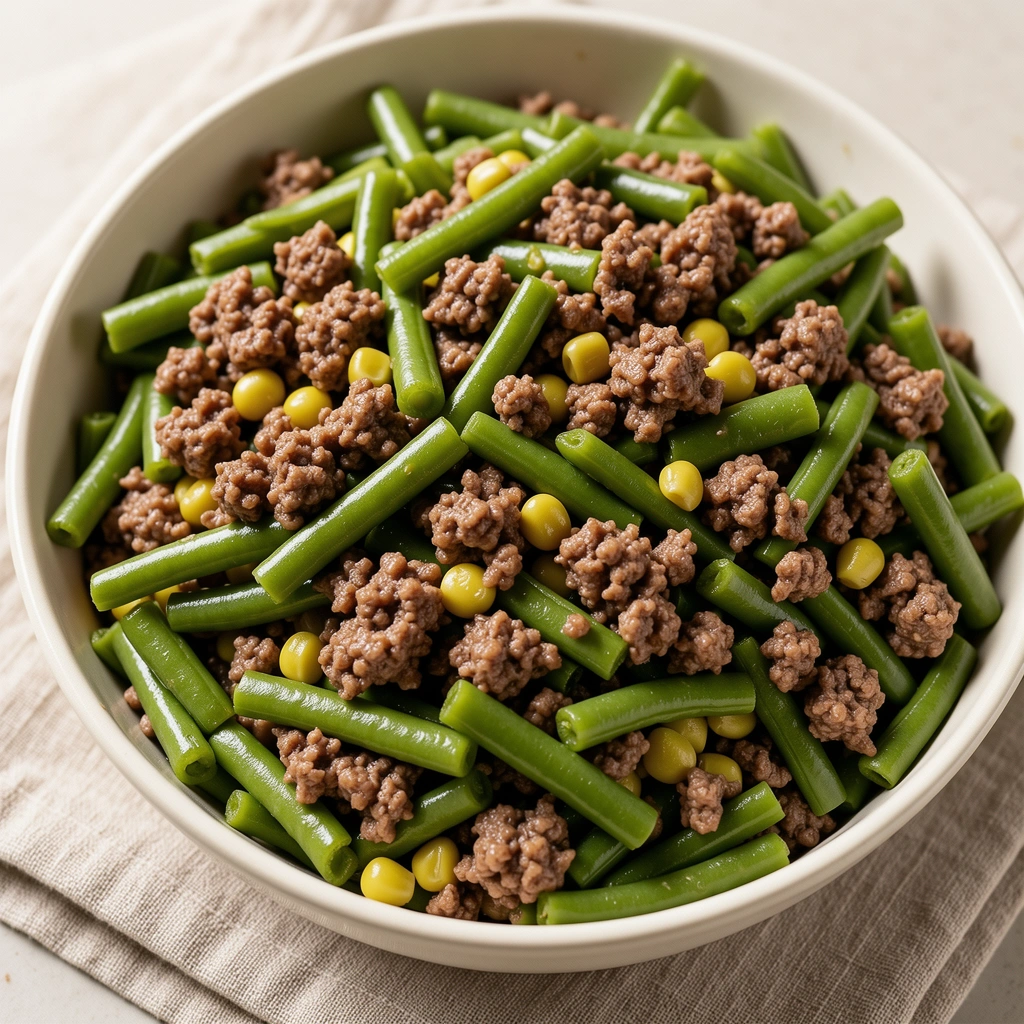
When it comes to feeding our dogs, I understand how important it is to find meals that are not only nutritious but also easy on the wallet and simple to prepare. Having spent years researching and cooking homemade dog food, I’m confident that I can guide you through making a wholesome dish your dog will love. Ground beef and green bean homemade dog food is a great choice that balances health, taste, and affordability perfectly.
So what exactly is ground beef and green bean homemade dog food, and why should you consider it? It’s a straightforward recipe combining lean ground beef and fresh green beans to create a balanced meal rich in protein, fiber, and essential nutrients. This dish supports your dog’s muscle health, digestion, and overall vitality, making it an excellent alternative to processed kibble.
Stick around to discover everything you need to know about this dog food recipe—from ingredient choices to preparation tips—and how it can benefit your furry friend’s health and happiness.
What Makes Ground Beef and Green Bean Homemade Dog Food a Smart Choice?
Let’s talk about why this recipe stands out. Ground beef is a protein powerhouse, vital for muscle maintenance and energy. Green beans add fiber and vitamins without adding too many calories, making this combo ideal for dogs of all sizes, especially those needing weight management. What’s more, homemade meals let you control exactly what goes into your dog’s bowl—no fillers, artificial preservatives, or mystery ingredients.
When crafting this meal, choose lean ground beef (90% lean or higher) to avoid excess fat, which can upset your dog’s stomach. Fresh or frozen green beans work well, but avoid canned versions with added salt or preservatives. You can steam or boil green beans lightly to maintain their nutrients while making them easier to digest. I always recommend chopping the beans finely or blending them slightly if your dog prefers smoother textures.
One thing many recipes overlook is incorporating a simple carb source or supplementing with essential fatty acids, which I’ll touch on later. These small tweaks can round out your dog’s diet, ensuring they get balanced nutrition beyond just protein and fiber. Ready to dive into the recipe details and customization tips? Let’s go!
Understanding the Benefits of Ground Beef for Dogs
Ground beef is a staple in many homemade dog food recipes because it provides:
- High-quality protein: Supports muscle repair and growth.
- Essential vitamins: Like B vitamins which aid in energy metabolism.
- Minerals: Including iron and zinc, crucial for oxygen transport and immunity.
Choosing the right type matters. Ground beef with high fat content might cause digestive upset or contribute to weight gain, especially in less active dogs. Opt for lean cuts to keep meals healthy and balanced.
Practical Tip: When cooking ground beef, drain excess fat thoroughly to reduce calorie density and avoid greasy meals. Cooking the meat thoroughly also eliminates harmful bacteria, making it safer for your dog.
This protein foundation pairs well with vegetables and grains, creating a complete meal that fuels your dog’s daily activities.
The Role of Green Beans in Your Dog’s Diet
Green beans are low in calories but rich in fiber, vitamins A, C, and K, along with antioxidants. They act as a natural filler, helping dogs feel full without overeating. This is especially useful for dogs on weight control diets.
Unlike starchy veggies like potatoes, green beans have a low glycemic index, making them a healthier carb option that won’t spike blood sugar levels. Adding green beans can also improve digestion and promote a healthy gut.
Practical Tip: Always prepare green beans by steaming or boiling briefly; raw beans can be tough on your dog’s digestive system. Avoid canned beans with added salt or preservatives.
Including green beans in your dog’s meal introduces variety and essential nutrients, making the dish more balanced and enjoyable.
Adding Carbohydrates and Healthy Fats to the Recipe
One gap I noticed in many basic recipes is the lack of healthy carbohydrates and fats, which are crucial for energy and coat health.
- Carbohydrates: Brown rice, sweet potatoes, or oats are great additions. They provide sustained energy and fiber.
- Healthy Fats: Adding a teaspoon of flaxseed oil, fish oil, or coconut oil improves skin and coat condition and supports brain health.
Practical Tip: Start with small amounts when introducing new carbs or fats to avoid digestive upset. Monitor your dog for any allergies or intolerance.
Balancing proteins, veggies, carbs, and fats ensures your dog gets a complete, nourishing meal without missing out on essential nutrients.
Step-By-Step Recipe: Ground Beef and Green Bean Homemade Dog Food
Let me walk you through a simple, budget-friendly recipe that anyone can whip up at home:
Ingredients:
- 1 pound lean ground beef (90% lean or higher)
- 2 cups fresh or frozen green beans, steamed and chopped
- 1 cup cooked brown rice or sweet potato (optional for carbs)
- 1 tablespoon olive oil or fish oil
- 1/4 cup finely chopped carrots (optional for extra vitamins)
Instructions:
- Cook the ground beef in a non-stick pan over medium heat until fully browned. Drain any excess fat.
- Steam green beans until tender but not mushy. Chop finely or pulse in a food processor.
- Cook brown rice or sweet potato separately until soft.
- In a large bowl, combine cooked beef, green beans, and carbs.
- Drizzle olive or fish oil over the mixture and stir well.
- Allow the food to cool before serving to your dog.
Serving Size: Adjust portions based on your dog’s weight, age, and activity level. A vet consultation is always best to determine exact amounts.
This recipe offers a balanced mix of protein, fiber, vitamins, and healthy fats—a great homemade alternative to commercial dog food.
Customizing the Recipe for Your Dog’s Specific Needs
Every dog is unique, so tailoring this basic recipe can enhance nutritional benefits:
- For puppies: Increase protein slightly and add calcium sources like ground eggshells or dog-safe supplements.
- For senior dogs: Include joint-supporting ingredients like turmeric or glucosamine supplements.
- For dogs with allergies: Substitute green beans with pumpkin or zucchini, and use turkey instead of beef if needed.
Practical Tip: Introduce any new ingredient gradually over 7-10 days to monitor your dog’s tolerance and avoid digestive issues.
Customizing recipes ensures your dog’s diet is optimal for their life stage, health status, and preferences.
Storing and Serving Homemade Dog Food Safely
One common question is how to store homemade dog food to keep it fresh and safe:
- Refrigerate portions in airtight containers for up to 3-4 days.
- Freeze in meal-sized batches for up to 2-3 months.
- Thaw frozen meals overnight in the fridge before serving.
Food Safety Tip: Always reheat the food to room temperature or slightly warm (not hot) before feeding to avoid burns or digestive discomfort.
Proper storage and serving practices maintain the food’s nutritional quality and your dog’s health.
Benefits of Homemade Dog Food Over Commercial Kibble
While commercial dog foods are convenient, homemade recipes like this offer advantages:
- Transparency in ingredients used
- Avoidance of fillers, by-products, and artificial additives
- Ability to tailor meals to specific dietary needs or allergies
- Often fresher and more palatable for picky eaters
Practical Tip: Consult your vet before making any major diet changes to ensure your dog’s nutritional requirements are met.
Homemade dog food is a rewarding way to nourish your pet with wholesome, fresh ingredients you trust.
Common Mistakes to Avoid When Making Homemade Dog Food
To get the best results, steer clear of these pitfalls:
- Using fatty cuts of meat leading to stomach upset
- Feeding raw vegetables that are hard to digest
- Omitting essential nutrients like calcium or fatty acids
- Overfeeding and causing weight gain
- Not consulting a vet about balanced nutrition
Tip: Research and use reputable recipes, and consider a canine nutritionist consultation for special dietary needs.
Avoiding these errors will keep your dog healthy and happy on a homemade diet.
Frequently Asked Questions About Ground Beef and Green Bean Dog Food
Q: Can I feed this recipe daily?
A: Yes, with proper balance and variety, this recipe can be part of your dog’s regular diet.
Q: Is ground beef safe for all dog breeds?
A: Generally yes, but always check with your vet, especially for dogs with specific health conditions.
Q: Can I add other vegetables?
A: Absolutely! Carrots, peas, and pumpkin are great additions.
Final Thoughts on Ground Beef and Green Bean Homemade Dog Food
I hope this detailed guide helps you feel confident making ground beef and green bean homemade dog food for your furry friend. This meal is easy to prepare, budget-friendly, and packed with nutrients that support your dog’s health from the inside out.
Remember, feeding your dog homemade food is about balance and care. By choosing fresh ingredients and customizing as needed, you ensure your dog enjoys delicious, nourishing meals every day. So go ahead, try this recipe, and watch your dog thrive!
Feeding your dog ground beef and green bean homemade dog food is a smart, simple way to provide wholesome nutrition tailored to their needs. With a little time and love, you’re giving your furry friend a meal that’s both tasty and healthy.