
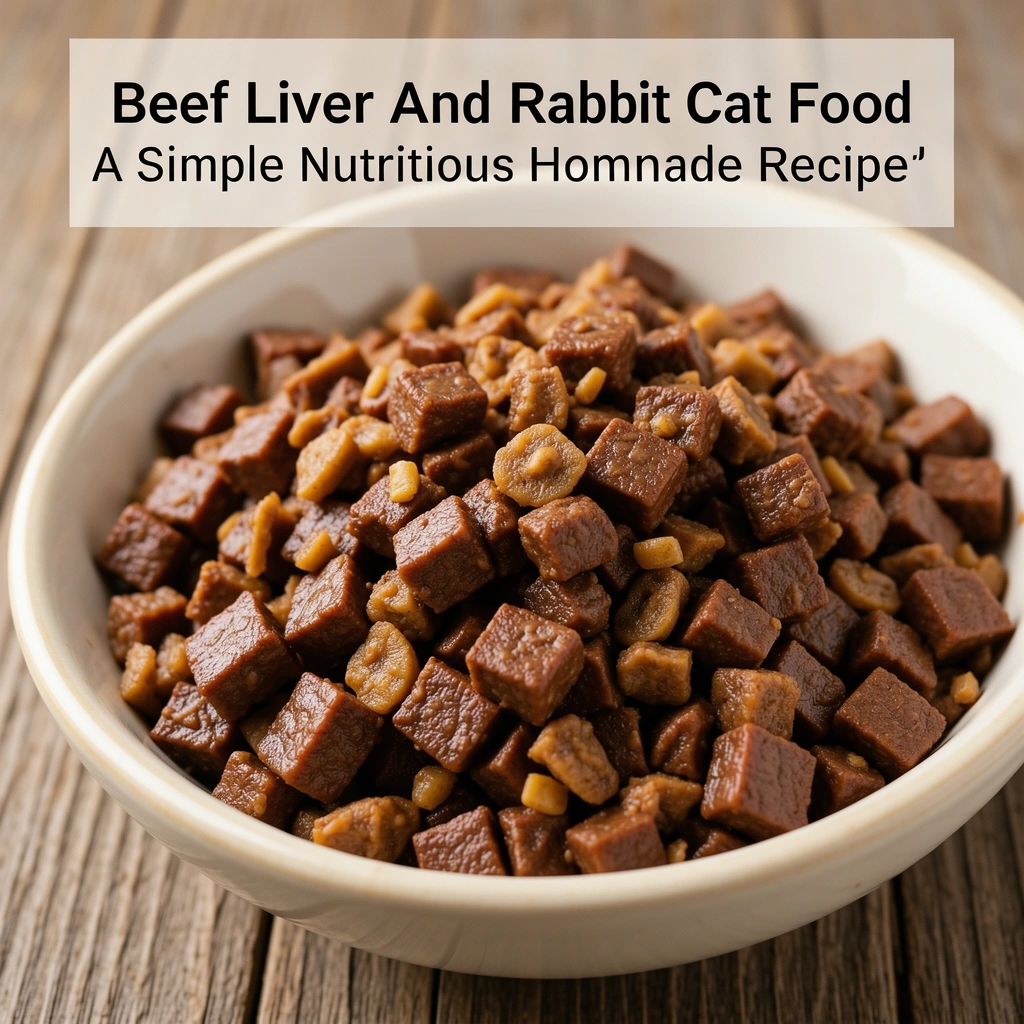
When it comes to feeding our feline friends, I know how important it is to find recipes that are both nutritious and easy to prepare. I’ve spent years researching and experimenting with homemade cat food to provide the most balanced meals. Today, I want to share a recipe featuring beef liver and rabbit that will nourish your cat naturally and deliciously.
So, what exactly is the best way to make beef liver and rabbit cat food at home? Simply put, a homemade cat food recipe combining beef liver and rabbit meat offers a highly nutritious, protein-rich diet tailored for cats’ health needs. This recipe ensures optimal vitamin, mineral, and amino acid intake while avoiding fillers and artificial ingredients found in many commercial foods.
Keep reading, and I’ll walk you through everything—from why this recipe works to step-by-step instructions and extra tips to make it easy and beneficial for your cat’s well-being.
Why Beef Liver and Rabbit Are Great for Cats
Choosing the right ingredients is the backbone of homemade cat food. Beef liver and rabbit serve as excellent protein sources that meet the dietary needs of cats, who are obligate carnivores.
Beef liver is a powerhouse of essential nutrients like vitamin A, B vitamins (especially B12), iron, and copper. These nutrients support vision, blood health, and immune function. Rabbit meat, on the other hand, is lean and highly digestible, packed with protein and low in fat, making it ideal for cats with sensitive stomachs or weight concerns.
Together, these ingredients provide a balanced amino acid profile, rich in taurine—an amino acid essential for cats but absent in many plant-based foods. It’s this combination that makes the homemade beef liver and rabbit cat food recipe both nutritious and palatable.
Understanding Your Cat’s Nutritional Needs
Cats have very specific dietary requirements. Here’s a quick list of nutrients cats must get from their food:
- Protein: For muscle maintenance and energy.
- Taurine: Essential for heart and eye health.
- Vitamin A: Supports vision and immune system.
- Fatty Acids: Help with skin and coat condition.
- Vitamins and Minerals: Crucial for overall metabolism.
This recipe is designed to cover these essentials naturally. Unlike commercial cat food that often uses fillers and artificial additives, this homemade blend focuses on whole foods that your cat can easily digest and thrive on.
Ingredients Overview: What You’ll Need
Before we dive into the recipe, here’s what you’ll need:
- 1 cup of fresh beef liver (preferably grass-fed)
- 2 cups of fresh rabbit meat (deboned)
- 1 large egg (including shell for calcium)
- 1 teaspoon fish oil (for omega-3 fatty acids)
- 1/4 teaspoon taurine supplement (optional but recommended)
- 1/2 cup cooked pumpkin or sweet potato (for fiber and digestion)
- A pinch of iodized salt (to support thyroid function)
I’ll explain why each of these ingredients is important as we go along.
How to Prepare Beef Liver and Rabbit Cat Food at Home
Making this homemade cat food is straightforward and rewarding. Here’s a step-by-step guide:
- Prepare the meats: Chop the beef liver and rabbit meat into small pieces.
- Cook the rabbit meat: Lightly steam or boil the rabbit meat to remove any bacteria or parasites. Avoid overcooking to retain nutrients.
- Lightly cook the liver: Quickly sauté the liver to reduce strong odors and improve digestibility.
- Mix the ingredients: In a food processor, combine cooked rabbit, liver, cooked pumpkin or sweet potato, and the egg (including crushed shell for calcium).
- Add supplements: Mix in fish oil, taurine powder (if using), and a pinch of iodized salt.
- Blend until smooth: Process until you reach a pâté-like consistency suitable for your cat.
- Store properly: Portion into airtight containers and refrigerate for up to 3 days or freeze for longer storage.
Health Benefits of This Recipe
This homemade beef liver and rabbit cat food recipe offers several health advantages:
- Supports muscle growth and repair with high-quality protein.
- Boosts vision and immune system thanks to vitamin A-rich liver.
- Maintains heart and eye health through taurine.
- Promotes healthy skin and coat via omega-3 fatty acids in fish oil.
- Encourages digestion with added fiber from pumpkin or sweet potato.
- Provides natural calcium from eggshells for bone strength.
By feeding your cat this recipe regularly, you’ll notice better energy, shinier fur, and improved overall vitality.
Tips for Adapting the Recipe to Your Cat’s Needs
Every cat is unique, so you might want to tweak this recipe a bit:
- For cats with allergies: Substitute rabbit with chicken or turkey.
- For weight management: Reduce pumpkin and egg content slightly to lower calorie intake.
- For picky eaters: Add a splash of low-sodium chicken broth for aroma.
- For kittens: Increase the egg proportion for extra calcium.
Always introduce homemade food gradually over a week to avoid digestive upset.
Safety Precautions When Making Homemade Cat Food
Safety is critical when preparing your cat’s meals:
- Use fresh, high-quality meats from reliable sources.
- Cook meats lightly to eliminate pathogens but avoid overcooking.
- Avoid ingredients toxic to cats, such as onions, garlic, and excessive salt.
- Consult your vet before adding supplements like taurine.
- Keep your preparation area clean and sanitize utensils.
These steps help ensure your cat’s food is not only nutritious but safe.
How to Store and Serve Homemade Cat Food
Proper storage keeps your homemade cat food fresh and appetizing:
- Store in airtight containers in the fridge for up to 3 days.
- Freeze portions in small containers or ice cube trays for up to 3 months.
- Thaw frozen portions in the fridge overnight before serving.
- Serve at room temperature for best aroma and acceptance.
By maintaining proper storage, you preserve nutrients and prevent spoilage.
Frequently Asked Questions About Beef Liver and Rabbit Cat Food
Is beef liver safe for cats?
Yes, in moderate amounts. Liver is nutrient-dense but should not exceed 5% of total diet to avoid vitamin A toxicity.
Can I feed raw rabbit meat to my cat?
Raw feeding carries risks of bacterial contamination. It’s safer to lightly cook the meat unless you strictly follow raw feeding protocols.
Why add eggshells?
Eggshells provide natural calcium, essential for bone health.
How often should I feed homemade food?
You can alternate homemade meals with commercial food or feed exclusively at your vet’s guidance.
Final Thoughts on Homemade Beef Liver and Rabbit Cat Food
Making homemade beef liver and rabbit cat food is a rewarding way to ensure your cat eats wholesome, nutrient-rich meals. This simple recipe balances the essential nutrients cats need while avoiding fillers and artificial additives common in store-bought diets.
If you want to give your cat a fresh, tasty meal that supports their health, this recipe is a great place to start. With a little preparation and care, you’ll see the difference in your cat’s energy, coat, and overall happiness.
Thanks for reading! I hope you found this guide helpful. Remember, homemade cat food like this beef liver and rabbit recipe can transform your cat’s nutrition and wellbeing. Always consult with your vet before making major changes to your cat’s diet. Happy cooking and here’s to your cat’s health!