
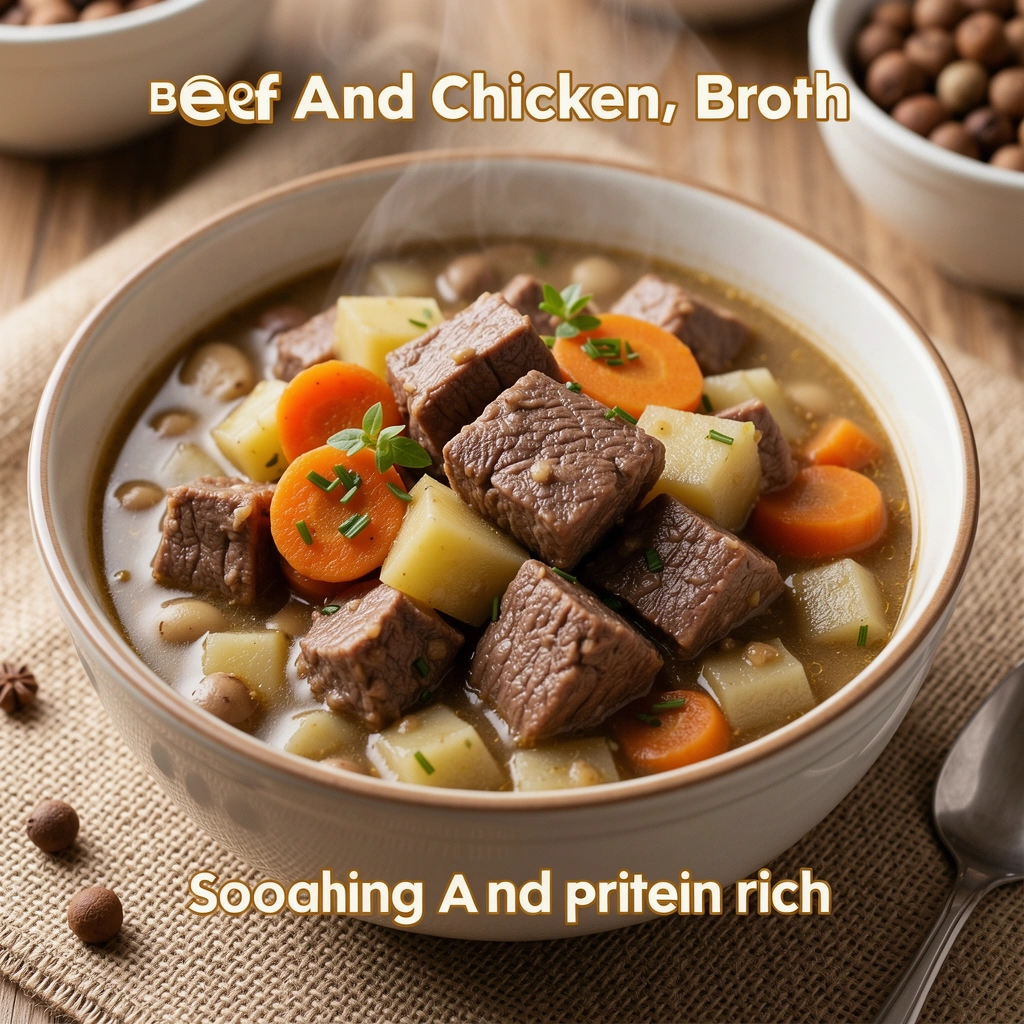
If you’re like me, you want the very best for your furry feline friends. Over the years, I’ve researched and experimented with various cat food options, aiming to find something both nutritious and comforting. Beef and chicken broth cat food stands out as a fantastic choice, blending simplicity with high protein content that cats love and benefit from.
So, what makes beef and chicken broth cat food a go-to meal? Simply put, it’s a protein-packed, easy-to-digest option that soothes your cat’s stomach while providing essential nutrients. This broth-based food can be used for hydration, recovery from illness, or just as a tasty treat that supports your cat’s overall health.
Keep reading to discover why this type of cat food works so well, how to make it at home, and tips to ensure your cat gets all the nutritional benefits they need from it.
Why Choose Beef and Chicken Broth Cat Food for Your Cat?
When feeding cats, many pet owners wonder if broth-based food can really meet their pets’ dietary needs. I can confidently say yes. Beef and chicken broth cat food offers a gentle, flavorful way to increase protein intake while hydrating your cat.
Cats are obligate carnivores, meaning their diet must be rich in animal proteins. Broths made from beef or chicken bones contain gelatin, amino acids, and minerals that support joint health, digestion, and overall vitality. Plus, broth is easy on the stomach, making it ideal for cats recovering from illness or those who are picky eaters.
This food approach is a simple way to incorporate high-quality protein and hydration, both vital for your cat’s wellness. It can be served alone or mixed with dry or wet kibble to enhance flavor and nutrient absorption.
What You’ll Learn in This Article
In this article, I’ll walk you through the benefits of beef and chicken broth cat food, provide easy recipes you can make at home, and share tips on how to serve it safely. You’ll also learn about the nutritional advantages, how to customize recipes for different needs, and precautions to keep your cat healthy.
Understanding the Basics of Beef and Chicken Broth for Cats
Before diving into recipes, let’s chat about what beef and chicken broth really bring to the table. Broth is more than just a tasty liquid; it’s a powerhouse of nutrients extracted from bones, meat, and connective tissues through slow cooking.
What Is Broth?
Broth is a flavorful liquid made by simmering bones, meat, and vegetables in water for several hours. Unlike stock, broth typically uses meatier parts and is seasoned lightly or not at all. For cats, homemade broths without salt, onions, or garlic are best to avoid toxicity.
Nutritional Highlights of Broth
- Protein: Essential for muscle maintenance and energy.
- Gelatin: Supports joint and gut health.
- Collagen: Helps maintain skin and fur.
- Minerals: Calcium, magnesium, and phosphorus from bones.
- Hydration: Cats often don’t drink enough water; broth adds moisture.
Why Beef and Chicken?
Both beef and chicken broths are excellent because they provide variety in flavor and nutrients. Beef broth is rich and hearty, while chicken broth is lighter and often more palatable for sensitive cats. Rotating between the two can keep mealtime exciting and nutritionally balanced.
Recipe Idea 1: Classic Homemade Beef Broth Cat Food
This classic beef broth recipe is a winner because it’s straightforward and packed with nutrients cats need. It’s perfect for cats who require a gentle diet or extra hydration.
Health Benefits
Beef broth contains vital amino acids like glycine and proline, which help with digestion and immune function. It also provides essential minerals that strengthen bones and teeth.
Ingredients
- 2 pounds beef bones (preferably marrow and knuckle bones)
- 1 quart water
- Optional: small carrot piece (no onion or garlic)
Instructions
- Place beef bones and carrot in a large pot. Cover with water.
- Bring to a boil, then reduce to a simmer.
- Simmer for 12-24 hours, skimming any foam.
- Remove bones and carrot, strain broth through a fine sieve.
- Cool broth completely before serving or storing in fridge.
Practical Tip
Always remove all bones before giving broth to cats to prevent choking or intestinal injury. Freeze broth in ice cube trays for easy portioning.
This recipe suits traditional and rustic home kitchens and can be used as a base for more complex meals.
Recipe Idea 2: Light and Flavorful Chicken Broth Cat Food
If your cat prefers a lighter taste, chicken broth is a fantastic choice. It’s gentle, highly digestible, and excellent for cats with sensitive stomachs.
Health Benefits
Chicken broth is rich in collagen and glucosamine, supporting joint health and mobility. It also provides hydration and essential amino acids necessary for muscle repair.
Ingredients
- 2 pounds chicken bones (carcass and wings)
- 1 quart water
- Optional: small celery stalk (avoid onions and garlic)
Instructions
- Place chicken bones and celery in a large pot and cover with water.
- Bring to a boil, then simmer gently for 8-12 hours.
- Skim foam occasionally.
- Strain broth and discard solids.
- Cool and store in refrigerator or freezer.
Practical Tip
Add a small amount of cooked chicken meat to the broth for extra protein and texture. This encourages picky eaters to enjoy their meal.
Chicken broth works well in modern kitchens and blends easily with wet or dry cat food.
Recipe Idea 3: Protein-Rich Beef and Chicken Broth Mash
Combining beef and chicken broth creates a delicious, protein-packed mash that cats adore. This recipe is perfect for boosting protein intake while keeping meals moist and digestible.
Health Benefits
This mash offers a balance of amino acids from both beef and chicken, supporting muscle growth and immune health. The gelatin content aids digestion and gut lining repair.
Ingredients
- 1 cup homemade beef broth
- 1 cup homemade chicken broth
- 1/2 cup cooked chicken breast, shredded
- 1/2 cup cooked lean ground beef
- Optional: a pinch of turmeric (anti-inflammatory)
Instructions
- Mix both broths in a bowl.
- Stir in shredded chicken and ground beef.
- Add turmeric if using, and blend well.
- Serve at room temperature.
Practical Tip
Adjust the meat-to-broth ratio for desired consistency. This mash is suitable for cats needing extra protein or recovering from illness.
This recipe fits well in both traditional and contemporary homes, providing a nourishing and versatile meal.
Recipe Idea 4: Soothing Broth Gelée for Cats with Digestive Issues
For cats with digestion problems, a gelatinous broth gelée can be soothing and easy to consume. It hydrates and provides protein without overwhelming the stomach.
Health Benefits
Gelée form enhances hydration, improves digestion, and delivers collagen that supports intestinal health.
Ingredients
- 2 cups homemade chicken broth
- 1 tablespoon unflavored gelatin powder
- 1/4 cup cooked chicken meat, finely shredded
Instructions
- Warm chicken broth until just hot.
- Sprinkle gelatin over broth and stir until dissolved.
- Mix in shredded chicken.
- Pour into small molds and refrigerate until set.
- Serve chilled or room temperature.
Practical Tip
Serve this gelée as a treat or supplement during illness or recovery. Always ensure no additives harmful to cats are included.
This recipe adds variety and texture, ideal for cats in need of gentle nourishment.
Recipe Idea 5: Broth-Infused Wet Food Enhancer
If your cat is a picky eater or needs encouragement to drink more water, broth-infused wet food can make a big difference.
Health Benefits
This method increases moisture intake, aids digestion, and makes meals more palatable without changing your cat’s regular diet drastically.
Ingredients
- 1/4 cup homemade beef or chicken broth
- 1 can high-quality wet cat food
Instructions
- Warm the broth slightly.
- Mix broth thoroughly into the wet food.
- Serve immediately.
Practical Tip
Use this enhancer daily to improve hydration, especially for cats on dry kibble diets. Gradually increase broth amount for best results.
This approach is convenient for busy pet owners and works well in any home kitchen.
Important Considerations When Using Broth Cat Food
While broth-based cat food is wonderful, there are a few key things to keep in mind:
- Avoid harmful ingredients: No onions, garlic, salt, or spices.
- Bone safety: Always remove bones completely.
- Portion control: Broth shouldn’t replace a balanced diet but act as a supplement.
- Consult your vet: Especially if your cat has medical conditions.
- Storage: Freeze broth and use within 3-4 days if refrigerated.
Broth cat food works well with various home styles and lifestyles, whether you prefer homemade meals or quick enhancements.
Conclusion
Beef and chicken broth cat food is an excellent way to provide your cat with simple, soothing, and protein-rich nutrition. It hydrates, supports digestion, and adds variety to your cat’s diet. By making your own broth at home, you control the ingredients and ensure maximum health benefits.
Try the recipes shared here, customize them to your cat’s preferences, and see the difference in their energy and happiness. Remember, a happy cat starts with great food—and broth-based meals might just be the perfect addition to your cat’s menu.
Feeding your cat beef and chicken broth cat food can transform mealtime into a nourishing, enjoyable experience that keeps your furry friend healthy and content.