
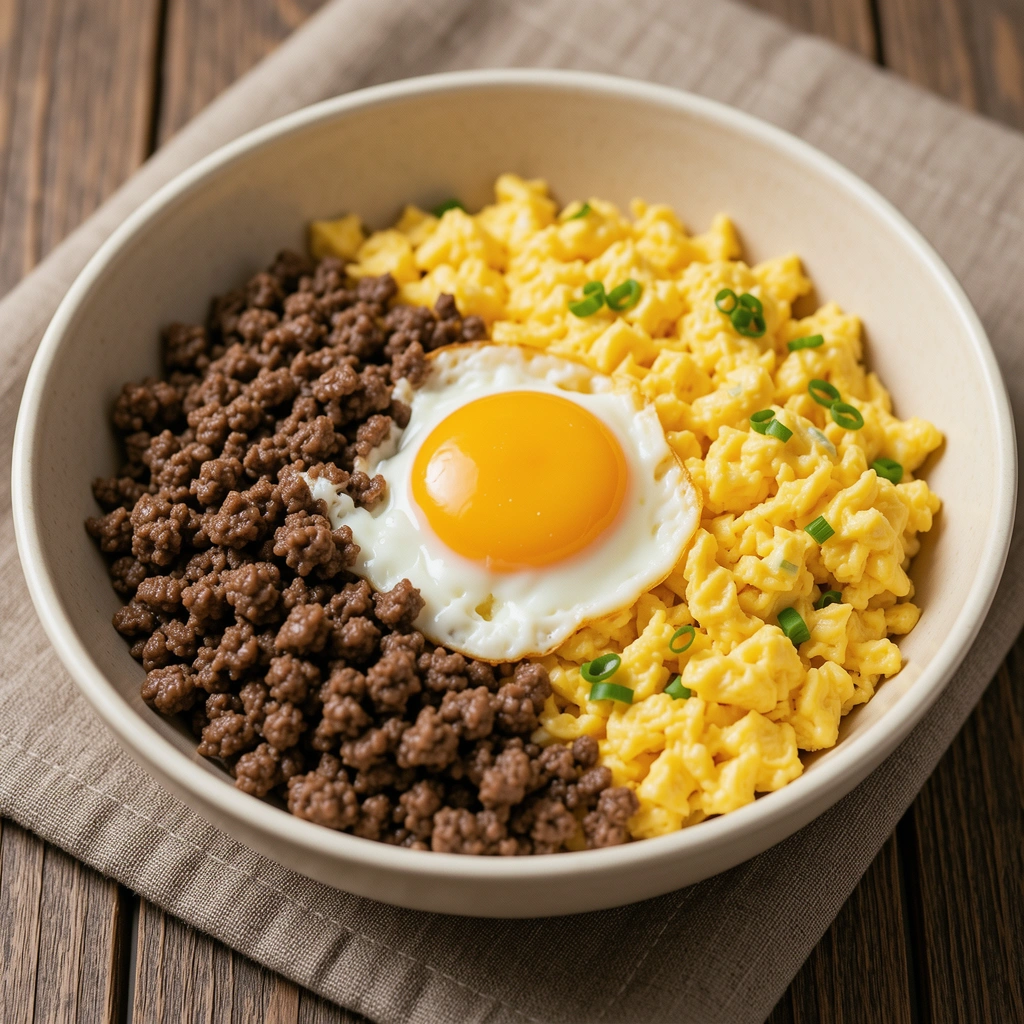
When it comes to feeding our feline friends, I understand how overwhelming it can be to choose the right homemade meal. With years of experience in cat nutrition, I’m here to provide you with the most accurate, balanced, and practical advice on making ground beef and egg meals for your cat. Together, we’ll explore how to create a nutritious, safe, and tasty dish that your kitty will love.
So, can cats eat ground beef and eggs? Yes, cats can safely eat ground beef combined with eggs as part of a balanced homemade diet. This mix provides essential proteins, fats, and amino acids necessary for their health, as long as it is prepared properly without harmful additives or seasonings.
Keep reading to learn everything about the benefits, preparation tips, nutritional balance, and potential pitfalls of this simple homemade cat food. I’ll also share recipes and advice to help you make the healthiest meals possible for your cat.
Understanding Ground Beef and Egg as Cat Food
Let’s start with the basics. Ground beef and eggs are two ingredients that naturally appeal to cats because they are rich in animal protein—a nutrient cats require in large amounts. Cats are obligate carnivores, which means their bodies are designed to thrive on meat-based diets. Ground beef provides muscle meat, fat, and essential amino acids like taurine, while eggs add vitamins, minerals, and high-quality protein.
When feeding these ingredients, it’s important to strike a nutritional balance and avoid common mistakes like adding seasoning or using low-quality meat. You’ll want to ensure the meal is complete, so your cat receives all the nutrients they need for energy, coat health, and overall well-being.
Why Ground Beef and Egg Works Well for Cats
Using ground beef and eggs as a base for homemade cat food is a practical choice for many pet owners because:
- Protein Rich: Both ingredients provide a great source of protein that supports muscle maintenance and organ function.
- Easily Digestible: These foods are generally easy on a cat’s digestive system.
- Affordable and Accessible: Ground beef and eggs are widely available and cost-effective.
- Customizable: You can tailor the recipe to your cat’s specific dietary needs.
Before diving into recipes, it’s crucial to understand how to prepare and balance this meal properly to avoid nutritional deficiencies or health risks.
The Nutritional Essentials Cats Need From Ground Beef And Egg Meals
Cats need a variety of nutrients that ground beef and eggs alone don’t fully cover. Here’s a quick overview of what to include:
Taurine
An essential amino acid found in meat, taurine supports vision, heart health, and reproduction.
Fat Content
Cats require animal fats for energy and nutrient absorption. Ground beef with moderate fat percentages (around 10%) works well.
Vitamins & Minerals
Essential nutrients like calcium, phosphorus, vitamin A, and B vitamins must be balanced. Eggs provide some vitamins but calcium often needs supplementation.
Water Content
Cats get hydration from wet food; homemade meals should have moisture or be supplemented with water.
Practical Tip:
Use ground beef labeled “for human consumption” to ensure quality, and consider supplementing with taurine powder or a feline vitamin mix recommended by your vet.
Next, we’ll explore how to safely prepare ground beef and eggs for your cat.
How To Safely Prepare Ground Beef And Eggs For Cats
Preparing homemade cat food requires care to keep your pet safe from bacteria and harmful ingredients.
- Cook Thoroughly: Cook ground beef until it’s no longer pink, reaching an internal temperature of 160°F (71°C) to kill harmful bacteria like E. coli. Eggs should be fully cooked to avoid salmonella risks.
- No Seasonings: Avoid salt, onions, garlic, or other spices toxic to cats.
- Use Fresh Ingredients: Always use fresh ground beef and eggs; discard leftovers promptly.
- Avoid Bones: Never add bones to homemade meals, as they can splinter and cause injuries.
Practical Tip:
Cook the ground beef in a non-stick pan without oil and scramble the eggs separately. Mix them once cooled to room temperature before serving.
Next, I’ll share a simple recipe you can try at home.
Simple Ground Beef and Egg Cat Food Recipe
This recipe is straightforward, balanced, and easily customizable.
Ingredients:
- 100g lean ground beef (10% fat)
- 1 large egg
- 1/4 teaspoon taurine supplement (optional but recommended)
- 1 teaspoon fish oil (for omega-3 fatty acids)
- 1 tablespoon cooked pumpkin or carrot puree (for fiber)
Instructions:
- Cook ground beef in a pan over medium heat until fully browned. Drain excess fat if necessary.
- Scramble the egg in a separate pan until fully cooked.
- Combine beef and egg in a bowl, allow to cool to room temperature.
- Mix in taurine supplement, fish oil, and vegetable puree.
- Serve immediately or refrigerate for up to 24 hours.
Practical Tip:
Always consult your vet before adding supplements. Introduce homemade meals gradually alongside your cat’s regular diet.
This recipe offers high protein, essential fats, and a small amount of fiber to aid digestion. Next, let’s discuss the health benefits behind this meal.
Health Benefits of Ground Beef and Egg Meals for Cats
Feeding cats a homemade blend of ground beef and eggs can have multiple benefits:
- Supports Muscle and Organ Health: High-quality protein helps maintain lean muscle mass and supports vital organs.
- Promotes Healthy Skin and Coat: Animal fats and omega-3s nourish skin and keep the coat shiny.
- Improves Digestive Health: Adding fiber from vegetables can help prevent constipation.
- Reduces Allergies: Limited ingredient meals can help identify and avoid allergens common in commercial cat food.
Practical Tip:
Observe your cat’s response to the meal and check for any signs of allergies or digestive upset. Adjust the recipe or consult a vet if needed.
Next, we’ll explore common mistakes to avoid when feeding ground beef and egg meals.
Common Mistakes When Feeding Ground Beef and Egg to Cats
Feeding homemade meals requires attention to detail. Here are common pitfalls:
- Lack of Nutritional Balance: Relying solely on beef and eggs without supplements can lead to deficiencies in calcium, taurine, and vitamins.
- Feeding Raw Meat: Raw ground beef may contain harmful bacteria unless prepared with strict food safety practices.
- Adding Toxic Ingredients: Avoid onions, garlic, salt, and seasonings that are harmful to cats.
- Overfeeding Fatty Meat: Too much fat can cause digestive upset or pancreatitis.
Practical Tip:
Consult a feline nutritionist or vet to create a complete and balanced homemade diet plan tailored to your cat’s health status.
Up next, I’ll share ideas to diversify your cat’s homemade meals beyond just beef and eggs.
Diversifying Homemade Cat Meals with Additional Ingredients
While ground beef and eggs are a great start, variety improves nutrition and palatability.
Add Organs:
Include liver or kidney occasionally for vitamin A, iron, and other micronutrients.
Include Bone Meal or Calcium Source:
Ground eggshell powder or commercial bone meal supplements provide essential calcium.
Incorporate Vegetables Sparingly:
Pumpkin, carrots, or peas offer fiber and vitamins but keep these minimal as cats don’t digest plants well.
Use Fish or Poultry:
Rotate proteins such as cooked chicken or fish for variety and different nutrient profiles.
Practical Tip:
Introduce new ingredients slowly and monitor your cat’s tolerance to avoid digestive issues.
Next, I’ll guide you on how to transition your cat to homemade food safely.
How to Transition Your Cat to Ground Beef and Egg Homemade Food
Cats can be picky eaters and sudden diet changes might cause digestive upset.
- Start Small: Mix a small amount of homemade food with their current diet.
- Gradually Increase: Over 7-10 days, increase the portion of homemade food while decreasing commercial food.
- Observe Reactions: Watch for vomiting, diarrhea, or refusal to eat.
- Stay Consistent: Once transitioned, maintain a consistent feeding schedule.
Practical Tip:
If your cat resists, try warming the food slightly or adding a small amount of tuna juice to entice them.
Next, let’s cover safety considerations and when to consult a vet.
Safety Considerations When Feeding Homemade Ground Beef and Egg Meals
Ensuring your cat’s safety is paramount:
- Consult a Veterinarian: Before any homemade diet, get professional advice tailored to your cat’s health needs.
- Avoid Raw Diets Unless Supervised: Raw meat diets require stringent hygiene and understanding of risks.
- Watch for Allergies: Beef is a common allergen; monitor your cat for skin or digestive issues.
- Store Properly: Refrigerate or freeze homemade food to prevent spoilage.
Practical Tip:
Keep a feeding journal to track ingredients, amounts, and your cat’s health and behavior.
Can Ground Beef and Egg Alone Provide Complete Nutrition?
The short answer is no. Ground beef and eggs are excellent protein sources but lack certain nutrients critical to cats, including enough calcium, taurine, and vitamin E.
To create a complete homemade diet, you need:
- Calcium Supplementation
- Taurine
- A Variety of Vitamins and Minerals (through supplements or additional ingredients)
Many commercial feline supplements are designed to balance homemade meals.
Practical Tip:
Use a reputable feline multivitamin or consult a pet nutritionist for a supplement plan.
Summary: Is Ground Beef and Egg a Good Homemade Meal for Cats?
Ground beef and eggs provide a solid protein base for a homemade cat meal. When properly cooked, balanced with necessary supplements, and fed in moderation, they can support your cat’s health beautifully. Remember, cats need more than just meat and eggs — calcium, taurine, and vitamins are vital to prevent nutritional gaps.
Homemade meals require commitment to quality, preparation, and ongoing monitoring. But with the right knowledge and care, you can confidently prepare delicious, nutritious food your cat will thrive on.
Conclusion
Feeding your cat ground beef and egg meals can be a rewarding and healthy choice if done correctly. This simple combination offers high-quality protein and essential nutrients, but it’s only one piece of the puzzle in a complete feline diet. By supplementing properly, cooking safely, and adding variety, you can create a balanced homemade meal your cat will enjoy.
Remember, always consult your veterinarian before switching your cat’s diet and observe your pet’s health throughout the transition. Ground beef and egg meals can be a fantastic part of your cat’s nutrition when approached thoughtfully and responsibly. Happy cooking for your feline friend!