
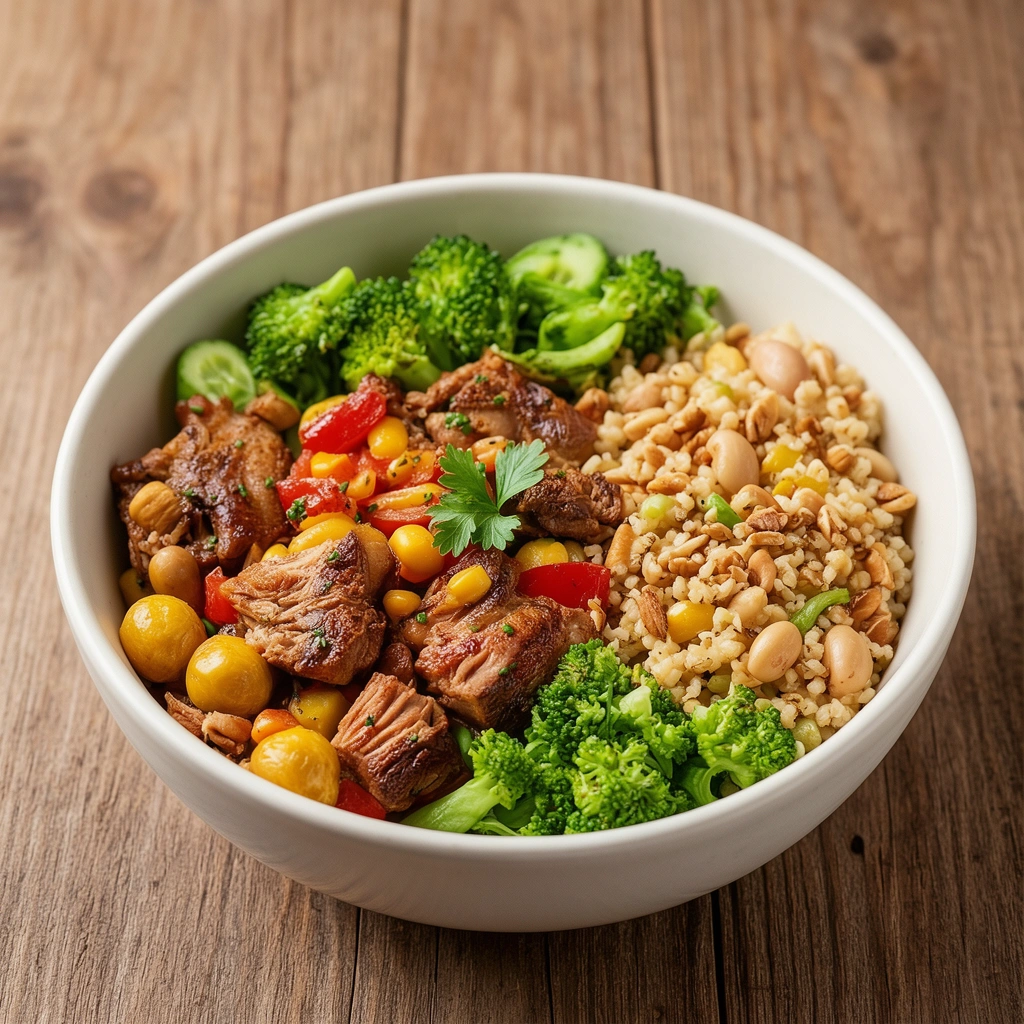
When it comes to feeding our furry friends, I understand how important it is to provide meals that are not only tasty but also packed with nutrients. Over the years, I’ve helped countless dog parents find affordable ways to prepare homemade dog food that meets their pet’s dietary needs without breaking the bank. You can trust that this guide will deliver clear, reliable, and practical advice to help you cook healthy meals for your dog at home.
So, what exactly is cheap nutritious homemade dog food? Simply put, it’s food prepared at home using affordable, wholesome ingredients that supply all the essential nutrients dogs need to thrive. With the right balance of proteins, carbs, fats, vitamins, and minerals, homemade dog food can be both budget-friendly and highly beneficial for your pet’s health.
In this article, I’ll walk you through a variety of easy-to-make recipes, explain the health benefits behind each, and offer tips to customize meals for your dog’s unique needs. Let’s dive in and discover how you can make nutritious homemade dog food that your dog will love—and that your wallet will thank you for.
Why Homemade Dog Food?
Making your own dog food can feel overwhelming, but it’s actually one of the best ways to control what your dog eats. Unlike commercial dog food, homemade meals allow you to avoid fillers, preservatives, and artificial ingredients. Plus, cooking at home can be much cheaper, especially if you buy ingredients in bulk or use leftovers wisely.
When you prepare dog food yourself, you can tailor meals to your dog’s age, breed, activity level, and any health issues. For example, a senior dog with arthritis might benefit from added omega-3 fats and glucosamine, while a high-energy working dog needs more protein and calories. Homemade meals also encourage hydration, as you tend to add water or broth, which is great for dogs who don’t drink enough water.
This personal approach ensures your dog’s diet supports overall health, shiny coats, strong muscles, and a happy disposition. Ready to get started? Here’s a simple recipe that’s both nutritious and budget-friendly.
Balanced Chicken and Rice Dog Food
Chicken and rice is a classic homemade dog food recipe, celebrated for its digestibility and nutritional balance. Chicken provides a lean source of protein, essential for muscle maintenance and repair, while rice offers easily digestible carbohydrates for energy.
Ingredients:
- 2 ½ cups cooked chicken (skinless, boneless)
- 1 cup cooked brown rice
- 1 cup mixed vegetables (carrots, peas, green beans)
- 1 tablespoon olive oil
- Optional: 1 teaspoon fish oil for omega-3 fatty acids
Health Benefits:
- Lean protein supports muscle health
- Brown rice supplies fiber and energy
- Vegetables provide vitamins, minerals, and antioxidants
- Healthy fats promote skin and coat condition
Practical Tip: Cook the chicken thoroughly and chop or shred it before mixing to make it easier for your dog to eat. Steam the vegetables lightly to preserve nutrients but make them softer for digestion.
This recipe works well for dogs of all ages and can be adapted by swapping chicken with turkey or lean beef. Up next, I’ll share a recipe for dogs with sensitive stomachs that’s gentle yet nourishing.
Gentle Turkey and Sweet Potato Dog Food
Turkey and sweet potato combine to create a gentle, nutrient-rich meal perfect for dogs with food sensitivities or digestive troubles. Sweet potatoes are a great source of fiber and vitamins A and C, while turkey offers high-quality protein with low fat content.
Ingredients:
- 2 cups cooked ground turkey
- 1 ½ cups cooked sweet potato (mashed)
- 1 cup cooked green beans
- 1 teaspoon coconut oil
Health Benefits:
- Sweet potatoes support digestion and immune function
- Turkey provides essential amino acids
- Green beans add fiber and antioxidants
- Coconut oil delivers medium-chain triglycerides for energy and coat health
Practical Tip: To avoid upsetting your dog’s stomach, introduce new ingredients gradually over a week. Start by mixing small amounts of this homemade food with their usual diet.
This recipe suits dogs prone to allergies or digestive issues. For dogs needing a protein boost, the next recipe offers a hearty, energy-dense alternative.
Hearty Beef and Vegetable Stew
If your dog is highly active or recovering from illness, a beef and vegetable stew can provide necessary calories and nutrients. Beef is rich in iron and B vitamins, supporting energy metabolism and red blood cell health.
Ingredients:
- 3 cups lean ground beef (cooked)
- 1 cup diced carrots
- 1 cup diced zucchini
- 1 cup cooked quinoa
- 1 tablespoon olive oil
Health Benefits:
- Beef delivers iron and zinc for immunity
- Quinoa provides complete protein and fiber
- Vegetables offer antioxidants and vitamins
- Healthy oils assist nutrient absorption
Practical Tip: Cook the quinoa according to package instructions and ensure vegetables are soft but not mushy to maintain texture and flavor.
This recipe suits active dogs or those needing extra muscle support. If you have a dog prone to weight gain, the next option is a low-calorie meal idea.
Light Fish and Pumpkin Meal
Fish is an excellent protein source that’s easy on the stomach and rich in omega-3 fatty acids, which reduce inflammation and promote brain health. Pumpkin is a gentle fiber source that aids digestion and helps with weight management.
Ingredients:
- 2 cups cooked white fish (cod, tilapia)
- 1 cup cooked pumpkin puree
- 1 cup cooked green peas
- 1 tablespoon flaxseed oil
Health Benefits:
- Omega-3s support joint and cognitive health
- Pumpkin improves digestive regularity
- Peas provide vitamins and minerals
- Flaxseed oil boosts skin and coat condition
Practical Tip: Use fresh or frozen fish and avoid seasoning or oils that are not dog-safe. Pumpkin should be plain, without added sugar or spices.
This light meal is excellent for senior dogs or those with weight concerns. Next, I’ll show you a recipe that’s perfect for budget-conscious dog owners using pantry staples.
Economical Lentil and Rice Mix
Lentils are a fantastic, affordable source of plant-based protein and fiber. When combined with rice and some vegetables, they create a filling and nutritious meal that won’t stretch your budget.
Ingredients:
- 1 cup cooked lentils
- 1 cup cooked brown rice
- 1 cup mixed vegetables (carrots, peas)
- 1 tablespoon sunflower oil
Health Benefits:
- Lentils provide protein and slow-digesting carbs
- Fiber supports digestive health
- Vegetables add essential vitamins
- Healthy oils improve nutrient absorption
Practical Tip: Rinse lentils well before cooking to reduce gas-causing compounds. Use canned or fresh vegetables with no added salt or seasoning.
This recipe is great for dog owners looking for a healthy, low-cost meal plan. For dogs needing extra calcium, I have a recipe coming up with bone meal and dairy options.
Calcium-Rich Chicken and Spinach Bowl
Calcium is crucial for strong bones and teeth. This recipe combines chicken with spinach and a touch of cottage cheese to boost calcium intake, making it ideal for growing puppies or senior dogs with joint issues.
Ingredients:
- 2 cups cooked chicken
- 1 cup cooked spinach (well drained)
- ½ cup low-fat cottage cheese
- 1 cup cooked millet or oats
Health Benefits:
- Calcium strengthens bones
- Protein supports muscle tone
- Spinach adds iron and antioxidants
- Cottage cheese provides probiotics and calcium
Practical Tip: When cooking spinach, squeeze out excess water to avoid dilution of nutrients. Introduce dairy slowly to monitor for lactose intolerance.
This calcium-packed meal supports bone health and can be adapted for dogs of all life stages. Next, check out a recipe that incorporates eggs for extra protein and vitamins.
Protein-Packed Egg and Vegetable Scramble
Eggs are a powerhouse of protein, vitamins, and minerals, making them an excellent addition to homemade dog food. Mixed with vegetables, this scramble is easy to prepare and highly nutritious.
Ingredients:
- 3 eggs (scrambled, no salt)
- 1 cup cooked chopped broccoli
- 1 cup cooked sweet potato cubes
- 1 teaspoon olive oil
Health Benefits:
- Eggs provide complete protein and vitamin D
- Broccoli is rich in fiber and antioxidants
- Sweet potatoes supply energy and vitamins
- Healthy oils aid nutrient absorption
Practical Tip: Cook eggs thoroughly to avoid salmonella risk. Avoid adding seasoning, especially salt or garlic.
This scramble is perfect for dogs needing a protein boost or those with picky appetites. Now, let’s explore a recipe that’s good for skin and coat health.
Skin-Soothing Salmon and Oatmeal Mix
Salmon is rich in omega-3 fatty acids that reduce skin inflammation and improve coat shine. Combined with oatmeal, it offers a balanced meal that’s gentle on the stomach.
Ingredients:
- 2 cups cooked salmon (deboned)
- 1 cup cooked oatmeal
- 1 cup steamed carrots
- 1 tablespoon fish oil
Health Benefits:
- Omega-3s reduce itching and dryness
- Oatmeal provides soluble fiber for digestion
- Carrots add vitamin A for skin repair
- Fish oil promotes overall health
Practical Tip: Use wild-caught salmon if possible. Remove all bones carefully before serving to avoid choking hazards.
This recipe is a favorite for dogs with allergies or dry skin. Lastly, I’ll share a recipe that utilizes eggshell powder for natural calcium supplementation.
Natural Calcium Eggshell Powder Recipe
Adding eggshell powder to homemade dog food is a natural way to boost calcium levels. This recipe combines protein-rich turkey with eggshell powder and vegetables for balanced nutrition.
Ingredients:
- 2 cups cooked ground turkey
- 1 teaspoon finely ground eggshell powder
- 1 cup cooked green beans
- 1 cup cooked brown rice
Health Benefits:
- Eggshell powder provides bioavailable calcium
- Turkey supplies lean protein
- Green beans add fiber and vitamins
- Brown rice offers energy and fiber
Practical Tip: To make eggshell powder, bake clean eggshells at 350°F for 10 minutes, then grind into a fine powder. Store in an airtight container.
This recipe supports bone health naturally and is excellent for dogs needing extra calcium. Now that you have plenty of recipes, let’s talk about some general tips to make homemade dog food safe and effective.
Essential Tips for Making Homemade Dog Food
Making homemade dog food is rewarding, but it requires care:
- Balance Is Key: Dogs need a mix of protein, carbs, fats, vitamins, and minerals. Consult a vet or canine nutritionist to ensure your recipes meet your dog’s needs.
- Avoid Toxic Foods: Never use onions, garlic, grapes, chocolate, or certain artificial sweeteners like xylitol.
- Portion Control: Adjust meal sizes based on your dog’s weight, age, and activity level.
- Store Properly: Refrigerate or freeze leftovers to prevent spoilage.
- Introduce Gradually: Switch diets slowly over 7-10 days to avoid digestive upset.
Following these guidelines will help keep your dog healthy and happy with homemade meals.
Conclusion
Making cheap nutritious homemade dog food is easier than you think, and it can transform your dog’s health by giving them fresh, wholesome ingredients tailored to their needs. From simple chicken and rice dishes to omega-rich salmon meals, these recipes cover a variety of health benefits and budgets. Remember to balance nutrients carefully and introduce new foods gradually. With a little effort and love, you can provide your dog with meals that nourish their body and delight their taste buds.
I hope these recipes inspire you to start cooking for your dog at home. Feel free to experiment, keep learning, and watch your furry friend thrive on a diet you made with your own hands. Homemade dog food isn’t just affordable—it’s an act of love.