
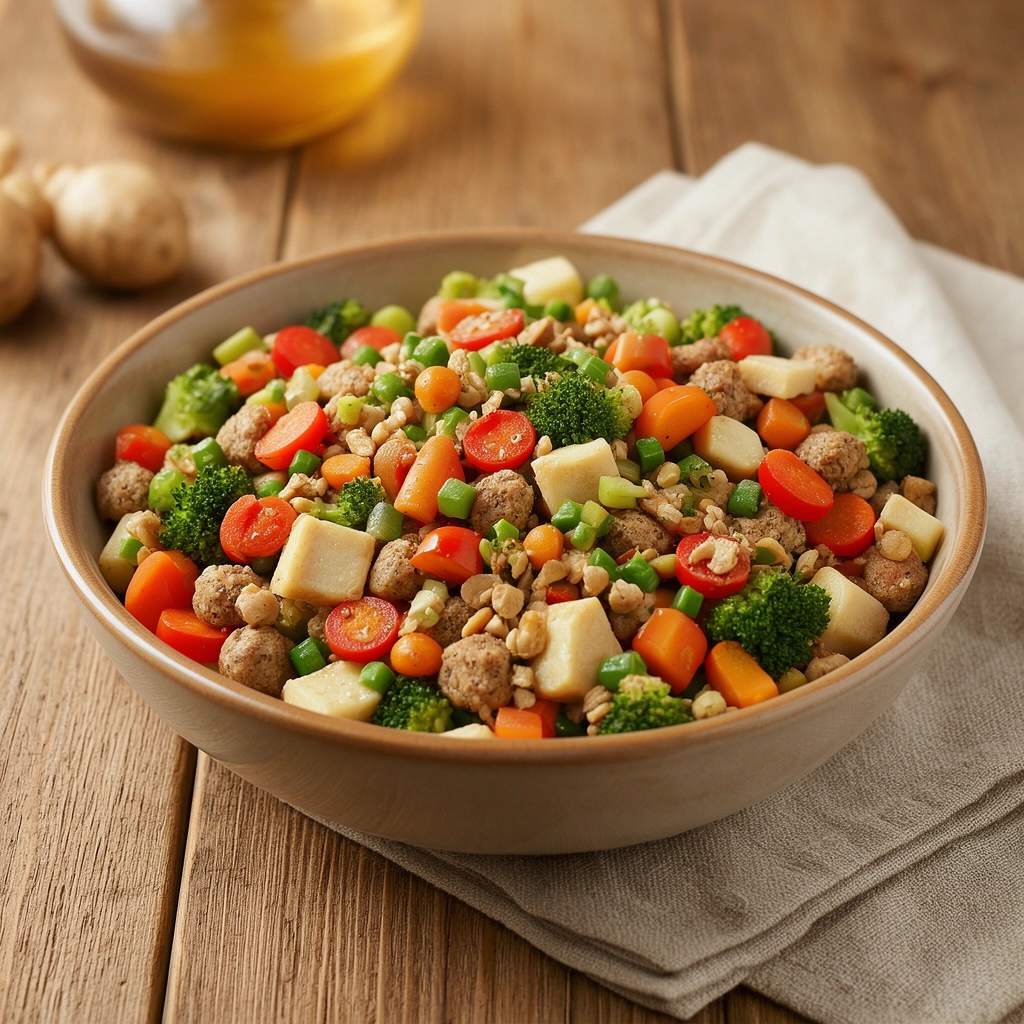
Hey friends! If you’ve ever wondered how to make nutritionally balanced homemade dog food, you’re in the right place. I’ve spent years researching canine nutrition, consulting vets, and experimenting with recipes to bring you the most accurate, helpful information on this topic.
So how do you make nutritionally balanced homemade dog food? It requires combining the right amounts of protein, carbohydrates, fats, vitamins, and minerals to meet your dog’s daily needs. A balanced diet includes lean meats, whole grains, vegetables, and essential supplements tailored to your dog’s size, age, and health.
Stick with me as we explore everything you need to know—from essential nutrients to recipe ideas and practical tips—to ensure your furry friend gets the healthiest, tastiest meals possible. Let’s dive in!
What is Nutritionally Balanced Homemade Dog Food?
Making homemade dog food that is nutritionally balanced means providing your dog with a complete diet that supports their health, energy, and wellbeing. Unlike commercial dog foods, homemade meals let you control every ingredient, ensuring freshness and quality. But balance is key: too much or too little of any nutrient can cause health problems.
When creating homemade dog food, you want to include:
- Protein: For muscle development and repair
- Carbohydrates: For energy and fiber
- Fats: For skin health and energy storage
- Vitamins & Minerals: For immune system support and overall function
Balancing these ingredients correctly requires understanding your dog’s specific needs based on their breed, age, weight, and activity level. This approach is ideal for pet parents who want to avoid fillers, additives, or allergens often found in commercial diets.
Why Choose Homemade Dog Food Over Commercial Options?
Homemade dog food can be a game-changer if done right. You get to choose high-quality ingredients, avoid preservatives, and tailor meals to your dog’s preferences and dietary restrictions. Many dogs thrive on fresh food, showing better digestion, shinier coats, and increased energy.
However, making homemade dog food without proper knowledge can lead to nutritional gaps or excesses. That’s why it’s important to understand the nutrients dogs need and how to balance them in homemade meals. This article fills in all those gaps and gives you reliable, practical guidance.
Understanding Your Dog’s Nutritional Needs
Dogs require a balanced supply of macronutrients and micronutrients. Here’s a quick definition list to clarify these terms:
Protein: Essential for growth, muscle maintenance, and immune function. Sources include chicken, beef, fish, eggs, and some plant proteins.
Carbohydrates: Provide energy and aid digestion. Good sources are brown rice, sweet potatoes, oats, and barley.
Fats: Vital for brain function and healthy skin. Include sources like fish oil, flaxseed oil, and chicken fat.
Vitamins & Minerals: Support metabolism, bone health, and immune defenses. These come from vegetables, fruits, and supplements.
When planning meals, aim for approximately:
- 40% protein
- 50% carbohydrates and vegetables
- 10% fats
Adjust these ratios based on your dog’s health and activity.
Key Nutrients Often Missed in Homemade Dog Food
Many homemade recipes lack certain vital nutrients. Here are some common gaps and how to fill them:
- Calcium & Phosphorus: Critical for bones and teeth. Include ground eggshells or bone meal as supplements.
- Omega-3 Fatty Acids: Promote brain and coat health. Add fish oil or flaxseed oil.
- Taurine: An amino acid important for heart health, especially in some breeds. Found in meat but may require supplementation.
- Vitamin D: Supports calcium absorption and immune function. Ensure your recipe includes vitamin D-rich foods or supplements.
- Fiber: Helps with digestion. Add vegetables like pumpkin, carrots, or green beans.
Without these, dogs can experience bone disorders, poor coat quality, or heart issues.
How to Safely Transition Your Dog to Homemade Food
Switching your dog from commercial kibble to homemade food requires patience and a gradual approach to avoid digestive upset.
- Start by mixing 25% homemade food with 75% kibble.
- Gradually increase homemade food by 25% increments every 3-5 days.
- Monitor your dog’s stool, energy levels, and appetite.
- Consult your vet regularly during the transition.
This slow transition helps your dog adapt to new flavors and digestion without stress.
Essential Equipment for Making Homemade Dog Food
Creating homemade meals doesn’t require fancy tools, but some handy equipment makes the process easier and more efficient:
- Quality meat grinder or food processor: For chopping meats and vegetables finely.
- Large mixing bowls: To combine ingredients thoroughly.
- Measuring cups and kitchen scale: To ensure accurate portion sizes.
- Storage containers: Airtight containers keep food fresh in the fridge or freezer.
- Cooking pots and pans: For boiling or steaming vegetables and grains.
Investing in these will save you time and help maintain consistency in your recipes.
Sample Recipe: Balanced Chicken & Veggie Bowl
This recipe is a great starting point for homemade dog food. It offers balanced nutrition with easily available ingredients.
Ingredients:
- 2 ½ lbs boneless, skinless chicken thighs (protein)
- 1 ½ cups brown rice (carbohydrate)
- 1 cup chopped carrots (fiber and vitamins)
- 1 cup chopped green beans (fiber and vitamins)
- 1 tbsp fish oil (fatty acids)
- 1 tsp ground eggshell (calcium)
- 4 cups water or low sodium chicken broth
Instructions:
- Cook brown rice according to package instructions.
- Steam carrots and green beans until soft.
- Boil chicken thighs until cooked through, then chop finely.
- Mix chicken, rice, and vegetables in a large bowl.
- Add fish oil and ground eggshell, then mix thoroughly.
- Portion into daily servings and refrigerate or freeze.
Health Benefits:
- Chicken provides lean protein for muscle maintenance.
- Brown rice offers digestible carbs and fiber for energy.
- Vegetables add essential vitamins and antioxidants.
- Fish oil supports skin and brain health.
- Ground eggshell supplements calcium for strong bones.
Tip: Always cook ingredients thoroughly to avoid bacterial risks.
Recipe Idea: Beef & Sweet Potato Stew for Active Dogs
Beef and sweet potato stew is perfect for high-energy dogs needing extra calories and nutrients to fuel playtime and exercise.
Ingredients:
- 3 lbs lean ground beef
- 2 large sweet potatoes, peeled and diced
- 1 cup chopped spinach
- 2 tbsp olive oil
- 1 tsp kelp powder (mineral supplement)
- 5 cups water
Why This Works:
Beef offers rich protein and iron, critical for oxygen transport in blood. Sweet potatoes provide complex carbs and beta-carotene for immune support. Spinach adds vitamins A, C, and K. Olive oil supplies healthy fats for joint and skin health.
Practical Tip:
Cook beef thoroughly, then simmer sweet potatoes and spinach until tender. Mix and let cool before serving.
This stew is ideal for active dogs needing sustained energy and nutrient density.
Recipe Idea: Fish & Quinoa Delight for Sensitive Stomachs
Fish and quinoa make a light, digestible meal that’s gentle on sensitive stomachs and full of omega-3 fatty acids.
Ingredients:
- 2 lbs white fish fillets (cod, tilapia)
- 1 ½ cups quinoa
- 1 cup steamed zucchini
- 1 tbsp flaxseed oil
- 1 tsp turmeric powder (anti-inflammatory)
- 4 cups water
Why This Works:
Fish is a lean protein rich in omega-3s, promoting heart and brain health. Quinoa is a gluten-free grain with complete protein. Zucchini provides antioxidants and fiber. Flaxseed oil adds essential fatty acids. Turmeric helps reduce inflammation.
Practical Tip:
Rinse quinoa thoroughly before cooking to remove bitterness. Bake fish and steam veggies separately, then combine.
Perfect for dogs with food sensitivities or inflammation issues.
How to Supplement Homemade Dog Food Safely
Even well-planned homemade meals sometimes need extra supplements to cover all nutritional bases. Always consult your vet before adding supplements, but here are common ones:
- Multivitamin powder: Covers general vitamin and mineral needs.
- Fish oil capsules: For omega-3 fatty acids.
- Calcium supplements: If bone content is insufficient.
- Probiotics: To support gut health.
- Glucosamine: For joint support in older dogs.
Avoid overdosing supplements, as excessive vitamins or minerals can harm your dog.
Avoiding Common Mistakes When Feeding Homemade Food
Many pet parents make avoidable errors when switching to homemade diets. Here’s what to watch out for:
- Skipping key nutrients: Don’t forget calcium, taurine, or vitamins.
- Overfeeding or underfeeding: Use proper portion sizes based on your dog’s weight.
- Ignoring food allergies: Monitor for reactions to new ingredients.
- Using toxic foods: Never feed onions, garlic, grapes, chocolate, or artificial sweeteners.
- Not consulting professionals: Regular vet check-ups ensure your dog’s diet is on track.
Being mindful of these will keep your dog safe and healthy.
How to Store Homemade Dog Food for Freshness
Proper storage preserves nutrients and prevents spoilage:
- Refrigerate: Homemade food lasts 3-4 days in the fridge.
- Freeze: Portion meals and freeze for up to 3 months.
- Defrost: Thaw frozen meals in the fridge overnight before serving.
- Avoid room temperature storage: This can cause bacterial growth.
Label containers with dates to manage freshness.
Adjusting Homemade Food for Life Stages and Health Conditions
Your dog’s nutritional needs change over time. Here’s how to adjust:
- Puppies: Higher protein and calorie content to support growth.
- Adult dogs: Balanced maintenance diet with moderate calories.
- Senior dogs: Lower calories, more fiber, joint supplements.
- Dogs with allergies: Eliminate allergens, focus on novel protein sources.
- Weight management: Reduce carbs and fats, increase fiber and lean protein.
Customizing meals helps maintain optimal health throughout your dog’s life.
Consulting Your Veterinarian and Canine Nutritionist
Making homemade dog food is rewarding but complex. Regularly consulting your vet or a qualified canine nutritionist ensures your dog’s diet meets all health needs. They can recommend tests, supplements, and recipe tweaks to optimize nutrition.
Don’t hesitate to get professional advice, especially if your dog has special health conditions.
Conclusion
Creating nutritionally balanced homemade dog food is a wonderful way to care for your furry friend with fresh, wholesome ingredients tailored to their needs. By understanding essential nutrients, avoiding common pitfalls, and using practical recipes, you can provide meals that support your dog’s health, vitality, and happiness.
Remember to start slow, consult professionals, and keep your dog’s unique requirements in mind. Homemade dog food isn’t just a meal—it’s a labor of love that pays off in wagging tails and bright eyes. So go ahead and give it a try—your dog will thank you!
Thanks for reading! If you want to learn more about recipes, supplements, and advanced nutrition tips for homemade dog food, stick around. I’m here to help you make the best choices for your best friend.