
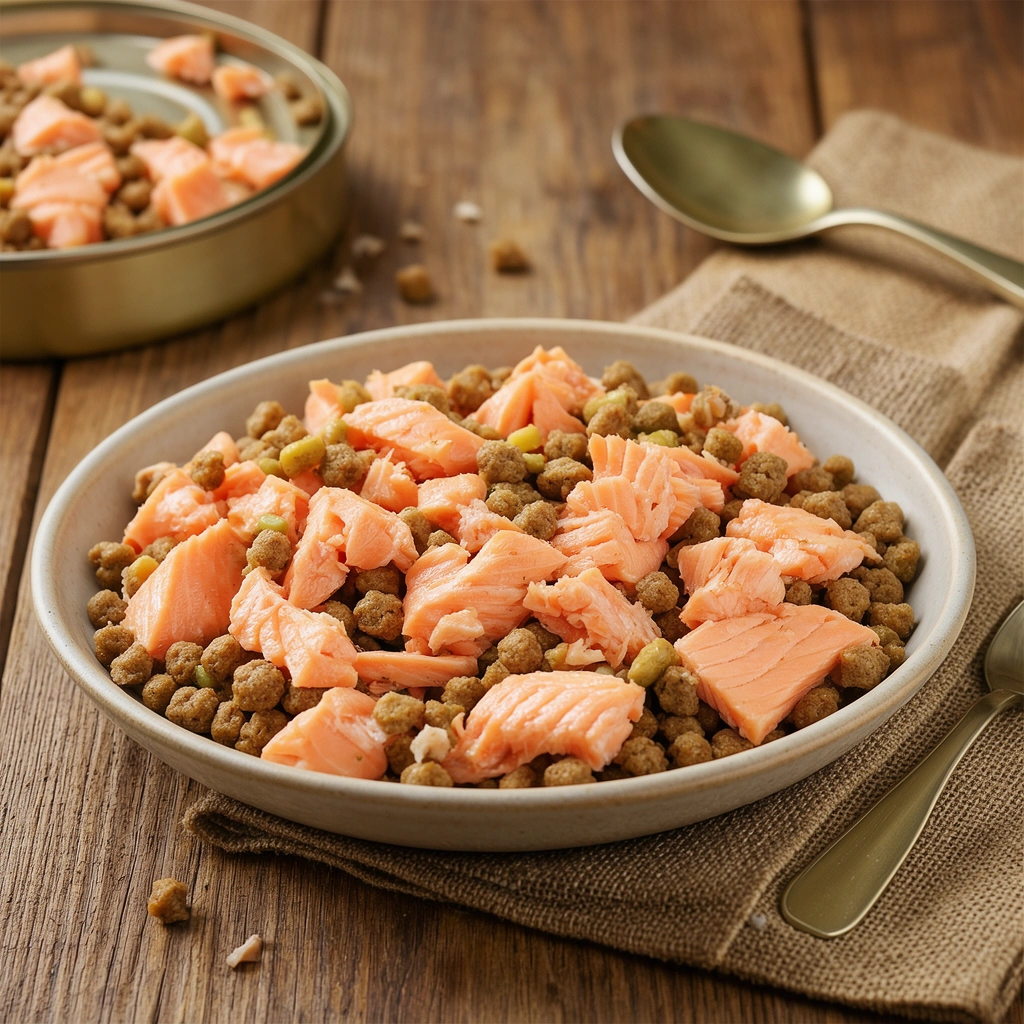
When it comes to feeding your dog, you want to be sure you’re giving them the healthiest, most delicious options possible. I’ve spent years researching and testing dog food recipes to create meals that not only satisfy your pup’s taste buds but also boost their health. In this article, I’ll share everything you need to know about cooking with canned salmon for your furry friend.
So, what makes canned salmon a good choice for dog food recipes? Canned salmon is packed with omega-3 fatty acids, high-quality protein, and essential vitamins like vitamin D and B12. It’s a convenient and affordable ingredient that can enhance your dog’s diet significantly. Incorporating canned salmon into homemade meals supports a shiny coat, strong muscles, and overall well-being.
Keep reading to discover easy-to-follow, nutritious canned salmon dog food recipes along with expert tips on ingredients, preparation, and portioning. You’ll learn how to create balanced meals that your dog will love!
Why Use Canned Salmon in Dog Food?
Canned salmon is an excellent ingredient for dog food because it offers many nutritional benefits in a convenient form. Unlike raw or fresh fish, canned salmon is fully cooked and safe to feed directly to your dog without extra preparation. This reduces the risk of parasites or bacteria. Plus, the canning process preserves important nutrients like omega-3 fatty acids, which promote healthy skin, reduce inflammation, and support brain function.
Salmon is also rich in protein, which is vital for muscle development and repair. It contains vitamins B12 and D, both essential for energy metabolism and immune health. The canned version often includes bones that are soft enough to eat, providing a natural source of calcium for strong teeth and bones.
When selecting canned salmon for your dog’s meals, opt for wild-caught salmon packed in water without added salt, spices, or preservatives. Avoid canned salmon with added flavorings or oils, as these can upset your dog’s stomach.
Understanding the Basics Before Cooking
Before diving into recipes, it’s important to understand the basics of canine nutrition and how canned salmon fits into a balanced diet. Dogs need a mix of protein, carbohydrates, fats, vitamins, and minerals. While salmon provides high-quality protein and healthy fats, it doesn’t cover all nutritional bases alone.
Complement canned salmon with wholesome ingredients like sweet potatoes, brown rice, peas, and carrots to provide fiber and essential nutrients. Add a vitamin and mineral supplement designed for dogs if you’re making homemade food regularly. Always consult your veterinarian before making major dietary changes, especially if your dog has health conditions.
Cooking for your dog is not just about mixing ingredients; it’s about creating balanced meals that are tasty and digestible. Keep portions appropriate for your dog’s size, age, and activity level, and watch for any food sensitivities or allergies.
How To Use Canned Salmon in Dog Food Recipes
Using canned salmon in dog food is simple and versatile. You can prepare it as a main ingredient or mix it into your dog’s regular meals as a tasty topper. Because it’s already cooked, canned salmon can be added directly to cooked grains and veggies or blended into patties and baked treats.
When cooking with canned salmon, drain excess liquid to avoid soggy meals. You can mash the salmon with a fork or chop it finely depending on your dog’s preference. Mix with cooked vegetables, grains, and a small amount of healthy fat like olive or coconut oil to enhance flavor and nutrient absorption.
Here are three delicious, balanced dog food recipes featuring canned salmon that you can try at home.
Salmon and Sweet Potato Mash: Simple and Nutritious
This recipe is a crowd-pleaser for dogs who love hearty, soft food. Sweet potatoes provide a rich source of fiber, vitamins A and C, and antioxidants, complementing the protein and omega-3s in salmon perfectly.
Health Benefits:
- Omega-3 fatty acids support brain and joint health
- Sweet potatoes aid digestion and boost immunity
- Natural antioxidants promote overall wellness
Ingredients:
- 1 can (14 oz) wild-caught salmon in water, drained
- 1 large sweet potato, peeled and cubed
- 1/2 cup peas (fresh or frozen)
- 1 tsp olive oil
- Optional: 1 tbsp plain Greek yogurt (for probiotics)
Instructions:
- Boil sweet potatoes until tender, about 15 minutes.
- Steam peas until soft.
- In a large bowl, mash the sweet potatoes and peas together.
- Flake the canned salmon into the mix.
- Stir in olive oil and Greek yogurt if using.
- Allow to cool before serving.
Practical Tip: Make a larger batch and refrigerate portions for up to three days. Always serve at room temperature to protect your dog’s sensitive mouth.
This recipe is great for all dog breeds and sizes, especially senior dogs who benefit from soft, nutrient-dense meals. It’s easy to digest and supports healthy skin and coat.
Salmon and Brown Rice Patties: Balanced and Portable
These patties are perfect for dogs on the go or as training treats. Combining brown rice with salmon offers a complete protein and carbohydrate source with sustained energy release.
Health Benefits:
- Brown rice provides fiber and essential minerals
- Salmon’s protein supports muscle maintenance
- Healthy fats aid skin hydration and brain function
Ingredients:
- 1 can (14 oz) wild-caught salmon in water, drained and flaked
- 1 cup cooked brown rice
- 1/2 cup grated carrot
- 1 egg (binder)
- 2 tbsp chopped parsley (fresh)
Instructions:
- Preheat oven to 350°F (175°C).
- In a bowl, combine salmon, brown rice, carrot, egg, and parsley.
- Form mixture into small patties.
- Place patties on a lined baking sheet.
- Bake for 20 minutes or until firm and golden.
- Cool completely before offering to your dog.
Practical Tip: Freeze leftover patties in individual portions and thaw as needed. These patties suit active dogs needing extra energy and are a healthy alternative to store-bought treats.
This recipe works well for dogs who enjoy chewing and can handle firmer textures. The inclusion of parsley also helps freshen breath naturally.
Salmon and Vegetable Stew: Warm and Comforting
Ideal for chilly days or dogs recovering from illness, this stew is packed with veggies and salmon for a warming, nutrient-rich meal.
Health Benefits:
- Mixed vegetables supply fiber and antioxidants
- Salmon boosts immune function and reduces inflammation
- Hydrating broth helps maintain fluid balance
Ingredients:
- 1 can (14 oz) wild-caught salmon in water, drained
- 1 cup chopped green beans
- 1/2 cup chopped carrots
- 1/2 cup pumpkin puree (unsweetened)
- 2 cups low-sodium chicken broth (no onions or garlic)
Instructions:
- In a pot, bring chicken broth to a simmer.
- Add green beans and carrots; cook until tender (about 10 minutes).
- Stir in pumpkin puree and canned salmon.
- Simmer for an additional 5 minutes.
- Allow to cool before serving.
Practical Tip: For picky eaters, serve the stew slightly warm and mix with their regular dry kibble for added flavor and moisture.
This stew is gentle on the stomach and perfect for dogs needing extra hydration or those with digestive sensitivities. The pumpkin also helps regulate digestion.
Additional Tips for Cooking with Canned Salmon
When cooking homemade meals for your dog using canned salmon, keep these tips in mind:
- Avoid Seasonings: Dogs don’t need salt, garlic, onions, or spices. These can be toxic or cause digestive issues.
- Portion Control: Use canned salmon as part of a balanced meal, not the sole ingredient. Too much fish can lead to nutrient imbalances.
- Rotate Ingredients: Vary proteins and veggies weekly to provide a range of nutrients and prevent allergies.
- Watch for Allergies: Introduce salmon gradually to check for any adverse reactions.
- Consult Your Vet: Especially if your dog has health conditions, discuss dietary changes with a professional.
How to Store Homemade Salmon Dog Food Safely
Storage is key to keeping homemade dog food fresh and safe. Refrigerate meals in airtight containers and use within 3-4 days. For longer storage, freeze portions in meal-sized containers or silicone molds for easy thawing. Always thaw in the refrigerator and never leave food out for more than two hours.
Can Dogs Eat Canned Salmon Every Day?
While canned salmon is healthy, feeding it daily without variation isn’t ideal. Fish contains certain minerals and oils that are best cycled to avoid buildup. Aim to include canned salmon 2-3 times per week as part of a varied diet. This approach maximizes benefits and minimizes risks.
Summary: Why Canned Salmon is a Winner in Dog Food Recipes
To wrap up, canned salmon is one of the best ingredients you can add to homemade dog food. It’s nutrient-dense, easy to use, and loved by most dogs. Whether you make a hearty mash, protein-packed patties, or a comforting stew, canned salmon provides essential omega-3 fatty acids and proteins that support your dog’s health from nose to tail.
By following these recipes and tips, you can confidently prepare tasty, balanced meals that boost your dog’s energy, skin health, and overall happiness. Remember, I started this article by promising you the most accurate information on canned salmon dog food recipes, and that’s exactly what I’ve delivered. Your dog deserves the best fuel, and canned salmon is a fantastic choice to include in their diet.
Give these recipes a try and watch your dog thrive with every delicious bite!
Thanks for reading! If you want more homemade dog food recipes or tips on canine nutrition, keep exploring and let me know what you want next.