
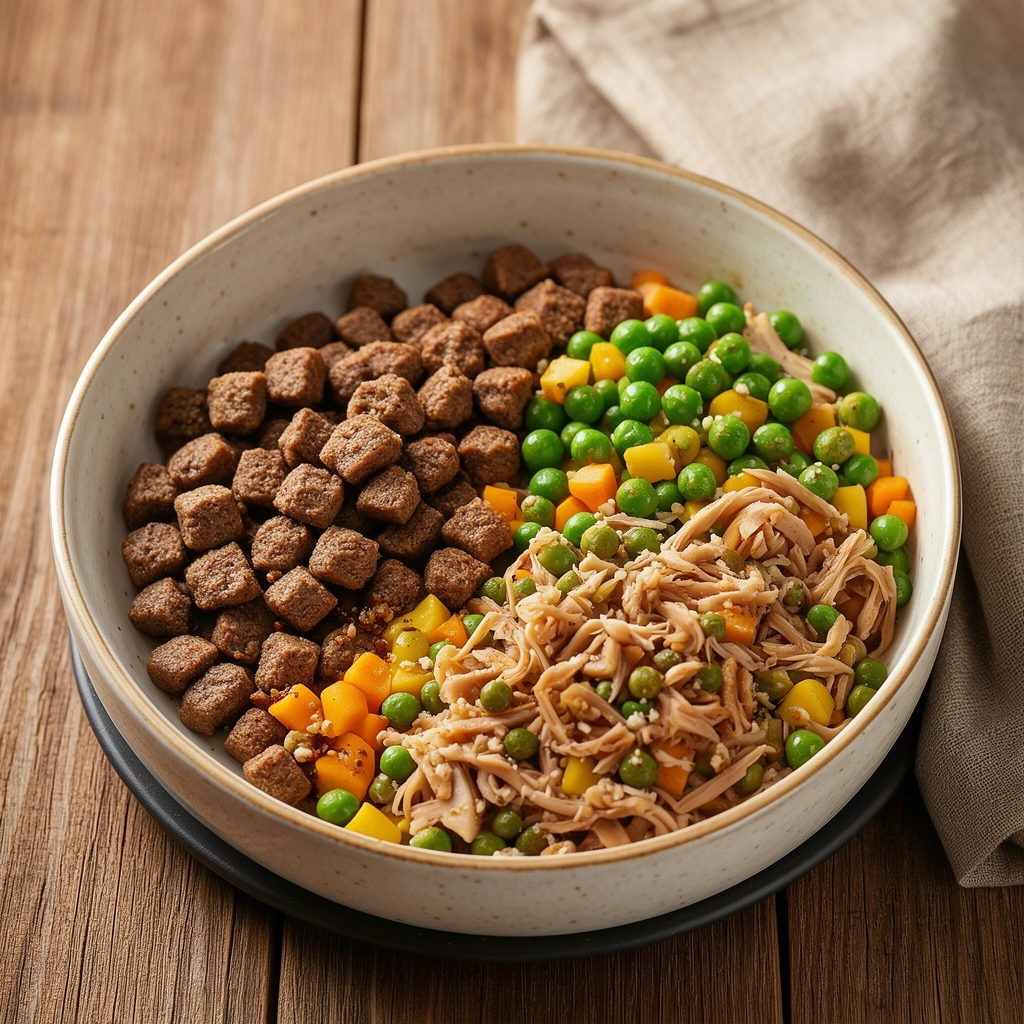
Hey friends! If you’re worried about your furry friend packing on too many pounds, you’re in the right place. I’ve spent years diving deep into dog nutrition and weight control, and I’m here to share the most accurate, helpful info on making homemade dog food tailored specifically for weight management.
So, what’s the best way to help your dog shed some pounds safely? Homemade dog food for weight management involves preparing meals that are balanced, lower in calories, and rich in essential nutrients to promote healthy weight loss. It focuses on high-quality proteins, fiber, and controlled fats while avoiding fillers and empty calories.
Stick around, because I’m going to unpack everything—from the right ingredients to cooking tips, and even tasty recipe ideas that your dog will love and that won’t tip the scales. Let’s get that tail wagging without the extra weight!
Why Homemade Dog Food is Ideal for Weight Management
Making homemade dog food puts you in the driver’s seat when it comes to your dog’s diet. You control exactly what goes into their bowl, avoiding hidden sugars, preservatives, and unnecessary fillers that often sneak into commercial diets. This control is key for weight management.
Dogs need a diet that supports their metabolism without overloading them with calories. Homemade meals allow you to tailor portions, balance macronutrients (protein, fat, carbs), and include fiber-rich veggies that keep your pup fuller longer. Plus, you can adjust ingredients to suit their unique health needs or allergies.
When you prepare food at home, you’re also engaging in your dog’s health actively. It’s easier to track progress when you know what’s going in and can tweak recipes as needed. Homemade dog food for weight management is not just about cutting calories but about fueling your dog with wholesome nutrition.
Understanding Your Dog’s Weight and Nutritional Needs
Before whipping up homemade meals, it’s vital to understand your dog’s unique weight and nutritional profile. Is your dog overweight due to lack of exercise, genetics, or other health issues? Consulting a vet before making big diet changes is always a smart move.
Dogs require a balance of:
- Protein: Supports muscle maintenance during weight loss.
- Fat: Provides energy but should be controlled to avoid excess calories.
- Carbohydrates: Supply energy and fiber but must come from healthy sources.
- Fiber: Keeps digestion regular and aids satiety.
Each dog’s calorie needs vary based on age, breed, activity level, and metabolism. Homemade dog food for weight management must be portion-controlled and nutrient-dense. That means no empty calories or treats sneaking in!
Planning Homemade Dog Food For Weight Management
Let’s talk about planning your dog’s meals. The goal is to create a balanced, low-calorie diet that supports steady weight loss without sacrificing nutrition. Here’s a quick checklist to keep in mind:
- Choose lean proteins like chicken breast, turkey, or fish.
- Incorporate fiber-rich veggies such as green beans, carrots, and pumpkin.
- Limit fats but include healthy sources like fish oil.
- Skip grains if your dog is sensitive, or use whole grains like brown rice sparingly.
- Avoid high-calorie fillers like potatoes and corn in excess.
Remember, homemade dog food is not one-size-fits-all. You might need to experiment a bit with recipes and portion sizes to find what works best for your pup’s weight loss journey.
Key Ingredients for Weight Management Dog Food
When crafting homemade dog food for weight management, ingredient choice is everything. Here’s a breakdown of what to include and why:
Lean Proteins
Proteins help maintain muscle mass and keep your dog feeling full longer.
- Chicken breast (skinless)
- Turkey (lean cuts)
- White fish (cod, tilapia)
- Egg whites (low-fat option)
Fiber-Rich Vegetables
Fiber aids digestion and reduces hunger.
- Green beans
- Broccoli (in moderation)
- Carrots
- Pumpkin (excellent for digestion)
- Zucchini
Healthy Fats (In Moderation)
Fats are essential but must be controlled to avoid weight gain.
- Fish oil (rich in omega-3 fatty acids)
- Flaxseed oil
- Small amounts of olive oil
Carbohydrates (Optional and Limited)
Carbs provide energy but should be low glycemic to avoid blood sugar spikes.
- Brown rice (small portions)
- Quinoa
- Sweet potatoes (in moderation)
What to Avoid
- Processed meats or high-fat cuts
- Excess grains or fillers like corn and wheat
- High-fat dairy products
- Sugary treats or human junk food
Portion Control and Feeding Schedule
A common mistake in dog weight management is overfeeding. Even the healthiest homemade meal can lead to weight gain if portions aren’t controlled.
Tips for portion control:
- Weigh your dog regularly and adjust food portions accordingly.
- Use a kitchen scale to measure ingredients precisely.
- Feed smaller, frequent meals rather than one large meal to keep metabolism steady.
- Avoid free-feeding or leaving food out all day.
Feeding schedule example:
- Morning: 25-30% of daily calories
- Afternoon: 25-30%
- Evening: 40-50%
This routine keeps your dog energized and less likely to beg for snacks.
How Exercise Complements Homemade Dog Food For Weight Management
Weight loss isn’t just about diet. Daily physical activity is crucial for burning calories and maintaining muscle tone. Homemade dog food sets the foundation for healthy weight loss, but consistent exercise accelerates results.
Consider:
- Daily walks (30 minutes to 1 hour)
- Playtime with fetch or tug-of-war
- Swimming for low-impact exercise
- Agility training or canine sports
Exercise also boosts mood and energy levels, helping your dog stay motivated and happy on their weight loss journey.
Recipe Idea 1: Lean Turkey and Veggie Medley
This recipe works because turkey is a lean, high-protein meat that supports muscle maintenance, while fiber-rich veggies promote fullness.
Ingredients:
- 1 pound lean ground turkey
- 1 cup chopped green beans
- 1/2 cup shredded carrots
- 1/2 cup pumpkin puree
- 1 tablespoon fish oil
Health Benefits:
- Turkey provides essential amino acids and is low in fat.
- Green beans and carrots add fiber and vitamins.
- Pumpkin soothes digestion.
- Fish oil adds omega-3 fatty acids, reducing inflammation.
Practical Tip:
Cook turkey thoroughly, then lightly steam the veggies to preserve nutrients. Mix everything and divide into daily portions based on your dog’s calorie needs.
This recipe is ideal for medium to large breeds looking to lose weight safely.
Recipe Idea 2: Chicken and Quinoa Power Bowl
Chicken breast combined with quinoa creates a nutrient-dense meal that’s filling yet low in calories.
Ingredients:
- 1 cup cooked quinoa
- 1 pound skinless chicken breast, diced
- 1/2 cup steamed broccoli florets
- 1/4 cup shredded zucchini
- 1 teaspoon olive oil
Health Benefits:
- Chicken offers lean protein.
- Quinoa is a complete protein and low-glycemic carb.
- Broccoli and zucchini provide antioxidants and fiber.
- Olive oil supports skin and coat health.
Practical Tip:
Cook quinoa according to package instructions, bake or boil chicken, and steam veggies. Mix and portion out according to your dog’s weight loss plan.
Suitable for dogs with grain sensitivities needing a gluten-free option.
Recipe Idea 3: Fish and Pumpkin Delight
Fish is an excellent lean protein source rich in omega-3 fatty acids, and pumpkin aids digestion.
Ingredients:
- 1 pound white fish fillets (cod or tilapia)
- 1 cup pumpkin puree
- 1/2 cup green beans
- 1/4 cup cooked brown rice
- 1 teaspoon flaxseed oil
Health Benefits:
- Fish provides essential fatty acids for heart and joint health.
- Pumpkin is high in fiber, helping with weight management.
- Green beans add bulk without added calories.
- Brown rice offers slow-release energy.
Practical Tip:
Poach the fish gently to retain moisture. Mix all ingredients thoroughly and serve in measured portions.
Great for dogs with allergies or sensitive stomachs needing a gentle diet.
Recipe Idea 4: Egg White and Veggie Scramble
Egg whites are a low-fat, high-protein ingredient perfect for weight control.
Ingredients:
- 4 egg whites
- 1/2 cup chopped spinach
- 1/4 cup diced carrots
- 1 teaspoon olive oil
Health Benefits:
- Egg whites provide lean protein without fat.
- Spinach adds iron and antioxidants.
- Carrots contribute fiber and beta-carotene.
- Olive oil supports coat health.
Practical Tip:
Scramble egg whites in olive oil, add veggies and cook until tender. This quick recipe works well as a supplement or treat.
Perfect for small breeds or as a breakfast boost.
Recipe Idea 5: Turkey and Sweet Potato Stew
Sweet potatoes offer complex carbohydrates and fiber, making this a balanced meal for weight loss.
Ingredients:
- 1 pound lean ground turkey
- 1 cup diced sweet potatoes
- 1/2 cup green peas
- 1/2 cup chopped carrots
- 1 teaspoon fish oil
Health Benefits:
- Turkey maintains lean muscle.
- Sweet potatoes provide vitamins and slow-burning energy.
- Peas and carrots add fiber and nutrients.
- Fish oil supports joint health.
Practical Tip:
Simmer all ingredients in low-sodium broth until tender. Cool before serving, and store leftovers refrigerated.
Ideal for dogs needing more energy but still on a calorie-restricted plan.
Frequently Asked Questions About Homemade Dog Food For Weight Management
Q: Can I just feed my dog less commercial food instead of homemade?
A: Simply reducing commercial food can lead to nutrient imbalances. Homemade food allows you to control nutrients precisely for safe weight loss.
Q: How do I know if my dog is losing weight safely?
A: Monitor weight weekly and consult your vet. Safe weight loss is about 1-2% of body weight per week.
Q: Are there any risks to homemade dog food?
A: Yes, if recipes lack balance or essential nutrients. Always research recipes or consult a canine nutritionist.
Q: Can I add supplements?
A: Some dogs benefit from added vitamins or glucosamine, but check with a vet first.
Conclusion
Homemade dog food for weight management is a powerful tool that puts your dog’s health in your hands. By focusing on lean proteins, fiber-rich veggies, and healthy fats, you can create meals that support steady, safe weight loss while keeping your pup happy and energized. Combining balanced nutrition with portion control and regular exercise sets the stage for lasting health improvements.
Remember, every dog is unique, so tailor recipes and portions to your dog’s specific needs, and always keep your vet in the loop. Ready to start cooking? Your dog’s healthier future is just a bowl away!
And there you have it — a complete guide to homemade dog food for weight management that’s easy to follow, packed with practical tips, and filled with delicious recipes. Now, your dog can enjoy tasty meals that help them stay fit and fabulous.