
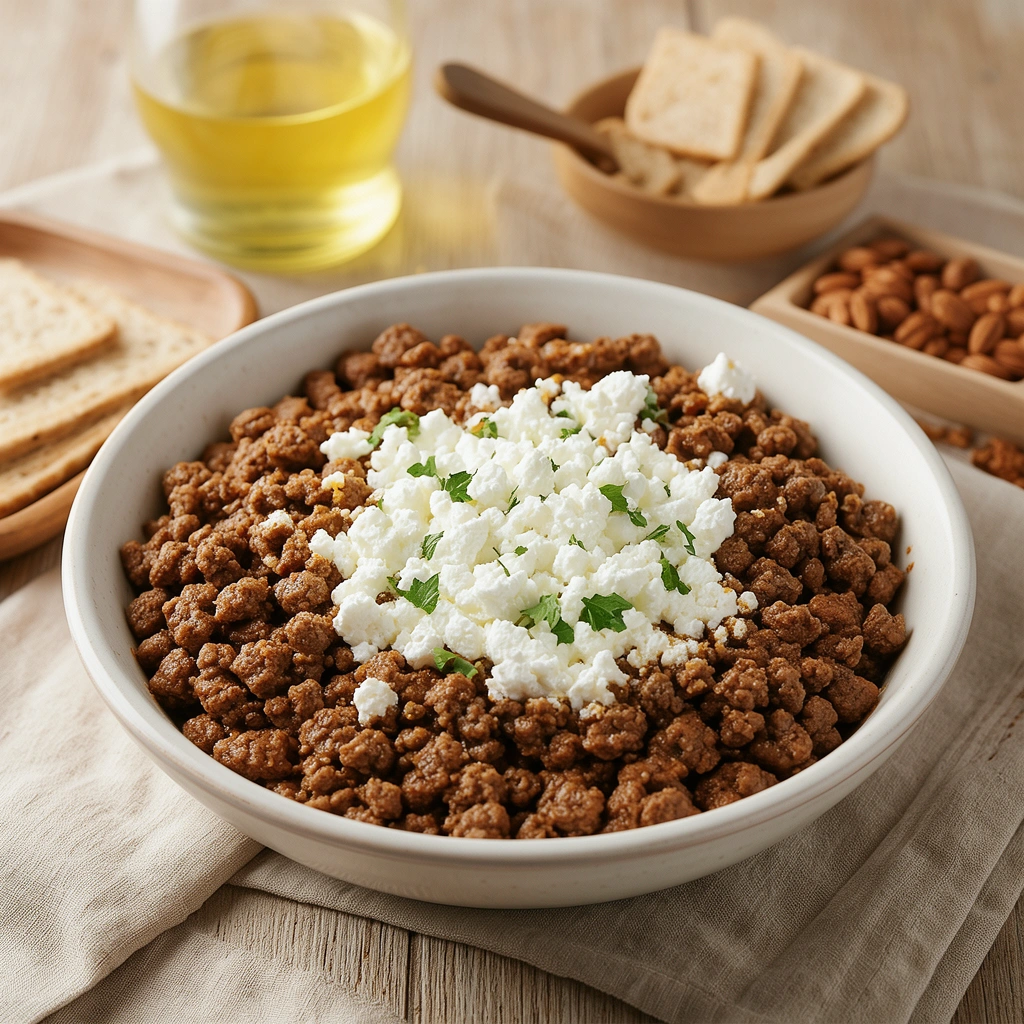
Hey friends! If you’re on the lookout for healthy, tasty dog food recipes with cottage cheese, you’ve come to the right place. I’m here to share some of the best, wholesome ideas that combine nutrition and flavor, perfect for your furry friend’s diet.
So, what are dog food recipes with cottage cheese? Simply put, these are homemade meals that include cottage cheese as a key ingredient, offering a blend of protein, calcium, and probiotics. Cottage cheese is safe for most dogs and can help improve digestion, support bone health, and add variety to their meals.
Stick around as I dive into easy-to-make recipes, tips on selecting the best cottage cheese, and all the important things you should know before feeding your dog this creamy treat.
Why Use Cottage Cheese in Dog Food?
Let’s chat about why cottage cheese is such a great addition to your dog’s diet. Cottage cheese is packed with high-quality protein, which is essential for muscle maintenance and overall energy. It also contains calcium, which supports strong bones and teeth. Plus, cottage cheese has probiotics that can aid your dog’s digestive health.
When you’re choosing cottage cheese for your dog, opt for low-fat or non-fat versions without added salt or seasonings. Plain cottage cheese is best because extra ingredients like garlic, onion, or artificial flavors can be harmful to dogs.
Adding cottage cheese to your dog’s meals creates a creamy texture that many pups love. It’s also a great way to sneak in some extra nutrients without changing their regular diet drastically. Whether mixed with veggies, rice, or lean meats, cottage cheese enhances both taste and nutrition.
Homemade Dog Food Recipes Featuring Cottage Cheese
Ready for some tasty recipes? Below, I’ll share several dog food ideas with cottage cheese that are easy to prepare, nutritious, and tailored to support your dog’s health.
1. Cottage Cheese and Chicken Delight
This recipe is a fantastic balance of lean protein and probiotics, perfect for active dogs.
Chicken provides essential amino acids for muscle repair and energy, while cottage cheese boosts calcium intake and promotes gut health. Adding some steamed carrots or green beans adds fiber and vitamins.
Ingredients:
- 1 cup cooked, shredded chicken breast
- ½ cup low-fat cottage cheese
- ½ cup steamed carrots (chopped)
- ½ cup cooked brown rice
Health Benefits:
- Lean protein supports muscle health
- Calcium strengthens bones and teeth
- Fiber aids digestion
Practical Tip:
Make sure the chicken is skinless and cooked thoroughly without seasoning. Steaming veggies retains their nutrients and makes them easier to digest.
This dish is ideal for most dogs, especially those needing a gentle, protein-rich meal. It suits all breeds and ages, particularly active or growing pups.
Next, let’s explore a recipe that’s great for dogs with sensitive stomachs.
2. Cottage Cheese and Pumpkin Mash
This recipe is a soothing and nutritious meal for dogs with digestive issues.
Pumpkin is famous for its ability to regulate digestion — it can relieve both constipation and diarrhea. When combined with cottage cheese, it adds protein and probiotics to support gut flora.
Ingredients:
- ½ cup pureed pumpkin (plain, not pie filling)
- ½ cup low-fat cottage cheese
- ¼ cup cooked quinoa or oatmeal
Health Benefits:
- Pumpkin provides fiber and antioxidants
- Cottage cheese supports healthy gut bacteria
- Quinoa adds complete proteins and essential amino acids
Practical Tip:
Use fresh or canned pumpkin (without additives) and cook the quinoa thoroughly. Feed this in small amounts initially to monitor your dog’s tolerance.
This recipe is especially helpful for dogs prone to tummy troubles or those transitioning to homemade food.
Next up, a recipe packed with veggies and cottage cheese for balanced nutrition.
3. Veggie-Packed Cottage Cheese Bowl
Here’s a colorful, fiber-rich recipe that adds vitamins and minerals to your dog’s diet.
Mixing cottage cheese with a variety of dog-safe vegetables gives your pup antioxidants and phytonutrients, which support immunity and overall health.
Ingredients:
- ½ cup low-fat cottage cheese
- ¼ cup steamed peas
- ¼ cup steamed sweet potato (mashed)
- 2 tablespoons chopped spinach (lightly steamed)
Health Benefits:
- Sweet potato provides beta-carotene and fiber
- Peas add protein and vitamins
- Spinach offers iron and antioxidants
Practical Tip:
Introduce new vegetables gradually to avoid digestive upset. Always steam or cook veggies to make them easier to digest.
This dish fits well for dogs needing more fiber and antioxidants in their diet. It can complement dry kibble or be a standalone meal.
Next, let’s talk about a high-protein recipe for active dogs.
4. Cottage Cheese and Turkey Power Mix
Turkey is a lean protein that’s gentle on the stomach and rich in vitamins like B6 and niacin. Paired with cottage cheese, it provides a balanced meal that supports muscle growth and energy.
Ingredients:
- 1 cup cooked ground turkey (no seasoning)
- ½ cup low-fat cottage cheese
- ½ cup cooked sweet potato cubes
- 1 tablespoon olive oil (optional)
Health Benefits:
- Turkey supports lean muscle mass
- Cottage cheese adds calcium and probiotics
- Olive oil contributes healthy fats for coat health
Practical Tip:
Cook turkey thoroughly and drain any excess fat. Adding olive oil is optional but beneficial for skin and coat.
This recipe is perfect for active or working dogs needing a protein boost with balanced fats and carbs.
Next, I’ll share a recipe that’s great for senior dogs with sensitive digestion.
5. Gentle Cottage Cheese and Rice Blend
Simple and gentle, this recipe focuses on easy-to-digest ingredients that still pack a nutritional punch.
White or brown rice provides carbohydrates for energy, while cottage cheese adds protein and probiotics that support digestion.
Ingredients:
- 1 cup cooked white or brown rice
- ½ cup low-fat cottage cheese
- ¼ cup steamed zucchini (chopped)
Health Benefits:
- Rice is a gentle carbohydrate source
- Cottage cheese aids digestive health
- Zucchini offers vitamins C and A
Practical Tip:
Use rice that is well-cooked and soft. Avoid adding salt or seasoning.
Ideal for older dogs or those recovering from illness, this recipe provides easy digestion without sacrificing nutrition.
Understanding Cottage Cheese and Dog Health: What You Need to Know
Before you start adding cottage cheese to your dog’s meals, it’s important to understand a few key things about safety and nutrition.
- Lactose Tolerance: Most dogs can handle small amounts of cottage cheese, but some are lactose intolerant. Watch for signs like diarrhea or gas.
- Fat Content: Choose low-fat or non-fat cottage cheese to avoid unnecessary calories and fat, especially if your dog is overweight.
- No Additives: Avoid flavored or salted cottage cheese, as ingredients like garlic and onion powder can be toxic.
- Portion Size: Cottage cheese should be a supplement, not the main ingredient. Typically, 10% or less of your dog’s daily calorie intake is safe.
If you notice any adverse reactions, stop feeding cottage cheese and consult your vet.
How to Incorporate Cottage Cheese Into Your Dog’s Diet
Introducing new foods requires care. Here’s a quick guide to adding cottage cheese safely:
- Start with a small amount (1-2 teaspoons) mixed into your dog’s regular food.
- Observe for any digestive upset over 24-48 hours.
- Gradually increase the amount if no issues arise.
- Use cottage cheese as a treat or meal topper, not as a meal replacement.
- Ensure your dog’s overall diet remains balanced with appropriate protein, fats, and carbohydrates.
By following these steps, you’ll keep your dog healthy and happy.
Cottage Cheese and Homemade Dog Food: Tips for Success
Making homemade dog food with cottage cheese is rewarding but requires some planning:
- Balance is Key: Combine cottage cheese with lean proteins, whole grains, and veggies for a complete meal.
- Avoid Harmful Foods: Never use ingredients like onions, garlic, grapes, raisins, or chocolate.
- Cook Thoroughly: Always cook meats and grains to avoid bacterial contamination.
- Consult a Vet: For dogs with allergies or special diets, check with your vet before introducing new recipes.
- Storage: Prepare meals in batches and store leftovers in the fridge up to 3 days or freeze for longer.
With these tips, you can confidently prepare nutritious and tasty meals your dog will love.
Frequently Asked Questions About Cottage Cheese in Dog Food
Is cottage cheese safe for all dogs?
Mostly yes, but dogs with lactose intolerance or dairy allergies should avoid it.
How much cottage cheese can I feed my dog daily?
Keep it to no more than 10% of their daily calories, roughly 1-2 tablespoons for medium-sized dogs.
Can puppies eat cottage cheese?
Yes, in small amounts, as long as they aren’t lactose intolerant.
Does cottage cheese help with dog digestion?
Yes, it contains probiotics that support healthy gut bacteria.
Conclusion
Dog food recipes with cottage cheese are a fantastic way to add protein, calcium, and probiotics to your dog’s diet. From high-protein meals like the Chicken Delight to gentle options like the Rice Blend, these recipes suit a variety of needs and preferences. Remember to choose plain, low-fat cottage cheese and introduce it gradually to avoid digestive issues. With a little care and creativity, you can whip up healthy, delicious dishes that your dog will eagerly enjoy.
So next time you’re thinking about mixing up your dog’s meals, consider cottage cheese — it’s a simple ingredient with big benefits!