
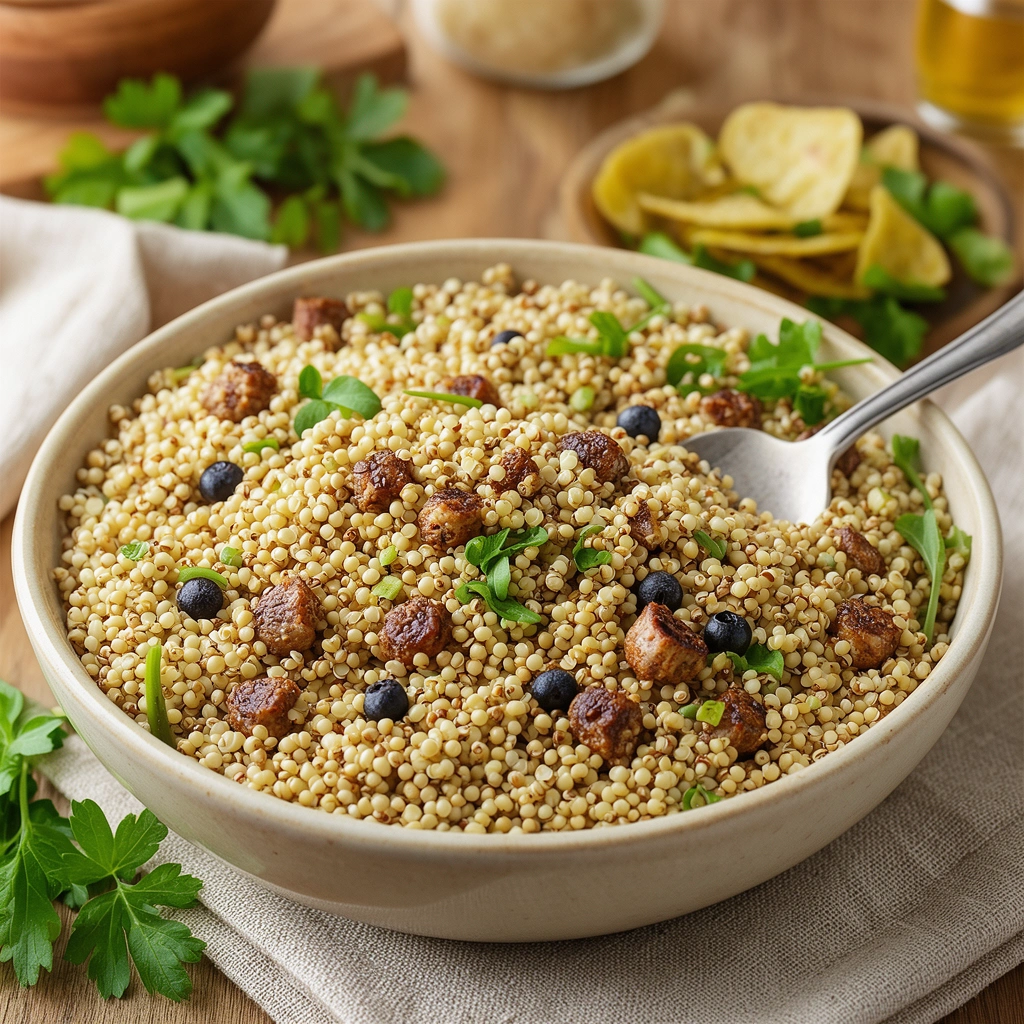
If you’re like me, you want the very best for your furry friend — especially when it comes to their diet. I’ve spent years researching and experimenting with homemade dog food recipes, and I can confidently say quinoa is one of the most nutritious ingredients you can add to your dog’s meals. Quinoa offers a powerhouse of nutrients that support your dog’s overall health, and when used properly, it can be a fantastic base for homemade dog food.
So, what makes quinoa such a great choice for dogs? Quinoa is a gluten-free, protein-rich grain that contains essential amino acids, fiber, vitamins, and minerals. It is safe for most dogs, aids digestion, boosts energy, and promotes a shiny coat. This article will give you everything you need to know about making homemade dog food recipes using quinoa — from the health benefits to practical recipes you can try today.
Ready to transform your dog’s meals? Keep reading to discover simple, healthy, and delicious quinoa-based recipes that your dog will love. Plus, I’ll share tips to make sure you get the balance just right for your dog’s unique needs.
Why Quinoa Is an Excellent Ingredient for Homemade Dog Food
Let’s talk about quinoa — what it actually is and why it stands out among other grains and alternatives. Quinoa is technically a seed, but it cooks and feels like a grain, making it an excellent carbohydrate source. It’s packed with complete protein, meaning it contains all nine essential amino acids that dogs need for muscle development and repair.
Aside from protein, quinoa provides:
- Fiber to support digestion and regulate bowel movements
- Vitamins B and E for energy production and antioxidant protection
- Minerals like magnesium, phosphorus, and iron that promote bone health and oxygen transport in the blood
One of the biggest advantages of quinoa is that it’s gluten-free, making it ideal for dogs with sensitivities or allergies to wheat and other gluten-containing grains. Unlike rice or corn, quinoa has a lower glycemic index, which helps prevent blood sugar spikes — a huge benefit for dogs prone to diabetes or weight issues.
When preparing quinoa for your dog, always rinse it thoroughly to remove saponins, a natural coating that can cause digestive upset. Cooking quinoa until it’s fluffy and soft makes it easier for your dog to digest. Adding quinoa to homemade dog food introduces a balanced, nutrient-dense ingredient that supports your dog’s vitality.
Understanding Your Dog’s Nutritional Needs When Using Quinoa
Before diving into recipes, it’s important to know how quinoa fits into your dog’s overall diet. Dogs require a balance of protein, fats, carbohydrates, vitamins, and minerals to thrive. Quinoa provides protein and carbs but is not a complete food on its own.
Here’s how quinoa slots into your dog’s meal plan:
- Protein: Quinoa contributes a significant amount of plant-based protein but should be paired with animal proteins (like chicken, beef, or fish) for complete amino acid coverage.
- Carbohydrates: As a complex carb, quinoa offers steady energy without causing blood sugar spikes.
- Fats: Healthy fats (from oils or animal fats) are essential for brain function and coat health.
- Vitamins & Minerals: Quinoa adds valuable nutrients but should be complemented with vegetables and supplements as recommended by a vet.
If you’re switching your dog to homemade food with quinoa, do so gradually over 7-10 days to avoid digestive issues. Always consult your veterinarian, especially if your dog has health conditions or food allergies.
Classic Quinoa and Chicken Delight for Dogs
This recipe is a go-to for many dog owners because it combines lean protein with the nutritional goodness of quinoa and vegetables. It’s gentle on the stomach, balanced, and easy to prepare.
Ingredients:
- 1 cup cooked quinoa (rinsed and fully cooked)
- 1 lb boneless, skinless chicken breast (cooked and shredded)
- 1 cup carrots (finely chopped or grated)
- 1 cup green beans (steamed and chopped)
- 1 tablespoon olive oil (for healthy fats)
- 1/4 cup pumpkin puree (optional for digestion)
Why This Recipe Works:
Chicken provides high-quality, digestible protein vital for muscle health, while quinoa offers a complete plant protein and fiber. Carrots and green beans add fiber, vitamins, and antioxidants. Olive oil supplies essential fatty acids for skin and coat health.
Pro Tip:
Cook the quinoa separately and let it cool before mixing it with the chicken and veggies. Avoid seasoning the food with salt or spices, as dogs don’t require them and some can be harmful.
This combination is suitable for all dog breeds and life stages, making it a versatile recipe to keep in your rotation.
Quinoa, Beef, and Sweet Potato Power Bowl
If your dog prefers red meat or you want to switch up the protein source, this recipe is a nutritious alternative. Beef is rich in iron and zinc, which support your dog’s immune system and energy levels.
Ingredients:
- 1 cup cooked quinoa
- 1 lb lean ground beef (cooked and drained)
- 1 medium sweet potato (cooked and mashed)
- 1/2 cup peas (steamed)
- 1 tablespoon flaxseed oil (for omega-3 fatty acids)
Health Benefits:
Sweet potatoes provide beta-carotene and fiber, which promote vision and digestive health. Peas bring antioxidants and additional fiber to the mix. Flaxseed oil enhances coat shine and supports joint health.
Practical Tip:
Use lean beef to avoid excessive fat intake and drain the grease after cooking. Serve this meal at room temperature to avoid upsetting your dog’s stomach.
This hearty recipe is perfect for active dogs or those needing extra calories.
Quinoa and Salmon Superfood Mix
Salmon is a fantastic source of omega-3 fatty acids and high-quality protein, fantastic for dogs with allergies or sensitive skin. This recipe combines quinoa with salmon to deliver a nutrient-packed meal.
Ingredients:
- 1 cup cooked quinoa
- 1 lb cooked salmon (bones removed)
- 1/2 cup spinach (lightly steamed)
- 1/2 cup blueberries (fresh or frozen)
- 1 teaspoon coconut oil
Why It’s Great:
Omega-3s from salmon and coconut oil reduce inflammation and support brain and heart health. Spinach adds iron and antioxidants, while blueberries provide immune-boosting vitamins.
Implementation Advice:
Always ensure the salmon is fully cooked and bones are removed to prevent choking hazards. Blueberries can be served whole or mashed depending on your dog’s preference.
This recipe is especially beneficial for senior dogs or those with joint issues.
Quinoa, Turkey, and Pumpkin Digestive Aid
Pumpkin is well-known for its digestive benefits, making this recipe a great choice for dogs with sensitive stomachs or mild constipation issues.
Ingredients:
- 1 cup cooked quinoa
- 1 lb ground turkey (cooked)
- 1/2 cup pumpkin puree (canned, unsweetened)
- 1/2 cup zucchini (grated and lightly cooked)
- 1 tablespoon fish oil
Why This Works:
Turkey is a lean protein that’s easy to digest. Pumpkin adds fiber and moisture to regulate bowel movements. Zucchini provides hydration and nutrients without adding many calories.
Practical Tip:
Use canned pumpkin, not pumpkin pie filling, to avoid added sugars or spices. Fish oil supports skin health and reduces inflammation.
Ideal for dogs recovering from digestive upset or those with sensitive tummies.
Quinoa and Vegetable Medley for Vegan Dogs (Supplemented)
While dogs are primarily carnivores, some owners prefer a vegetarian or vegan diet for ethical reasons. Quinoa’s complete protein makes it a key ingredient for such diets, but supplementation is essential.
Ingredients:
- 1 cup cooked quinoa
- 1 cup cooked lentils or chickpeas (for plant protein)
- 1 cup mixed vegetables (carrots, peas, green beans)
- 1 tablespoon flaxseed oil
- Vitamin and mineral supplements as advised by a vet
Benefits and Cautions:
This recipe can provide balanced nutrition if carefully supplemented with taurine, vitamin B12, and other essentials missing from plant-only diets. Quinoa and legumes supply protein and fiber, while vegetables add micronutrients.
Implementation Advice:
Work closely with a veterinary nutritionist to ensure all dietary requirements are met. Avoid feeding this exclusively without proper supplements.
This option suits dogs with allergies to meat or owners pursuing a plant-based lifestyle responsibly.
Tips for Safely Incorporating Quinoa into Your Dog’s Diet
When adding quinoa to homemade dog food, keep these safety and preparation tips in mind:
- Always rinse quinoa thoroughly to remove bitter saponins.
- Cook quinoa completely; raw quinoa can be hard to digest.
- Introduce quinoa gradually over 7-10 days to monitor for allergies or digestive issues.
- Avoid seasoning or adding salt, garlic, onions, or spices toxic to dogs.
- Balance quinoa with animal protein sources or supplements to meet all amino acid needs.
- Store homemade meals properly in airtight containers and refrigerate or freeze leftovers.
By following these guidelines, you’ll maximize quinoa’s benefits while keeping your dog safe and happy.
Frequently Asked Questions About Quinoa for Dogs
Is quinoa safe for all dog breeds?
Yes, quinoa is generally safe for all breeds, but dogs with specific allergies or digestive issues should be monitored closely when introducing it.
Can dogs eat uncooked quinoa?
No, uncooked quinoa contains saponins and is difficult to digest. Always cook quinoa thoroughly before feeding.
How much quinoa should I feed my dog?
Quinoa should make up no more than 25-30% of the meal, balanced with protein, fats, and vegetables.
Can puppies eat quinoa?
Yes, but start with small amounts and consult your vet to ensure balanced nutrition for growing pups.
Conclusion
Homemade dog food recipes using quinoa offer a nutritious and delicious way to support your dog’s health. Quinoa’s complete protein, fiber, vitamins, and minerals make it an excellent addition to balanced meals. Whether you’re cooking up chicken and quinoa delights, salmon superfood mixes, or vegetarian options, quinoa can boost your dog’s energy, digestion, and overall well-being.
Remember to prepare quinoa properly, balance it with other nutrients, and consult your vet for your dog’s specific needs. With these recipes and tips, you’re well on your way to providing wholesome, homemade meals that your dog will love — and that you can feel great about serving. Try incorporating quinoa into your dog’s diet today and watch them thrive!
Homemade dog food recipes using quinoa can transform your dog’s mealtime into a healthy, tasty experience. Give these recipes a try and see the difference in your dog’s vitality and happiness.