
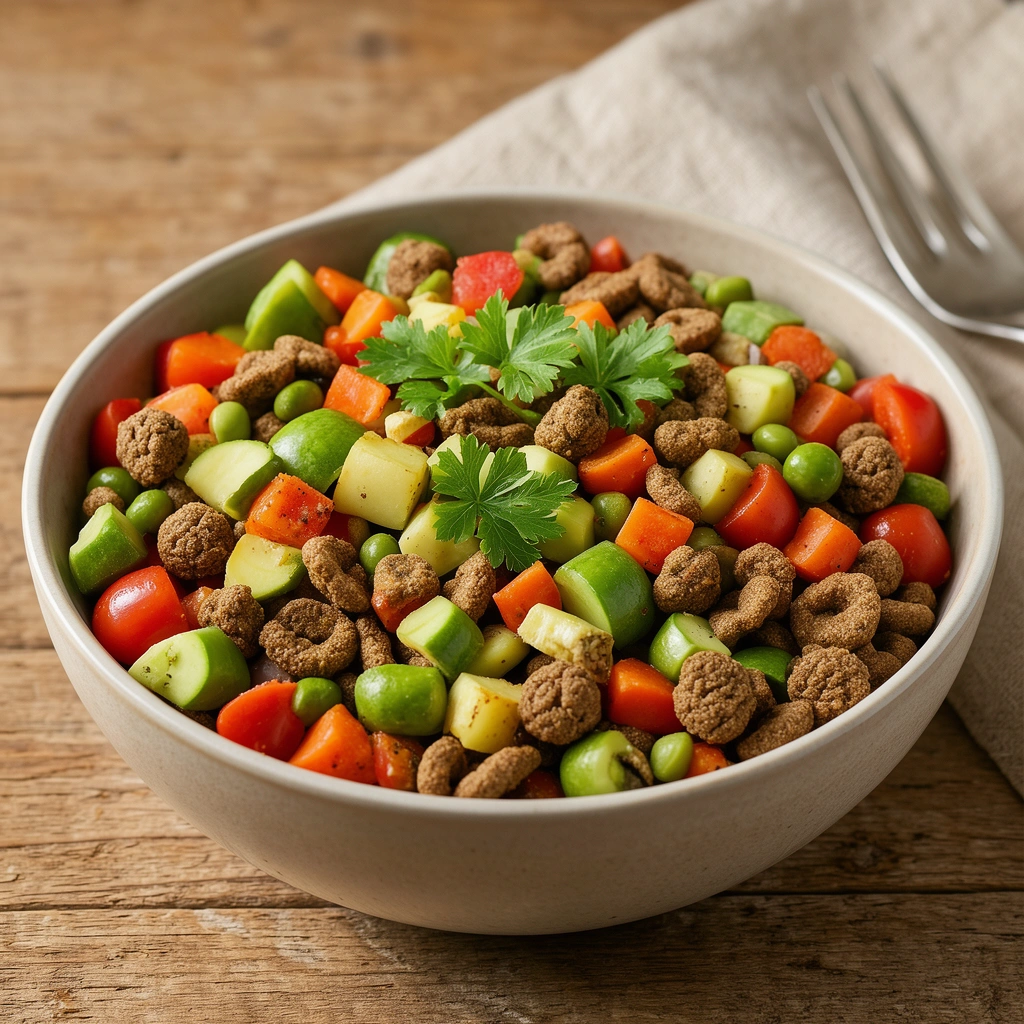
When it comes to feeding our furry friends, I understand how important it is to find the best and healthiest options. With years of experience researching dog nutrition, I’m confident I can guide you through making organic dog food recipes that will keep your dog happy and healthy. My goal is to give you clear, accurate, and practical advice that you can trust.
So what exactly is organic dog food, and how can you make it at home? Organic dog food recipes use natural, chemical-free ingredients that provide balanced nutrition for dogs. These recipes avoid artificial additives and focus on whole foods that support your dog’s overall well-being and immune system. By preparing organic meals yourself, you control the quality and freshness of your pet’s diet.
Ready to dive deeper? I’ll walk you through simple and nutritious organic dog food recipes, share tips on ingredient selection, and explain how these meals benefit your dog’s health. Let’s get started on crafting wholesome meals your dog will love!
Why Choose Organic Dog Food?
Choosing organic dog food means prioritizing your dog’s health by feeding them food free from harmful pesticides, synthetic fertilizers, and genetically modified organisms (GMOs). Organic ingredients are grown in natural environments, which helps preserve their nutrients and reduce exposure to toxins. This results in food that supports better digestion, healthier skin and coat, and a stronger immune system.
Organic dog food recipes focus on whole foods like organic vegetables, grains, and ethically sourced meat. These ingredients not only provide essential nutrients but also reduce the risk of allergies and food sensitivities common in dogs fed commercial processed foods. Plus, organic food supports sustainable farming practices, making it an eco-friendly choice.
When selecting ingredients for homemade organic dog food, look for labels that guarantee USDA organic certification or equivalent standards. Freshness matters, so try to use seasonal produce and organic meat sourced locally when possible. This will ensure your dog gets the best nutrition with minimal additives or preservatives.
How to Make Organic Dog Food at Home
Creating organic dog food at home is easier than you might think! Start with a balanced recipe that includes protein, carbohydrates, fats, and necessary vitamins and minerals. Common organic ingredients include:
- Organic chicken, beef, turkey, or fish
- Brown rice, quinoa, or organic oats
- Organic carrots, peas, spinach, and sweet potatoes
- Healthy fats like flaxseed oil or coconut oil
Cook proteins thoroughly to eliminate harmful bacteria, and steam or lightly cook vegetables to preserve nutrients. Avoid artificial seasonings, onions, garlic, grapes, and chocolate, as these can be toxic to dogs. Always consult with your vet to ensure your recipes meet your dog’s specific dietary needs.
Meal prepping and portioning will save time and help maintain consistency in your dog’s diet. Store leftovers in airtight containers in the fridge or freezer for convenience. Making organic dog food at home not only ensures freshness but also strengthens your bond with your pet.
Balanced Organic Dog Food Recipe: The Basics
A balanced dog food recipe must include the right proportions of:
- Protein: Essential for muscle maintenance and energy. (e.g., organic chicken or fish)
- Carbohydrates: Provides energy and fiber for digestion. (e.g., brown rice, quinoa)
- Vegetables: Supply vitamins, minerals, and antioxidants. (e.g., carrots, peas)
- Fats: Support brain health and coat quality. (e.g., flaxseed oil)
By combining these elements, you create meals that mimic a dog’s natural diet. Ensure proteins make up about 40-50% of the meal, carbs 20-30%, and vegetables 20-30%. Fats should be added in small quantities, approximately 5-10%.
Adding supplements like calcium (from crushed eggshells or bone meal) and omega-3 fatty acids can further enhance the meals. Always tailor recipes based on your dog’s age, size, and health condition.
Recipe Idea #1: Organic Chicken and Sweet Potato Delight
This recipe is a crowd-pleaser for dogs who love a hearty and wholesome meal. Chicken is a lean protein that offers essential amino acids, while sweet potatoes provide digestible carbohydrates and vitamins A and C.
Ingredients:
- 2 cups organic chicken breast, cooked and shredded
- 1 cup organic sweet potatoes, boiled and mashed
- 1/2 cup organic peas, steamed
- 1/4 cup organic carrots, finely chopped
- 1 tablespoon organic coconut oil
- 1/2 teaspoon ground flaxseed
Health Benefits:
Chicken supports muscle health and energy, sweet potatoes aid digestion, and peas and carrots provide antioxidants and fiber. Coconut oil improves skin and coat, and flaxseed adds omega-3 fatty acids for brain and joint health.
Practical Tip:
Cook all ingredients separately to maintain texture and nutrients, then mix thoroughly. Serve at room temperature and store leftovers in an airtight container in the fridge for up to three days.
This recipe is versatile and suits most dog breeds, especially those with sensitive stomachs or allergies.
Recipe Idea #2: Organic Beef and Quinoa Power Bowl
Beef is a rich source of iron and B vitamins, essential for oxygen transport and energy metabolism. Quinoa is a gluten-free grain packed with protein and fiber, making this recipe excellent for active dogs.
Ingredients:
- 2 cups organic lean ground beef, cooked
- 1 cup cooked organic quinoa
- 1/2 cup organic spinach, steamed and chopped
- 1/4 cup organic pumpkin puree
- 1 tablespoon organic flaxseed oil
Health Benefits:
Beef supports muscle growth and vitality, quinoa aids digestion and provides sustained energy, spinach offers iron and antioxidants, and pumpkin helps regulate digestion.
Practical Tip:
Add pumpkin puree to keep the meal moist and easy to digest. This recipe works well for working dogs or those needing extra energy.
Recipe Idea #3: Organic Turkey and Vegetable Medley
Turkey is a gentle protein source that’s low in fat and rich in amino acids. Combined with a colorful mix of vegetables, this recipe is perfect for dogs needing a nutrient-dense, low-calorie meal.
Ingredients:
- 2 cups organic ground turkey, cooked
- 1/2 cup organic green beans, steamed and chopped
- 1/2 cup organic zucchini, diced and steamed
- 1/2 cup organic brown rice, cooked
- 1 tablespoon organic olive oil
Health Benefits:
Turkey provides lean protein, green beans and zucchini offer vitamins and antioxidants, and brown rice gives fiber and energy. Olive oil supports skin health and reduces inflammation.
Practical Tip:
Steam vegetables gently to retain nutrients. Great for dogs prone to weight gain or with joint issues.
Recipe Idea #4: Organic Fish and Oatmeal Feast
Fish like salmon or whitefish are excellent sources of omega-3 fatty acids, which promote heart health and a shiny coat. Oatmeal is a gentle carbohydrate that helps with digestion.
Ingredients:
- 2 cups organic cooked whitefish or salmon, deboned
- 1 cup organic oatmeal, cooked
- 1/2 cup organic carrots, grated and steamed
- 1/4 cup organic peas, steamed
- 1 teaspoon organic fish oil (optional)
Health Benefits:
Omega-3s reduce inflammation and support brain function, oatmeal provides fiber and energy, and carrots and peas add antioxidants and vitamins.
Practical Tip:
Ensure fish is thoroughly cooked and bones removed. This recipe is ideal for dogs with skin allergies or arthritis.
Recipe Idea #5: Organic Lamb and Vegetable Stew
Lamb is a flavorful protein choice rich in zinc and iron. When combined with nutrient-packed vegetables, it makes a comforting and nutrient-dense meal.
Ingredients:
- 2 cups organic ground lamb, cooked
- 1/2 cup organic sweet potatoes, diced and boiled
- 1/2 cup organic green beans, steamed
- 1/4 cup organic carrots, diced and steamed
- 1 tablespoon organic flaxseed oil
Health Benefits:
Lamb supports immune health and muscle repair, sweet potatoes and carrots provide antioxidants, and green beans add fiber. Flaxseed oil supports joint health.
Practical Tip:
Slow cook the stew for better flavor and nutrient retention. Best for dogs with food sensitivities or those needing nutrient-rich meals.
Important Considerations for Organic Dog Food
When preparing organic dog food, keep the following in mind:
- Portion Control: Avoid overfeeding by calculating your dog’s caloric needs based on weight and activity level.
- Avoid Toxic Foods: Never include onions, garlic, grapes, raisins, chocolate, or artificial sweeteners.
- Vet Consultation: Always discuss dietary changes with your vet to ensure balanced nutrition and rule out allergies.
- Supplement Wisely: Some dogs may need added vitamins or minerals; consult a professional before adding supplements.
- Food Safety: Store homemade food properly to prevent spoilage and bacterial growth.
By following these guidelines, you’ll ensure your dog benefits fully from organic meals while minimizing health risks.
How to Transition Your Dog to Organic Food
Switching your dog to organic food should be gradual to avoid digestive upset. Begin by mixing 25% organic home-cooked food with 75% current diet. Over 7-10 days, increase the organic portion until your dog fully transitions.
Watch for any signs of allergies or intolerance such as itching, vomiting, or diarrhea. If symptoms appear, slow down the transition or consult your vet. Patience during this process will help your dog adjust comfortably to their new, healthier diet.
Benefits of Making Your Own Organic Dog Food
Homemade organic dog food offers many advantages:
- Control Over Ingredients: You know exactly what goes into your dog’s meals.
- Freshness: Meals are prepared fresh, preserving nutrients and flavor.
- Customization: Recipes can be tailored to your dog’s allergies, preferences, and health needs.
- Cost-Effective: Often cheaper than premium commercial organic dog foods.
- Bonding: Cooking for your dog strengthens your relationship.
By choosing to make organic dog food at home, you invest in your dog’s long-term health and happiness.
Summary
Organic dog food recipes provide a wholesome, nutrient-rich alternative to commercial dog foods. By using fresh, chemical-free ingredients like organic meats, vegetables, and whole grains, you can offer your dog meals that support their health, energy, and longevity. Through balanced recipes like chicken and sweet potato delight or beef and quinoa power bowls, you ensure your dog receives essential nutrients without harmful additives.
Making organic dog food at home empowers you to control quality and tailor meals to your dog’s unique needs. Remember to transition slowly, avoid toxic foods, and consult your vet regularly. With these recipes and tips, you’re well on your way to nourishing your dog naturally and deliciously.
Feeding your dog organic food is a loving choice that reaps lifelong benefits. Start cooking today and watch your furry friend thrive!
Keywords: Organic dog food recipes