
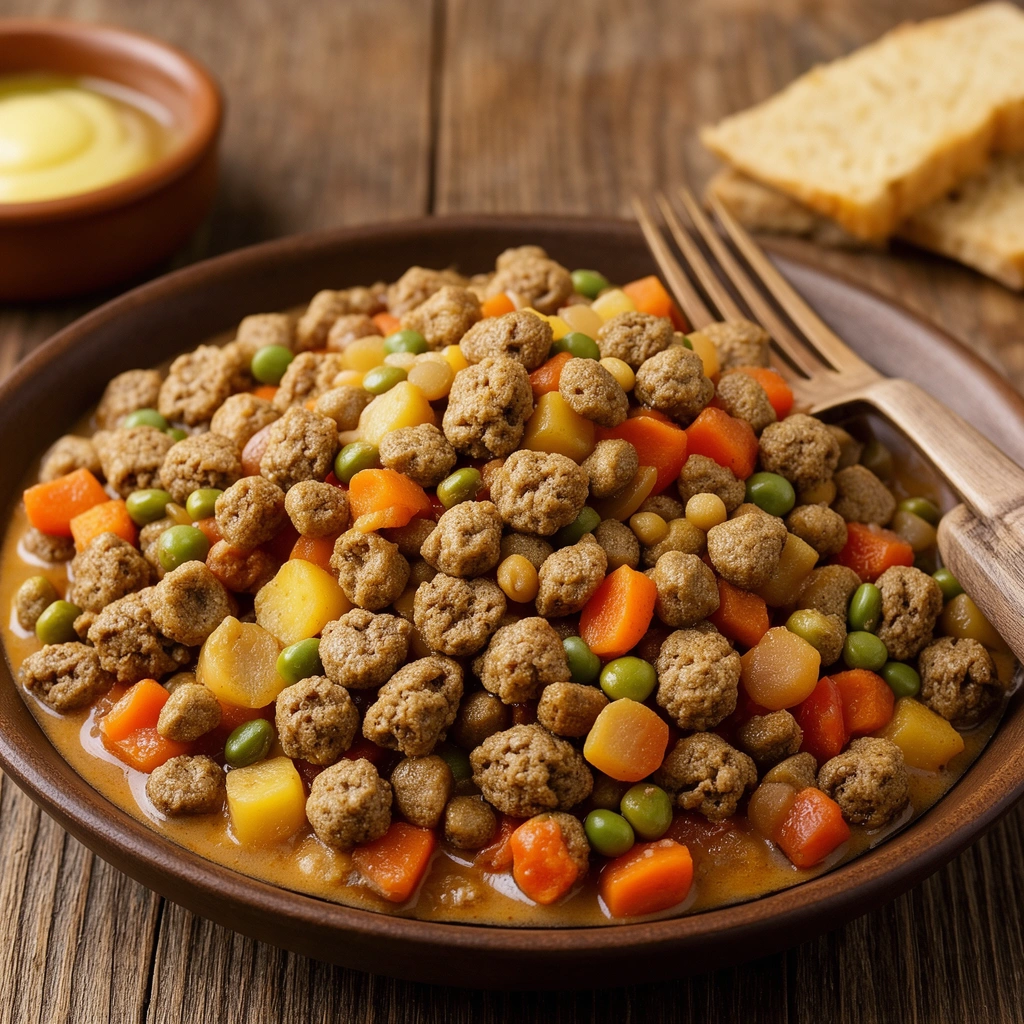
When it comes to helping your dog gain weight healthily, I understand how important it is to get the right information. Over the years, I’ve gathered accurate and practical advice that works, so you can trust what you’re about to read. No fluff, just solid facts and recipes that are easy to make and beneficial for your furry friend.
So, how do you prepare dog food recipes for weight gain? The answer lies in choosing nutrient-dense ingredients rich in proteins, healthy fats, and essential vitamins. Combining these with balanced carbohydrates ensures your dog gains weight steadily and safely. Homemade recipes tailored to your dog’s needs provide better control over their diet and health.
Keep reading because I’ll share detailed recipes, tips on ingredient choices, and practical advice on how to help your dog put on healthy pounds without risking health issues.
Understanding the Basics of Dog Weight Gain
Before diving into recipes, let’s talk about why dogs might need to gain weight and how to do it right. Dogs lose weight or stay underweight for many reasons: high metabolism, illness, stress, or lack of appetite. Simply feeding more junk won’t help—it can cause digestive issues or obesity.
Healthy weight gain for dogs focuses on:
- Increasing calorie intake without overfeeding empty calories.
- Supporting muscle growth with high-quality protein.
- Adding healthy fats for energy density.
- Providing essential vitamins and minerals for overall health.
Choosing the right foods and recipes can make a huge difference in your dog’s energy levels and wellbeing. This approach suits both picky eaters and dogs recovering from illness or surgery.
Why Homemade Dog Food Recipes Are Ideal for Weight Gain
When you cook for your dog, you control the ingredients and quality. Commercial weight gain dog foods often contain fillers or artificial additives that may not suit all dogs. Homemade recipes allow you to customize meals based on your dog’s preferences and nutritional needs.
Plus, fresh ingredients enhance flavor, making meals more appealing to dogs who have lost their appetite. You can also avoid allergens and tailor meals for specific health conditions.
Homemade dog food recipes for weight gain combine nutrient-rich proteins, fats, and carbs in balanced proportions — making it easier and safer for your dog to gain weight steadily.
High-Protein Chicken and Rice Recipe: The Classic Muscle Builder
If your dog needs to build muscle and gain lean weight, protein is key. Chicken is a fantastic source of lean protein that supports muscle repair and growth. Paired with rice, it provides easily digestible carbohydrates for energy.
Ingredients:
- 2 cups cooked chicken (skinless, boneless)
- 1 cup cooked brown rice
- 1/2 cup cooked carrots
- 2 tablespoons olive oil
- 1/4 cup cottage cheese (optional for extra protein)
Health Benefits:
- Chicken provides essential amino acids that support muscle mass.
- Brown rice is a good source of fiber and energy.
- Olive oil adds healthy fats, which increase calorie density.
- Cottage cheese offers calcium and extra protein.
Practical Tip: Cook chicken thoroughly and shred it finely to help dogs with sensitive teeth or small breeds eat easily. Serve warm to entice appetite.
This recipe suits most dogs, from puppies to adults, and works well in both traditional and modern feeding routines.
Beef and Sweet Potato Stew: A Hearty and Nutritious Meal
Beef is another excellent protein source, especially for dogs who need more calories. Sweet potatoes add fiber and vitamins, plus a gentle natural sweetness that dogs love.
Ingredients:
- 2 cups lean ground beef
- 1 cup cooked sweet potato cubes
- 1/2 cup peas
- 1 tablespoon coconut oil
- 1/4 teaspoon turmeric (optional for anti-inflammatory benefits)
Health Benefits:
- Beef is rich in iron and zinc, which support immune function.
- Sweet potatoes offer vitamin A and antioxidants.
- Coconut oil provides medium-chain triglycerides (MCTs) that boost metabolism.
- Turmeric helps reduce inflammation and supports joint health.
Practical Tip: Brown the beef and drain excess fat for dogs prone to digestive upset. Add turmeric gradually to test tolerance.
This stew works great for dogs recovering from illness or those with moderate activity levels.
Salmon and Quinoa Bowl: Boost Weight with Omega-3 Fatty Acids
Salmon isn’t just delicious; it’s packed with omega-3 fatty acids, which improve coat health and support weight gain by reducing inflammation. Quinoa complements it with a complete protein and complex carbs.
Ingredients:
- 1 cup cooked salmon (deboned)
- 1 cup cooked quinoa
- 1/2 cup steamed green beans
- 1 tablespoon flaxseed oil
Health Benefits:
- Salmon supports brain and joint health.
- Quinoa offers all nine essential amino acids.
- Green beans add fiber and vitamins.
- Flaxseed oil provides omega-3 and omega-6 fatty acids for skin and coat.
Practical Tip: Make sure salmon is fully cooked and bones are removed to avoid choking hazards. Introduce flaxseed oil slowly.
This recipe is perfect for active dogs or those needing a boost in coat shine and overall vitality.
Turkey and Pumpkin Mash: A Digestive-Friendly Weight Gain Meal
Turkey is a lean protein that’s easy to digest, making it ideal for dogs with sensitive stomachs. Pumpkin adds fiber and helps regulate digestion, which is crucial when increasing calorie intake.
Ingredients:
- 2 cups ground turkey
- 1 cup cooked pumpkin puree (unsweetened)
- 1/2 cup cooked oatmeal
- 1 tablespoon fish oil
Health Benefits:
- Turkey provides lean protein for muscle growth.
- Pumpkin soothes the digestive tract.
- Oatmeal offers soluble fiber for gut health.
- Fish oil supports inflammation reduction and skin health.
Practical Tip: Use fresh or canned pumpkin without additives. Mix fish oil into the food to mask the taste.
This mash is gentle on the stomach, making it a great transitional food for sensitive dogs gaining weight.
Peanut Butter and Banana Treats: Calorie-Dense Snacks for Weight Gain
Sometimes, adding snacks can help increase your dog’s daily calorie intake without overfeeding meals. Peanut butter and bananas are safe, tasty, and packed with nutrients.
Ingredients:
- 1 ripe banana, mashed
- 1/2 cup peanut butter (unsalted, no xylitol)
- 1 cup oat flour
- 1 egg
Health Benefits:
- Peanut butter contains healthy fats and protein.
- Banana is rich in potassium and vitamins.
- Oat flour offers fiber and slow-release carbs.
Practical Tip: Bake small treats and store them for easy snacking. Avoid peanut butter with xylitol, which is toxic to dogs.
These treats are excellent for training or supplementing meals, providing extra calories in a fun way.
Incorporating Supplements for Optimal Weight Gain
While recipes are great, sometimes your dog may benefit from supplements to ensure nutrient sufficiency during weight gain:
- Probiotics: Support gut health and digestion.
- Omega-3 supplements: Reduce inflammation and support skin.
- Multivitamins: Fill any nutritional gaps.
- Digestive enzymes: Help break down food for better absorption.
Always consult your veterinarian before adding supplements, especially if your dog has health issues.
Tips for Feeding Dogs to Gain Weight Safely
- Feed smaller, more frequent meals: Helps with digestion and increases calorie intake.
- Monitor weight weekly: Avoid rapid weight gain to prevent obesity.
- Choose nutrient-dense foods: Quality over quantity matters.
- Avoid table scraps and junk food: These can cause digestive upset and poor nutrition.
- Keep fresh water available: Hydration is key for metabolism.
These simple strategies maximize the benefits of your homemade recipes and keep your dog healthy.
Common Mistakes to Avoid When Trying to Increase Your Dog’s Weight
Increasing your dog’s weight is a delicate task. Avoid these common pitfalls:
- Overfeeding low-quality food: Leads to fat gain but poor muscle health.
- Ignoring underlying health problems: Weight loss or underweight can signal illness.
- Skipping vet advice: Especially for puppies, seniors, or sick dogs.
- Relying only on treats: Can cause unbalanced nutrition.
- Feeding human junk food: Causes digestive problems and toxicity.
By steering clear of these errors, your dog’s weight gain journey will be safer and more effective.
How to Transition Your Dog to Homemade Weight Gain Meals
Switching your dog to homemade food should be gradual:
- Mix 25% homemade food with 75% current food.
- Increase homemade portion by 25% every 3-4 days.
- Watch for digestive issues or refusals.
- Adjust recipes based on your dog’s preferences and reactions.
This careful approach prevents upset stomachs and helps your dog accept new foods happily.
Choosing the Right Ingredients: What to Include and What to Avoid
Must-Include Ingredients for Weight Gain
- High-quality proteins (chicken, beef, turkey, salmon)
- Healthy fats (olive oil, coconut oil, fish oil)
- Complex carbohydrates (brown rice, quinoa, sweet potatoes)
- Vegetables (carrots, peas, green beans)
- Supplements (calcium, vitamins, probiotics)
Ingredients to Avoid
- Onions and garlic: Toxic to dogs.
- Chocolate and caffeine: Extremely toxic.
- Artificial sweeteners: Like xylitol.
- Excessive salt and sugar: Harmful to health.
- High-fat processed meats: Can cause pancreatitis.
Understanding ingredient safety ensures your dog’s meals are both tasty and healthy.
How to Customize Recipes for Different Dog Breeds and Sizes
Small breeds have faster metabolisms and may need calorie-dense meals in smaller portions. Larger breeds require balanced calorie increases to avoid joint stress.
- Small breeds: Add healthy fats like coconut oil and use nutrient-rich ingredients.
- Large breeds: Focus on lean proteins and moderate calories; avoid rapid weight gain.
- Senior dogs: Use easily digestible proteins and add joint-supporting supplements.
- Puppies: Ensure balanced nutrition with proper calcium and vitamins for growth.
Customizing recipes helps meet your dog’s unique needs.
Monitoring Your Dog’s Progress and Adjusting the Diet
Track your dog’s weight, energy levels, and coat condition weekly. If weight gain is slow, increase fat sources or meal frequency. If digestive upset occurs, simplify ingredients or reduce portions.
Consult your vet regularly to rule out health concerns and fine-tune diet plans. Keeping this feedback loop ensures successful and healthy weight gain.
Final Thoughts on Dog Food Recipes For Weight Gain
Helping your dog gain weight doesn’t have to be complicated. With the right homemade recipes, nutrient-rich ingredients, and mindful feeding strategies, you can see your dog thrive. Remember, patience is key—steady, healthy weight gain is always better than quick fixes.
By using these tailored recipes and tips, you’ll provide your dog with meals that are both delicious and nourishing. Your dog’s health and happiness will thank you for it!
Thank you for reading this comprehensive guide on dog food recipes for weight gain. I hope these ideas and tips inspire you to cook nutritious meals that help your dog bulk up healthily and happily. Remember, the keyword here is “dog food recipes for weight gain” — keep it top of mind as you create your dog’s menu for success.