
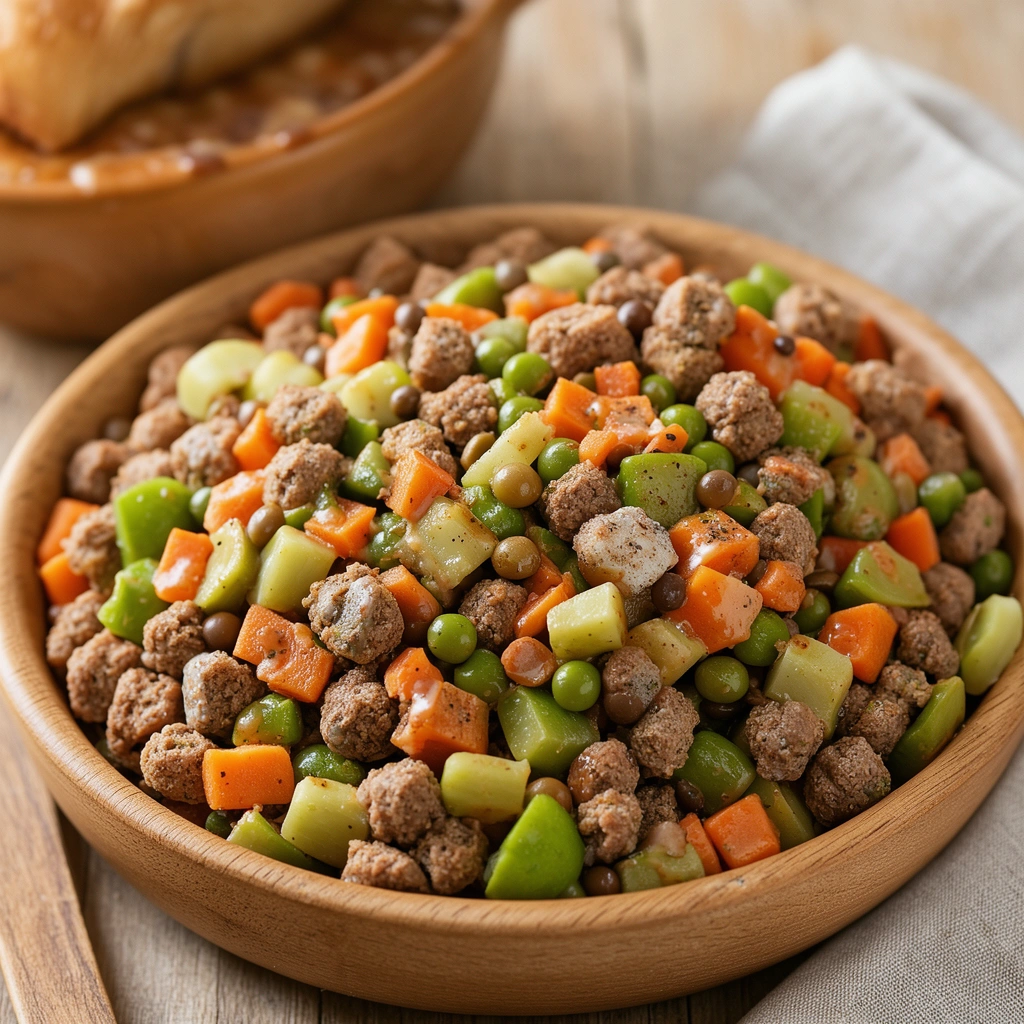
Hey friends! If you’re like me, you want the best for your furry buddy, especially when it comes to keeping them healthy and at a good weight. I’ve spent a lot of time researching and experimenting with dog nutrition, and I’m here to share some accurate, easy-to-follow info on how you can make DIY dog food that helps your dog manage their weight effectively.
So, what is the best way to prepare homemade dog food for weight management? Simply put, a balanced DIY dog food recipe for weight control contains the right mix of lean proteins, fiber-rich veggies, and controlled healthy fats, avoiding excessive calories and fillers. This helps your dog feel full, get necessary nutrients, and shed those extra pounds safely.
In this article, you’ll get practical recipes, tips on ingredients, and insights into how to tailor meals for your dog’s unique needs. Let’s dive in and make mealtime both healthy and delicious!
Why Homemade Dog Food for Weight Management Works
Making your own dog food for weight management works because you control exactly what goes into your dog’s bowl. Commercial weight-control dog foods often contain fillers, preservatives, and hidden calories that might not be ideal. With DIY recipes, you can focus on:
- Lean proteins like chicken, turkey, or fish to maintain muscle
- Vegetables that add fiber and volume without extra calories
- Complex carbs in moderation for energy without weight gain
- Healthy fats to support coat and skin health without overdoing calories
This approach helps avoid weight gain while giving your dog the nutrition they need. Plus, you can adjust recipes as your dog’s weight changes or as their preferences evolve.
Next up, I’ll share some delicious and straightforward DIY dog food recipes that help manage your dog’s weight while keeping them happy and healthy.
Understanding Your Dog’s Weight Management Needs
Before jumping into recipes, it’s important to understand why weight management matters for dogs. Overweight dogs face risks like diabetes, joint problems, and reduced lifespan. Every dog is unique, so portion sizes and ingredients should be tailored to your dog’s breed, age, activity level, and health status.
Always consult your vet before starting a new diet, especially if your dog has health issues. Tracking your dog’s weight and body condition regularly helps you adjust feeding accordingly.
Lean Turkey and Sweet Potato Bowl: The Power of Protein and Fiber
This recipe works because it combines lean protein with fiber-rich sweet potatoes, which promote fullness and steady energy release. Turkey is low in fat, making it ideal for dogs needing to lose weight.
Ingredients:
- 1 lb ground turkey (lean, 93% or higher)
- 1 large sweet potato, peeled and diced
- 1 cup green beans, chopped
- 1/2 cup carrots, diced
- 1 tablespoon olive oil (healthy fat)
Health Benefits:
- Turkey: High-quality lean protein supports muscle maintenance.
- Sweet Potato: Provides fiber and complex carbs, aiding digestion and fullness.
- Green Beans and Carrots: Low-calorie veggies packed with vitamins and antioxidants.
- Olive Oil: Supports skin and coat health with healthy fats.
Practical Tip:
Cook the turkey until fully done, steam or boil the veggies until soft, and mix all ingredients. Portion according to your dog’s size and activity level, and store leftovers in the fridge for up to three days.
This recipe suits most home styles — it’s simple and wholesome, perfect for pet owners wanting control over their dog’s nutrition.
Up next, I’ll share a recipe that’s great for dogs with sensitive stomachs but still need weight management.
White Fish and Pumpkin Mash: Gentle on the Tummy, Tough on Extra Pounds
White fish like cod or haddock is a fantastic lean protein source that’s easy to digest. Pumpkin is a natural fiber booster and can regulate digestion, making this meal ideal for sensitive or overweight dogs.
Ingredients:
- 1 lb white fish fillets (cod, haddock, or tilapia)
- 1 cup pureed pumpkin (plain, not pumpkin pie filling)
- 1/2 cup peas
- 1/2 cup zucchini, diced
- 1 teaspoon fish oil (optional for omega-3s)
Health Benefits:
- White Fish: Low-fat protein to help maintain lean muscle.
- Pumpkin: Fiber-rich, supports digestion, and provides vitamins A and C.
- Peas and Zucchini: Low-calorie veggies that add nutrients and bulk.
- Fish Oil: Boosts skin health and reduces inflammation.
Practical Tip:
Bake or steam the fish, then flake it into bite-sized pieces. Mix with cooked veggies and pumpkin puree. Introduce fish oil gradually to avoid stomach upset.
This meal is great for dogs who need a gentle yet nutritious diet that promotes weight loss without upsetting their digestion.
Quinoa and Chicken Veggie Mix: Nutrient-Packed and Filling
Quinoa is a superfood grain that’s gluten-free and packed with protein and fiber. Paired with chicken and veggies, it creates a satisfying and healthy meal that helps your dog stay lean and energized.
Ingredients:
- 1 cup cooked quinoa
- 1 lb boneless, skinless chicken breast
- 1 cup spinach, chopped
- 1/2 cup carrots, shredded
- 1 tablespoon coconut oil
Health Benefits:
- Quinoa: Complex carbs and fiber keep your dog feeling full longer.
- Chicken: Lean protein source to support muscle mass.
- Spinach: Rich in iron and antioxidants.
- Carrots: Provide beta-carotene and crunch.
- Coconut Oil: Offers medium-chain triglycerides for energy.
Practical Tip:
Cook quinoa according to package instructions. Grill or bake the chicken, then chop finely. Sauté spinach and carrots lightly in coconut oil and combine all ingredients.
This recipe fits well with both modern and traditional lifestyles, offering a nutrient-rich and tasty option for weight-conscious dogs.
Portion Control and Feeding Frequency: Key to Success
Even the best recipe won’t help if portion sizes are off. Overfeeding is the most common cause of weight gain. Here’s what you need to know:
- Measure your dog’s food using a kitchen scale or measuring cup.
- Divide daily portions into 2-3 meals to keep metabolism steady.
- Avoid table scraps and high-calorie treats.
- Use low-calorie treats like baby carrots or green beans during training.
By combining balanced recipes with proper portion control, your dog will have a better chance of reaching and maintaining a healthy weight.
Supplements and Additives That Support Weight Loss
Sometimes homemade food alone isn’t enough. Certain supplements can help:
- Glucosamine and chondroitin: Support joint health in overweight dogs.
- Omega-3 fatty acids: Reduce inflammation and improve coat.
- L-carnitine: May help with fat metabolism (consult your vet first).
Be sure to check with your veterinarian before adding supplements to your dog’s diet.
Common Mistakes to Avoid When Feeding DIY Weight Management Meals
Making your own dog food for weight management is rewarding, but beware of these pitfalls:
- Skipping the vet check: Always get a professional opinion first.
- Unbalanced meals: Dogs need protein, fat, and carbs in the right proportions.
- Ignoring treats: These add up and can sabotage weight loss.
- Not monitoring progress: Regular weigh-ins and body condition checks are essential.
Avoiding these mistakes ensures your dog stays healthy and happy on their weight management journey.
Transitioning Your Dog to Homemade Weight Management Food
Switching from commercial kibble to homemade meals requires patience:
- Start by mixing 25% homemade with 75% current food.
- Gradually increase homemade proportion over 7-10 days.
- Watch for digestive upset and adjust ingredients if needed.
- Maintain consistent feeding times to avoid begging or overeating.
With care, your dog will adapt smoothly to the new diet.
DIY Dog Food for Weight Management: Final Thoughts
Crafting homemade dog food for weight management gives you full control over your pet’s nutrition, helping to keep their weight in check and supporting overall health. By focusing on lean proteins, fiber-rich vegetables, and healthy fats, you can create meals that satisfy your dog’s appetite without excess calories. Remember, portion control, consistency, and vet guidance are keys to success.
Try the recipes shared here, adjust them to your dog’s tastes and needs, and watch your furry friend thrive with a healthy weight and happy belly!
Thanks for sticking with me through this guide on DIY dog food for weight management. Now you’re equipped to make smart, nutritious meals that support your dog’s health and happiness. Here’s to a fitter, happier pup!