
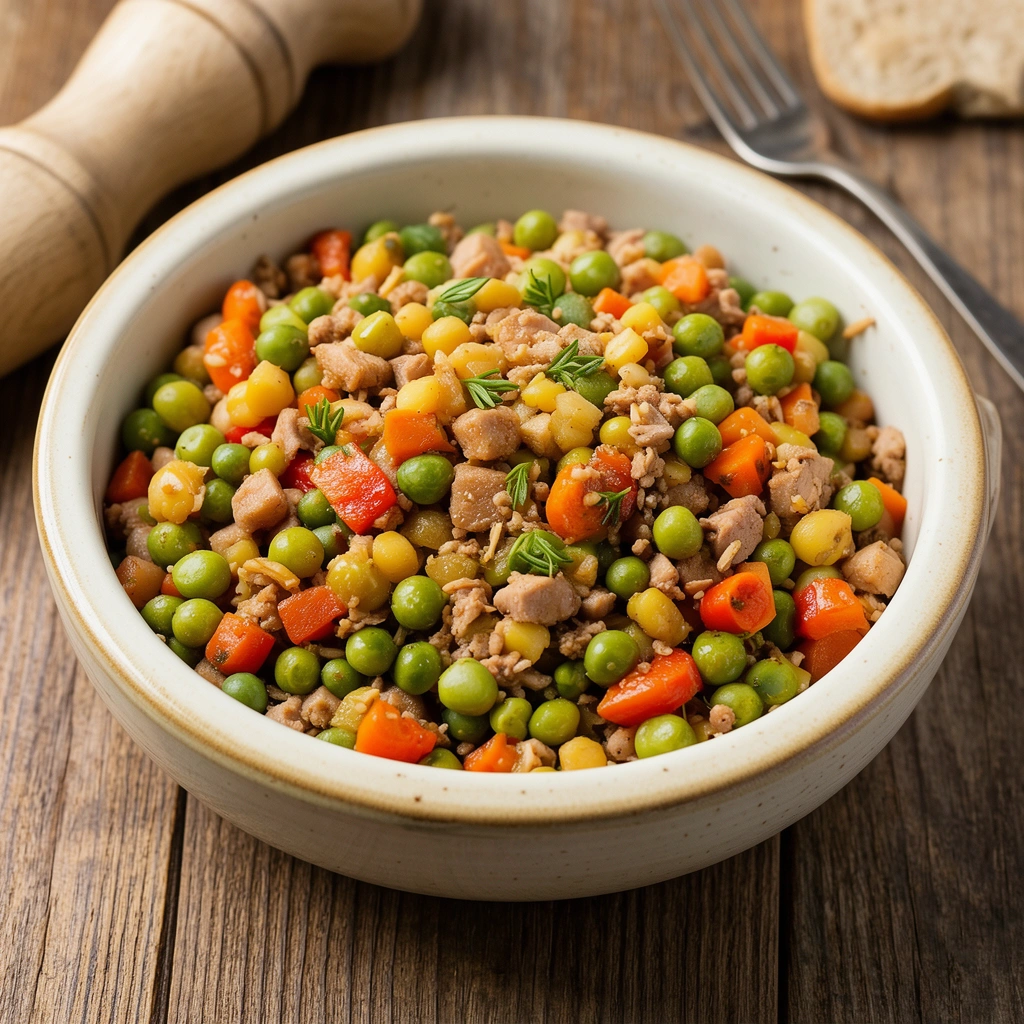
Hey there, fellow dog lovers! If you’re anything like me, you want the best for your furry friend, especially when it comes to their diet. I’ve spent hours researching and testing recipes to bring you the most accurate, reliable, and easy-to-make low-fat homemade dog food ideas. Whether your dog needs to shed a few pounds, or just maintain a healthy weight, you’re in the right place.
So, what exactly is low-fat homemade dog food? Simply put, it’s dog food prepared at home with ingredients carefully selected to be low in fat yet nutritious enough to keep your dog healthy and happy. Low-fat diets are often recommended for dogs with weight issues, pancreatitis, or certain health conditions. These recipes balance protein, fiber, and essential nutrients without overloading on fat.
If you’re curious about how to make tasty, low-fat meals your dog will love, keep reading. I’ll share practical tips, ingredient insights, and step-by-step recipes designed for all kinds of pups. Let’s get cooking!
What Is Low Fat Homemade Dog Food?
Low fat homemade dog food refers to meals prepared at home using ingredients that contain minimal fat content while providing balanced nutrition for dogs. These foods help manage weight, support digestion, and reduce stress on organs like the pancreas. Unlike commercial low-fat dog foods, homemade recipes allow you to control exactly what goes into your dog’s bowl—no fillers, artificial additives, or mystery ingredients.
Using simple, wholesome ingredients such as lean meats, certain vegetables, and grains, you can create meals that are gentle on your dog’s system but packed with flavor and nutrients. It’s not just about cutting fat; it’s about optimizing your dog’s overall health through smart food choices.
Why Choose Low Fat Homemade Dog Food?
Feeding your dog low-fat homemade food can be a game changer, especially if your dog is overweight or has health issues like pancreatitis or diabetes. Low-fat diets:
- Help regulate weight by reducing excess calories from fat
- Support healthy digestion and reduce gastrointestinal upset
- Decrease the risk of heart disease and certain cancers
- Improve energy levels and overall vitality
Plus, homemade meals let you avoid preservatives, excessive salt, and fillers common in commercial dog foods. You get peace of mind knowing exactly what your dog is eating, and you can tailor recipes to your dog’s preferences and dietary needs.
Understanding Ingredients for Low Fat Dog Food
Before diving into recipes, let’s talk about the key ingredients that make low-fat homemade dog food both healthy and delicious.
Lean Proteins: Chicken breast, turkey, white fish, and lean cuts of beef or lamb provide essential amino acids without adding excess fat.
Complex Carbohydrates: Brown rice, quinoa, barley, and sweet potatoes offer sustained energy and fiber.
Vegetables: Carrots, green beans, zucchini, and pumpkin add fiber, vitamins, and antioxidants with minimal calories.
Healthy Fats: Even low-fat diets need some fats for skin and coat health—think omega-3 rich sources like flaxseed oil or fish oil in small amounts.
Supplements: Calcium (from ground eggshells or bone meal), vitamins, and minerals should be included to ensure nutritional completeness.
How to Prepare Low Fat Dog Food Safely
When making homemade dog food, safety is key. Always:
- Use fresh, high-quality ingredients
- Avoid seasonings, onions, garlic, and toxic foods like grapes or chocolate
- Cook proteins thoroughly to eliminate bacteria
- Balance meals with appropriate amounts of protein, carbs, and fats
- Consult your vet before making major diet changes or if your dog has medical conditions
Recipe 1: Lean Turkey and Veggie Delight
This recipe is a classic low-fat meal that works well for dogs needing weight control without sacrificing taste.
Why it works: Turkey breast is lean and rich in protein, which supports muscle maintenance while being low in fat. Combined with fiber-rich vegetables, this meal promotes fullness and healthy digestion.
Ingredients:
- 1 lb ground turkey breast (skinless)
- 1 cup cooked brown rice
- 1 cup steamed green beans
- 1/2 cup shredded carrots
- 1 tbsp flaxseed oil (optional)
- Calcium supplement (consult your vet for dosage)
Health Benefits:
- High protein for muscle preservation
- Fiber promotes digestion and satiety
- Low in fat to maintain healthy weight
Practical Tip: Cook turkey thoroughly and drain excess fat. Steam vegetables lightly to retain nutrients. Mix all ingredients and serve in appropriate portions based on your dog’s size.
This recipe suits various dog breeds and works well for dogs on weight management plans.
Recipe 2: White Fish and Sweet Potato Mash
Perfect for dogs with sensitive stomachs or pancreatitis, this low-fat recipe is gentle yet nourishing.
Why it works: White fish like cod or haddock is low in fat and easy to digest. Sweet potatoes provide complex carbs and beta-carotene, supporting immune function.
Ingredients:
- 1 lb white fish fillets (skin removed)
- 1 cup mashed cooked sweet potatoes
- 1/2 cup steamed zucchini
- 1 tbsp fish oil (for omega-3)
- Calcium supplement
Health Benefits:
- Easily digestible protein source
- Anti-inflammatory omega-3 fats
- Fiber-rich veggies aid digestion
Practical Tip: Bake or steam fish; avoid frying. Mash sweet potatoes thoroughly for easier digestion. Add fish oil right before serving to preserve nutrients.
This meal is ideal for older dogs or those recovering from illness.
Recipe 3: Chicken and Quinoa Power Bowl
A nutrient-dense, low-fat option that’s highly palatable and packed with antioxidants.
Why it works: Skinless chicken breast is lean and rich in protein, while quinoa offers a complete plant-based protein with fiber. Carrots and peas add vitamins and antioxidants.
Ingredients:
- 1 lb skinless chicken breast (cubed)
- 1 cup cooked quinoa
- 1/2 cup steamed carrots
- 1/2 cup peas
- 1 tsp olive oil (optional)
- Calcium supplement
Health Benefits:
- Lean protein supports muscle growth
- Quinoa provides essential amino acids and fiber
- Vegetables boost immune health
Practical Tip: Sauté chicken without oil or with a small amount of olive oil. Cook quinoa according to package instructions. Combine and cool before serving.
This recipe fits well with dogs needing balanced nutrition with controlled fat intake.
Recipe 4: Beef and Pumpkin Stew
For dogs who enjoy red meat but need a low-fat alternative, this stew balances flavor and health.
Why it works: Lean beef cuts provide iron and protein without excess fat. Pumpkin is excellent for digestive health and low in calories.
Ingredients:
- 1 lb lean ground beef
- 1 cup canned pure pumpkin (no additives)
- 1 cup cooked barley
- 1/2 cup steamed green beans
- Calcium supplement
Health Benefits:
- Iron-rich protein for energy
- Pumpkin soothes digestive tract
- Barley adds fiber and slow-release energy
Practical Tip: Drain fat after cooking beef. Use pure pumpkin, not pumpkin pie filling. Mix all ingredients and serve at room temperature.
This stew suits dogs with moderate activity levels and supports digestive health.
Recipe 5: Turkey and Vegetable Medley with Brown Rice
A versatile and easy-to-make recipe that’s low in fat but high in nutrients.
Why it works: Ground turkey provides lean protein. Brown rice is a great source of energy and fiber. Mixed vegetables deliver vitamins and minerals.
Ingredients:
- 1 lb ground turkey breast
- 1 cup cooked brown rice
- 1/2 cup carrots
- 1/2 cup peas
- 1/2 cup green beans
- 1 tbsp flaxseed oil
- Calcium supplement
Health Benefits:
- Supports lean muscle mass
- Promotes healthy digestion
- Low in fat and calories
Practical Tip: Cook turkey and drain fat well. Lightly steam vegetables to make them easier to digest. Combine and serve according to your dog’s portion size.
Great for everyday feeding and suitable for most breeds.
Important Tips for Feeding Low Fat Homemade Dog Food
When switching to or supplementing with low fat homemade dog food, keep these tips in mind:
- Portion control: Even low-fat foods can cause weight gain if served in excess.
- Hydration: Always provide fresh water since homemade meals can be less hydrating than wet commercial foods.
- Variety: Rotate recipes to provide a broad range of nutrients.
- Vet check-ups: Regularly monitor your dog’s weight and health with your vet.
- Supplements: Ensure you’re adding any necessary vitamins, minerals, or fatty acids your dog may need.
Addressing Common Questions About Low Fat Homemade Dog Food
Q: Can I use lean pork or other meats?
A: Yes, lean cuts of pork can be included but avoid fatty parts. Always remove skin and visible fat.
Q: What about grains or grain-free options?
A: Grains like brown rice and quinoa are excellent low-fat carbs. Grain-free diets can work but consult your vet, especially if your dog has allergies.
Q: How often should I feed homemade meals?
A: Typically once or twice daily, depending on your dog’s size and activity level.
Summary: Why Low Fat Homemade Dog Food Is Worth Trying
Making low fat homemade dog food is a rewarding way to provide your dog with wholesome nutrition tailored to their health needs. The recipes shared offer lean proteins, fiber-rich carbs, and essential nutrients without excess fat, promoting weight management and overall wellness. Plus, cooking at home lets you control every ingredient and avoid unnecessary additives.
If you want a healthier, happier pup, low-fat homemade meals are a fantastic place to start. Give these recipes a try, tweak them to your dog’s tastes, and watch your furry friend thrive on a delicious, nutritious diet. Remember, the keyword here is “low fat homemade dog food”—and now you’re fully equipped to make it happen!